
Seasonal grounding, or earthing, is about connecting with the Earth’s energy in ways that align with each season. It can reduce inflammation, improve mood, and even lower anxiety by 40%. Each season offers unique ways to practice grounding:
- Spring: Walk barefoot on dewy grass or garden with your hands in the soil.
- Summer: Swim in natural waters or walk barefoot on warm sand.
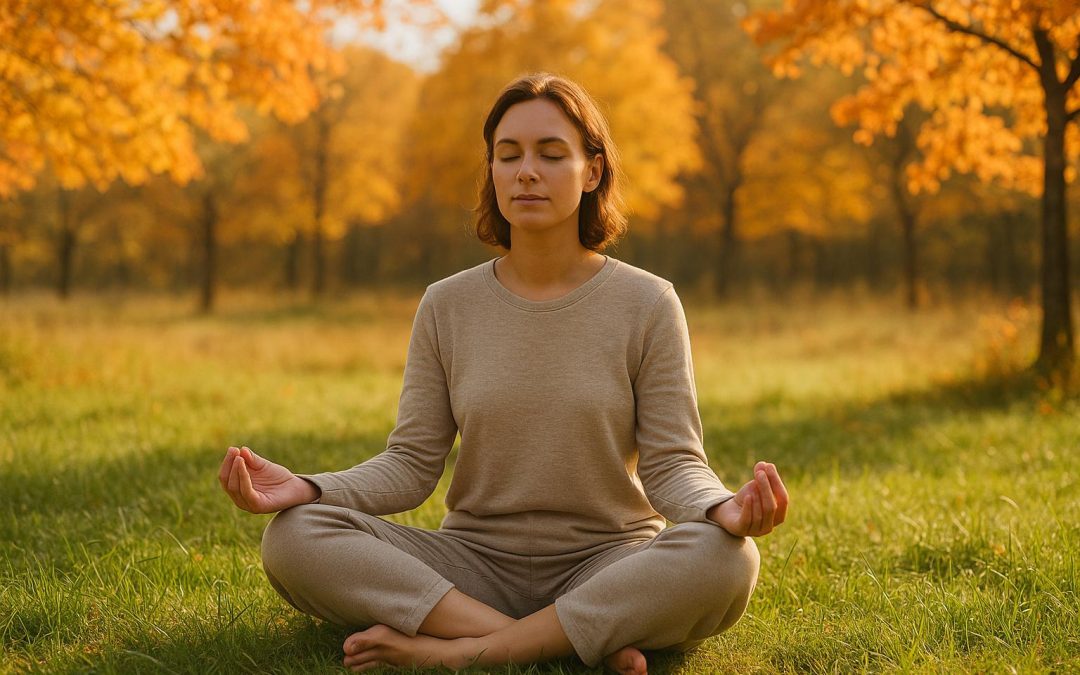
- Fall: Walk on fallen leaves or meditate under trees.
- Winter: Briefly touch snow barefoot or use indoor grounding tools.
Even in urban areas, grounding is possible with small changes like using grounding mats or finding parks. The key is consistency – just 10–20 minutes daily can improve your well-being year-round.
Grounding Exercise for Anxiety and Changing Seasons | Fall Mindfulness Ritual | Ziva Meditation

Spring Grounding Practices
Spring offers a perfect opportunity to reconnect with nature. With its mild temperatures and blossoming landscapes, the season invites simple practices that help you feel more connected to the Earth and its rhythms. Here are a few ways to embrace spring’s energy and ground yourself.
Walking Barefoot on Grass or Soil
Spring mornings, with their fresh, dewy grass, provide an easy way to connect with nature. Walking barefoot not only grounds you to the Earth’s charge but has been linked to reduced inflammation and increased serotonin levels.
Research from the University of Essex highlights that just five minutes of "green exercise", like a walk in nature, can significantly lower stress and anxiety. Another study found that regular barefoot walking can enhance cognition and decrease stress in teenagers.
If you’re new to barefoot walks, start slowly to let your muscles adapt to the uneven terrain. Stick to safe, level surfaces to minimize the risk of injury. Over time, this practice can improve your natural walking patterns, strengthen lower-body muscles, enhance balance, and increase ankle flexibility.
For a peaceful experience, step out early in the morning when the grass is still wet with dew. Take in the crisp spring air and feel the Earth’s energy beneath your feet.
Gardening and Hands-On Earth Contact
Gardening in spring offers a grounding experience as you work directly with the soil. It’s a hands-on way to sync with the season’s renewal.
Begin by clearing away winter debris to prepare for new growth. Adding compost to your garden not only enriches the soil but also gives you more opportunities to physically connect with the Earth.
"Taking time in spring to build fertility and loosen soil will set you up for a more productive year." – Barbara Pleasant, Contributing Editor, Mother Earth News
The physical acts of digging, planting, and weeding provide multiple grounding moments. Dividing overgrown perennials or spreading mulch not only benefits your plants but also keeps you engaged with natural materials. Beyond the physical benefits, gardening can be emotionally grounding, as it connects you to the nurturing process of watching life grow.
"Crafting balance in your garden is just as important as balancing flavors in a well-crafted dish… take the time to get outside, connect with nature, and grow your own food – it’s one way to bring joy into your life." – Maggie Keith, The Farmer and The Foodie
Hiking and Observing Seasonal Changes
Hiking in spring combines the grounding benefits of natural movement with the joy of witnessing the season’s transformations. Trails with varied terrain – like forest paths, rocky sections, or stream crossings – offer diverse grounding experiences.
The cool spring air is perfect for mindful breathing, helping to release built-up tension. As you hike, pause to observe blooming wildflowers, budding trees, and the subtle changes in the landscape. This mindful attention deepens your connection to the season.
For an added layer of grounding, consider incorporating short barefoot sections on safe, natural surfaces. The combination of movement and observation creates a meditative experience that benefits both body and mind.
These spring practices not only connect you to the present moment but also set the stage for grounding techniques you can carry into the rest of the year.
Summer Grounding Practices
Summer’s long, sunlit days and naturally warm surfaces make it an ideal season for grounding. The combination of warm ground and increased vitamin D from sunlight enhances the benefits of grounding, promoting better mood and reducing inflammation. Walking barefoot on soft sand or lush grass is a simple way to take advantage of these benefits.
Swimming in Natural Bodies of Water
Taking a dip in lakes, rivers, or oceans is another effective way to ground yourself. Water acts as a natural conduit, transferring electrons from the Earth to your body. Saltwater, in particular, is highly conductive, making ocean swims especially beneficial.
Beyond the physical perks, swimming in natural waters helps lower stress and improve mental health. Research shows that 1.4 million adults credit swimming with significantly reducing symptoms of anxiety and depression. If you’re near the ocean, walking barefoot along the shoreline combines the grounding effects of seawater and sand for a powerful experience. Just be sure to check water quality and safety conditions before diving in.
For those who prefer to stay on land, walking barefoot on warm sand can continue the grounding benefits summer offers.
Barefoot Walks on Sand or Warm Earth
The warm, inviting surfaces of summer are perfect for barefoot walks. Moist sand, especially, enhances conductivity, allowing your body to absorb more electrons. This simple practice not only connects you to the Earth but also strengthens your feet and ankles, improves circulation, and promotes better sleep while reducing stress hormones.
Timing matters, too. Early mornings or late afternoons, when the temperatures are cooler and the light is softer, are the best times for a peaceful beach walk. Aim for 5–20 minutes daily, focusing on proper foot placement – heel, ball, and toes – to maintain good form. Walking mindfully, fully aware of your surroundings and the sensations underfoot, can also help clear your mind.
Forest Bathing and Outdoor Meditation
Summer’s greenery provides the perfect backdrop for forest bathing and outdoor meditation. Shaded forests offer a cool escape from the heat while keeping you connected to nature. The forest floor, with its rich mix of soil and organic matter, is excellent for grounding.
Find a quiet spot under the trees where you can sit or lie directly on the ground. Spending just 15 minutes a day in this environment can help recharge your energy and combat the fatigue that sometimes accompanies hot weather.
"Grounding has changed my health and wellbeing in ways I could have never imagined… Grounding or ‘earthing’ has been around for decades and used in many cultures around the world." – Shari Gallup, Assistant Professor, Family and Consumer Sciences, OSU Extension, Licking County
Incorporating grounding into your outdoor workouts can enhance energy levels and reduce the risk of injury. After activity, grounding can also speed up muscle recovery. The combination of warm summer air and the cool shade of trees makes outdoor meditation even more enjoyable.
For inspiration, consider places like the Elohee Retreat Center in North Georgia, where serene landscapes showcase summer’s grounding potential. By weaving these grounding techniques into your summer routine, you’ll be better prepared to adapt them to any season.
Fall Grounding Practices
The crisp air and shifting colors of fall create the perfect backdrop for grounding practices that engage your senses. As the season transitions, grounding in autumn focuses on tactile experiences and connecting with nature’s transformed elements.
Walking Barefoot on Fallen Leaves
Autumn’s signature carpet of fallen leaves provides an ideal surface for barefoot exploration. Walking barefoot on these leaves offers a sensory experience unlike any other, as enthusiast Unci Narynin highlights. The mix of textures – crunchy oak leaves, soft maple leaves, and the coolness of damp soil – awakens your senses in ways that shoes simply can’t.
This direct contact with the earth activates your parasympathetic nervous system, helping to reduce stress and inflammation. The key is to move slowly and mindfully, letting each step deepen your connection to the natural world.
Meditating Under Trees
Fall’s vibrant trees offer a peaceful setting for grounding meditation. Sitting or leaning against a tree trunk connects you directly to the earth, while the changing leaves above inspire thoughts of transformation and letting go.
Naturalist John Muir once wrote, "Nature’s peace will flow into you as sunshine flows into trees. The winds will blow their own freshness into you, and the storms their energy, while cares will drop off like autumn leaves". To enhance your meditation, try incorporating a seasonal mantra like “I let go and embrace change” to align your inner rhythm with fall’s energy.
Using Natural Materials for Tactile Grounding
Fall brings an abundance of natural treasures – acorns, colorful leaves, smooth stones, and seed pods – all of which are perfect for tactile grounding. These items can act as touchstones, creating a bridge between the external world and your inner self.
Gather some of these natural elements during a walk and use them indoors to maintain your connection to nature. As Gunilla Norris beautifully puts it, "A little stone grows warm in our hands. The moisture from our skin makes it glisten, just as any loving touch makes what is touched glisten with life. We hold it in prayer like an anchor, to keep our thoughts from drifting away".
You can also bring fall’s essence into your home by creating an autumn altar. Arrange your collected items alongside candles or other seasonal accents to serve as a daily reminder of the season’s grounding energy. For an outdoor practice, consider crafting a spiral labyrinth from fallen leaves in your yard. Walking it mindfully can help you connect with the shifting landscape and anchor yourself to the Earth. These grounding rituals prepare the way for winter, when indoor and natural elements come together in harmony.
sbb-itb-77c7b55
Winter Grounding Practices
Winter brings unique challenges and opportunities for grounding. Adjusting your approach during colder months can help you safely maintain a connection with the earth, even amid snow and freezing temperatures.
Short Barefoot Exposure to Snow or Cold Earth
Even in winter, brief barefoot contact with the earth can be a powerful grounding practice. On warmer winter days, spend 3–5 minutes outdoors barefoot or place your hands directly on the ground, even if it’s covered in snow. Do this 1–2 times daily, but always be cautious of cold-related injuries. Watch for signs like numbness, tingling, or color changes in your skin. If frostbite occurs, avoid rubbing the affected area and warm it gradually in lukewarm water – not hot water. Always have a warm indoor space ready for retreat after your session to ensure safety and comfort.
When outdoor grounding isn’t feasible, you can shift your focus to indoor methods.
Indoor Grounding with Natural Materials
If the weather prevents outdoor grounding, you can create a grounding environment indoors using natural materials. Grounding mats connected to a grounded outlet or a grounding rod are a great option. Walking barefoot on wood floors – such as hardwood, bamboo, or other natural wood surfaces – can also provide a subtle connection to the earth. Incorporating natural materials like wood, stone, bamboo, or rattan into your furniture or decor further enhances this connection.
Wearing clothing made from natural fibers, like cotton, can also help, as synthetic fabrics often generate static electricity. Additionally, maintaining indoor humidity levels between 40% and 60% can improve conductivity, making your grounding practices more effective. For example, visitors to the Elohee Retreat Center in North Georgia can experience these principles firsthand in indoor spaces designed to encourage a deeper connection to nature.
Combining Warm Therapies with Grounding
Pairing warmth with grounding can make winter practices more enjoyable and effective. If you have access, combining sauna therapy with a cold plunge in a river or lake offers both contrast therapy and grounding benefits. At home, grounding sheets can be paired with electric blankets for a cozy and effective practice. To minimize electromagnetic interference, ensure your skin has direct contact with the grounding sheet, and place the electric blanket above – not directly on – the sheet. Keep the blanket on a low setting to further reduce potential interference.
Heated mattress pads are another option that pairs well with grounding sheets. While the mattress pad provides warmth, the grounding sheet restores your connection to the earth’s electrical energy. This combination allows you to stay warm and grounded, even on the coldest winter nights.
Adapting Grounding Techniques to Your Environment
Grounding can be tailored to fit any setting, whether you’re in the heart of a bustling city or surrounded by quiet rural landscapes.
Grounding in Urban Environments
City life might seem like a challenge for grounding, but with some creativity, you can still connect with nature, even amidst skyscrapers and concrete.
Finding Natural Spaces in the City
Urban areas often have hidden pockets of nature. Local parks are great places to walk barefoot on the grass, even if just for a few minutes during a lunch break. Community gardens can also provide a peaceful spot to connect with the earth, and features like fountains or small ponds in city parks can enhance the experience.
Indoor Urban Solutions
When outdoor access is limited, you can bring grounding indoors. Grounding mats or earthing sheets are excellent tools to simulate the connection to the earth. If you have a balcony, consider setting up a small container garden or even a patch of grass to create a personal grounding space.
Workplace Grounding Strategies
At work, try slipping off your shoes for a quick grounding session. If your office has an outdoor area, such as a courtyard, use it for short barefoot breaks. For those working from home, set up a dedicated indoor space with grounding accessories to make it part of your routine.
Building Community Connections
Connecting with others can make grounding more enjoyable. Join or start a local group focused on earthing practices. Fellow city residents might introduce you to rooftop gardens or lesser-known parks that are perfect for grounding.
These strategies make it easier to maintain a consistent grounding habit, even in the busiest urban environments.
Staying Consistent Year-Round
Grounding practices need to adapt to the seasons and weather conditions. With a little planning, you can keep your routine going no matter the time of year.
Weather-Smart Planning
Check weather apps to find the best times for outdoor grounding. On especially hot days, stick to early mornings or evenings when surfaces are cooler. In winter, take advantage of milder days for brief outdoor sessions, even if there’s snow on the ground. When the weather doesn’t cooperate, indoor alternatives like grounding mats are a reliable backup.
Flexible Routines and Seasonal Adjustments
Incorporate grounding into your daily habits. For instance, start your morning with 5–10 minutes of grounding – whether outside on grass or indoors with a mat. Use lunch breaks for quick outdoor sessions in nearby parks. In hot climates, aim for shaded areas and cooler times of the day, while in colder regions, pair short outdoor sessions with indoor grounding to stay connected.
Tools for Every Season
When going barefoot isn’t practical, earthing shoes can help you maintain conductivity while protecting your feet. Keeping grounding mats in key areas like your bedroom or office ensures you’re always prepared to connect with the earth.
Rural and Suburban Perks
If you live in a suburban or rural area, you likely have more natural grounding opportunities. Take advantage of your yard, garden, or nearby natural spaces to walk barefoot on grass or soil, or even just enjoy the sensory experience of being outdoors. For example, places like Elohee Retreat Center (https://elohee.org) provide peaceful environments ideal for grounding. Even in these settings, indoor options or sheltered outdoor spots can be useful for bad weather days.
Conclusion: Year-Round Seasonal Grounding
Grounding connects you to the earth’s natural energy no matter the season, offering benefits like improved mood, increased energy, and even a 14.3% reduction in systolic blood pressure with just an hour a day.
Each season provides its own way to experience grounding – spring’s soft grass, summer’s refreshing lakes, autumn’s crisp leaves, or winter’s snowy landscapes. When stepping outside isn’t an option, indoor tools like grounding mats can help maintain that connection throughout the year.
Places like Elohee Retreat Center in North Georgia, with its 220 acres of diverse natural terrain, offer an immersive grounding experience by letting you explore various natural surfaces in one setting.
The key to grounding lies in consistency rather than perfection. Even 10–20 minutes a day can make a noticeable difference. Whether you’re starting small or adapting to the changing seasons, every moment spent connecting to the earth helps reduce inflammation, improve sleep, and boost overall well-being. By weaving grounding into your daily life, you can enjoy nature’s energy all year long.
FAQs
What are some effective grounding techniques for people living in cities with limited access to nature?
If you live in a city where access to nature feels limited, don’t worry – there are still plenty of ways to practice grounding. For instance, try walking barefoot on the grass or soil in a nearby park or community garden. Even a small patch of natural ground can help you feel more connected to the earth.
You can also create your own little oasis. A balcony garden with plants or spending time along riverside paths surrounded by natural elements can make a big difference. If you’re staying indoors, grounding mats are an option, or you can simply sit by an open window to enjoy the sunlight and breeze. These small changes can help bring a sense of peace and connection to nature, even in the busiest urban settings.
How can I safely practice grounding during winter, especially in snowy or cold conditions?
To practice grounding safely during winter, staying warm is key. Bundle up with insulated gear like hats, gloves, coats, and boots to protect yourself from the cold. If you’re venturing outdoors, keep your time in direct contact with snow or icy surfaces short to avoid frostbite or other cold-related risks.
When outdoor grounding isn’t an option due to extreme weather, indoor alternatives can help. Standing barefoot on unsealed concrete floors or using grounding socks or gloves can replicate the grounding effect. If temperatures are above freezing, brief contact with snow or water might work, but always listen to your body and prioritize staying comfortable and safe.
Grounding in winter can be a refreshing way to stay connected with nature – just remember to put warmth and safety first.
Are outdoor grounding practices more effective than using grounding mats or indoor tools?
Outdoor grounding, such as walking barefoot on grass or soil, is often seen as more impactful because it combines direct contact with the earth and the added perks of being outside. Think about it: you’re not just connecting with the ground; you’re also soaking up sunlight, breathing in fresh air, and taking in the calming sights and sounds of nature. Together, these elements create a rich sensory experience that can amplify the grounding benefits.
On the other hand, grounding mats and indoor tools can still be effective for reducing stress, easing inflammation, and improving sleep. However, they lack the natural environment’s extra layers of benefits. These tools are a convenient option, especially for those who don’t have easy access to outdoor spaces or during harsh weather. While both approaches contribute to overall well-being, outdoor grounding often offers a deeper, more immersive connection to the natural world.
Recent Comments