
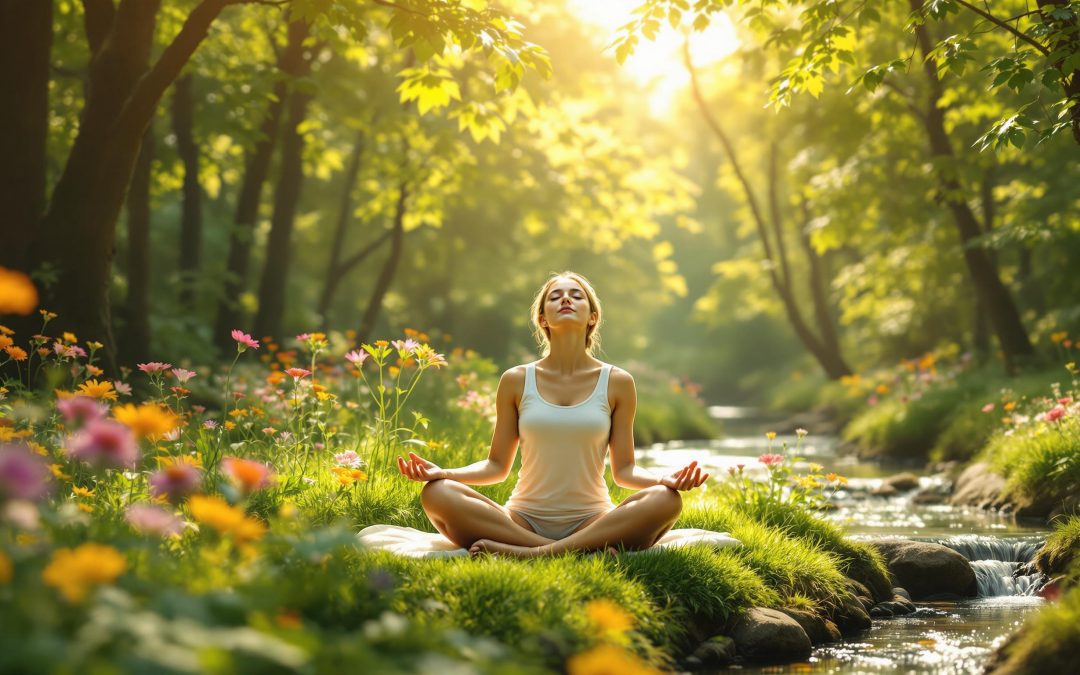
Feeling anxious about an upcoming retreat? You’re not alone. Retreat anxiety can surface as overthinking, unease about meeting new people, or worrying about leaving responsibilities behind. Here are 5 natural ways to ease your nerves and prepare for a calm, rejuvenating experience:
- Grounding Techniques: Walk barefoot on natural surfaces or use the 5-4-3-2-1 awareness method to connect with your senses.
- Mindfulness Practices: Try forest bathing or nature-based meditation to stay present and reduce stress.
- Breathing Exercises: Use deep belly breathing or the 4-7-8 method to activate your body’s relaxation response.
- Natural Remedies: Drink chamomile tea or use lavender essential oil for gentle anxiety relief.
- Time in Nature: Spend at least 120 minutes outdoors weekly with activities like nature walks or journaling in a serene environment.
These steps can help transform anxiety into excitement, setting the stage for personal growth and relaxation. Start small, build a daily routine, and enjoy the benefits of these natural approaches.
Relieve Stress and Anxiety with This Energy Grounding …
1. Simple Grounding Methods
Grounding techniques can help calm pre-retreat nerves by focusing your attention on the present moment and connecting with nature. These methods work by engaging your senses and making physical contact with the earth.
Barefoot Nature Connection
Earthing, or walking barefoot on natural surfaces, can help reduce anxiety, improve sleep patterns, and influence cortisol levels – your body’s main stress hormone.
Here’s how to try earthing:
- Find a natural surface like grass, soil, or sand.
- Take off your shoes and socks.
- Stand, walk, or sit with your bare feet touching the ground.
- Aim for 20–30 minutes of contact each day.
For a deeper connection, sit down and place your palms on the ground to increase your contact area. If you have a garden, spending time working with the soil can offer similar benefits, as soil provides a natural source of electrons.
5-Sense Awareness Practice
Once you’ve connected physically with the earth, you can ground yourself further by using all of your senses. The 5-4-3-2-1 technique is a simple way to stay present when anxiety starts to rise.
Begin with the 5-5-5 breathing method: inhale for 5 seconds, hold for 5 seconds, and exhale for 5 seconds. Then, engage your senses with these steps:
| Sense | Action | Example Focus Points |
|---|---|---|
| Sight | Notice 5 things | Patterns on tree bark, cloud shapes, leaves moving |
| Touch | Feel 4 things | Grass underfoot, wind on your skin, tree bark |
| Sound | Listen for 3 things | Birdsong, rustling leaves, a nearby stream |
| Smell | Identify 2 things | Fresh earth, pine needles, blooming flowers |
| Taste | Notice 1 thing | Fresh air, a mint leaf, or morning dew |
Use these techniques whenever you feel anxiety building, focusing your attention completely on the present moment.
2. Daily Mindfulness Steps
Once you’ve grounded your body, turn your attention inward with mindfulness exercises you can practice daily.
Incorporating mindfulness into your routine helps ease pre-retreat jitters and strengthens your sense of inner calm. Studies suggest that consistent mindfulness can lower stress levels, making it a helpful tool for preparing your mind before a retreat.
Forest Bathing Basics
Forest bathing, also known as shinrin-yoku, is about fully immersing yourself in nature while engaging all your senses.
Here’s how to get started:
- Pick a quiet, tree-filled spot in nature.
- Walk slowly and allow yourself to fully take in your surroundings.
- Pay attention to your senses – what you see, hear, smell, and feel.
- Stop occasionally to notice small details, like the pattern of tree bark or the way sunlight filters through the leaves.
- Breathe deeply and stay present, whether you’re moving or standing still.
The goal is to slow down enough to notice the small, calming details of the natural world around you.
Nature-Based Meditation
Nature-based meditation combines mindfulness techniques with the soothing elements of the outdoors. This practice can help you feel more grounded and reduce any pre-retreat stress.
Here’s a simple way to connect with nature during meditation:
- Earth: Sit on the ground and feel its steady, grounding energy.
- Water: Listen to the soothing sounds of a stream, rain, or waves.
- Air: Notice the gentle touch of a breeze on your skin.
- Trees: Observe the quiet strength and stillness of nearby trees.
If heading outdoors isn’t an option, bring nature inside with houseplants or small water features to create a calming environment.
sbb-itb-77c7b55
3. Stress-Relief Breathing
Once you’ve established grounding and mindfulness practices, controlled breathing can be another effective way to ease stress during your retreat. These techniques help activate your body’s relaxation response, reducing anxiety and promoting a sense of calm.
Deep Belly Breathing
Also known as diaphragmatic breathing, this method helps engage your parasympathetic nervous system, which moves your body from a state of stress to one of relaxation.
Here’s how to do it:
-
Get Comfortable
Sit upright or lie down. Place one hand on your belly and the other on your chest. -
Breathe Properly
Inhale deeply through your nose, focusing on expanding your belly instead of your chest. You’ll notice your lower hand rising while the upper hand stays still. Hold your breath briefly, then exhale slowly through your mouth while gently contracting your abdomen.
Studies show this type of breathing can lower cortisol levels, the hormone linked to stress.
"Breathing is a remote control for the brain."
4-7-8 Breath Method
This structured breathing technique can be especially helpful when retreat planning feels overwhelming.
Follow these steps:
-
Position Yourself
Rest your tongue against the ridge behind your upper front teeth. -
Start the Cycle
- Exhale completely through your mouth, making a whooshing sound.
- Inhale quietly through your nose for a count of 4.
- Hold your breath for a count of 7.
- Exhale through your mouth for a count of 8, again making a whooshing sound.
Repeat this cycle four times. If holding your breath feels challenging, adjust by speeding up the count while keeping the 4:7:8 ratio intact.
"Including breath work into your daily routine can lower stress and improve overall health." – DrWeil.com
Try practicing these methods for 2 to 5 minutes each day, or whenever you feel tension creeping in during your retreat.
4. Natural Anxiety Relief
Pair your breathwork exercises with natural remedies to help ease pre-retreat anxiety. These remedies can provide gentle support as you prepare for your retreat. However, always check with your healthcare provider before starting any new supplements, especially if you’re on medication.
Chamomile Tea Benefits
Chamomile tea is known to help calm nerves by interacting with neurotransmitters linked to relaxation. Research published in the Journal of Clinical Psychopharmacology found that chamomile extract was associated with noticeable reductions in anxiety symptoms.
To prepare: steep one chamomile tea bag in 1 cup of boiling water for 5–10 minutes. Drink 2–3 cups daily in the days leading up to your retreat.
"This systematic review showed that chamomile potentially has an anxiolytic effect. In addition, due to the side effects of drugs used to treat anxiety disorders, the use of chamomile seems to be effective and less dangerous."
- Sogand Saadatmand, Foad Zohroudi, and Hadith Tangestani
Another study from 2022, focusing on postmenopausal women, revealed that drinking chamomile tea daily for two weeks might help ease anxiety symptoms. Be aware, though, that chamomile can cause allergic reactions in people sensitive to ragweed and related plants.
Lavender for Stress Relief
Lavender is another natural option for reducing anxiety and stress without causing drowsiness. Its essential oil works by influencing the parasympathetic nervous system, which plays a major role in stress management.
Ways to use lavender:
- Aromatherapy: Inhale lavender oil for 10 minutes daily, add 3 drops to a diffuser every 8 hours, or apply diluted oil to your pulse points.
- Baths: Mix 2–3 drops of lavender essential oil into warm bath water and soak for 15–20 minutes while practicing deep breathing.
When purchasing lavender products, look for labels that specify "lavender essential oil." Studies suggest that taking 80 mg of high-quality, undiluted lavender oil daily may effectively reduce anxiety symptoms.
Safety Note: Lavender is generally considered safe by the FDA, but some individuals may experience mild side effects like nausea. If you’re new to essential oils, start with a small amount to check for sensitivity.
5. Nature Time for Mental Health
According to the EPA, Americans spend up to 93% of their time indoors, which can contribute to feelings of anxiety before a retreat. A study involving 20,000 participants found that spending 120 minutes outdoors each week can greatly improve overall well-being. Try these outdoor activities to ease your mind before your retreat.
Local Nature Walks
Walking in quiet, forested areas has been shown to reduce anxiety more effectively than walking in urban environments. To make the most of your nature walks:
- Start with short, 10-minute walks in nearby parks or wooded areas.
- Head out in the early morning for a quieter, more peaceful experience.
- Pick trails surrounded by trees for a calming atmosphere.
Research highlights that structured nature walk programs can lead to measurable mental health improvements, with 46% of participants showing a noticeable reduction in depression symptoms.
Outdoor Writing Practice
Engaging in reflective activities while surrounded by nature can help process emotions and reduce stress. Combining time outdoors with mindful writing offers a unique way to prepare for your retreat. For example, on Elohee’s 220-acre property, you can find a serene spot – like near the 100-foot waterfall canyon – to focus on your thoughts and write.
"Prioritizing your wellness by spending time in nature promotes physical activity, engages your senses, encourages social interaction, and enhances well-being – all key elements of keeping you healthy. Harnessing the healing power of nature is within your reach: simply step outside and reap its benefits."
Here are a few writing prompts to try in nature:
- Sensory observations: Write about the sounds, smells, and textures you notice around you.
- Retreat intentions: Reflect on your goals and hopes for the retreat.
- Anxiety mapping: Identify specific worries and brainstorm natural ways to address them.
Next Steps: Preparing for Your Retreat
With these techniques in mind, start building a daily routine to ease into a retreat mindset. A consistent plan can help calm your nerves and get both your mind and body ready. The steps below build on the grounding, mindfulness, and natural remedies we’ve already covered, turning them into a simple daily schedule.
-
Morning Practice (15–20 minutes)
Begin your day with a round of the 4-7-8 breathing technique and enjoy a cup of chamomile tea. This combination sets a peaceful tone for the day ahead. -
Midday Grounding (20–30 minutes)
Take a break midday to reconnect with nature. Find a quiet spot in a park or your backyard and spend 20–30 minutes walking barefoot. This direct connection with the earth can help ease stress. -
Evening Wind-Down
As the day comes to an end, focus on calming activities to prepare for restful sleep. Here’s a simple evening plan:
| Time | Activity | Benefit |
|---|---|---|
| 5:00 PM | Nature walk | Gentle activity and stress relief |
| 6:30 PM | Herbal steam with chamomile | Encourages relaxation |
| 7:30 PM | Herbal body oiling (using Calendula) | Soothes and calms |
| 8:30 PM | Mindful journaling | Clears your mind before bed |
At Elohee Retreat Center, you’ll have plenty of chances to keep up these practices. Whether it’s a morning walk along peaceful trails or journaling by the waterfall canyon, the 220-acre property is the perfect setting. Be sure to pack comfortable walking shoes, a journal, and your favorite herbal teas to keep your routine going.
Recent Comments