
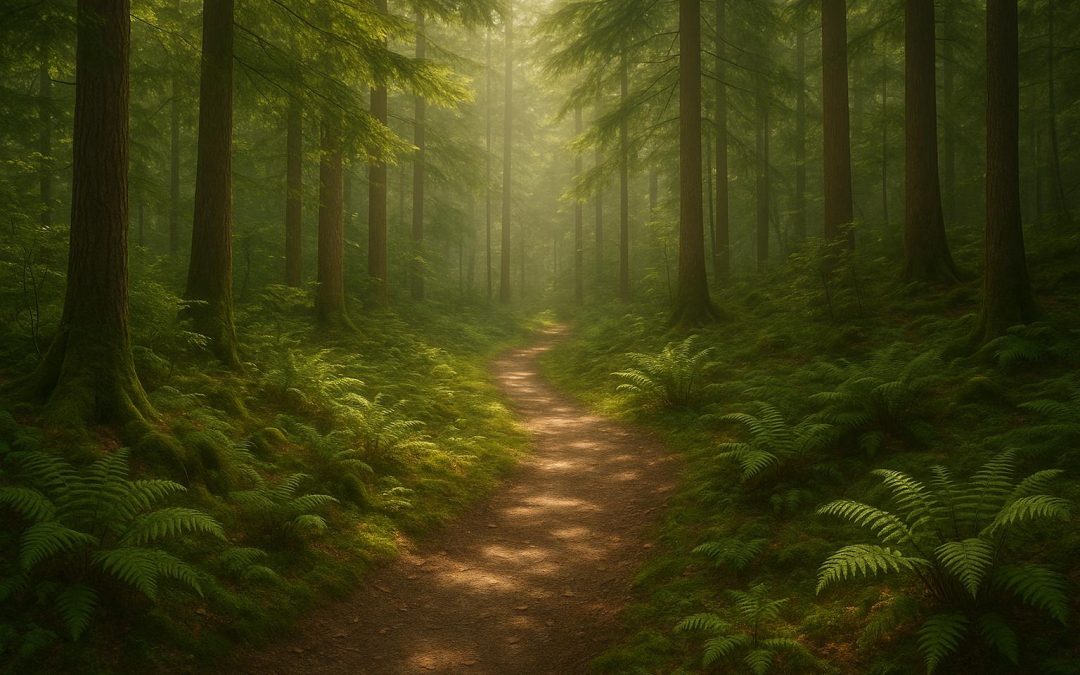
Forest bathing, or shinrin-yoku, is a simple yet powerful practice of immersing yourself in nature to improve mental and physical well-being. Originating in Japan during the 1980s, this practice focuses on using your senses – sight, sound, touch, smell, and even taste – to deeply connect with the natural world. Unlike hiking or exercise, forest bathing is about slowing down, being present, and letting nature restore your body and mind.
Key Takeaways:
- Health Benefits: Reduces stress (12% lower cortisol levels), decreases blood pressure, boosts immune function (50% increase in NK cell activity), and improves mood.
- How It Works: Engage your senses by observing, listening, and touching your surroundings. Move slowly, pause often, and focus on the moment.
- Preparation: Choose a quiet, natural spot; wear comfortable clothing; and bring essentials like water and sunscreen.
- Duration: Aim for 2–3 hours, but even shorter sessions can make a difference.
- Science-Backed: Research confirms measurable benefits for mental clarity, emotional balance, and physical health.
Whether it’s a local park or a retreat like Elohee in Georgia’s Blue Ridge Mountains, forest bathing is accessible and easy to incorporate into your routine. Start today and let nature do the rest.
Forest Bathing 101
Benefits of Forest Bathing
Forest bathing isn’t just about enjoying the great outdoors – it’s a practice with proven benefits for both mental and physical health. Research shows it’s not just a relaxing activity but a legitimate wellness approach with measurable outcomes.
Emotional and Mental Health Benefits
Spending time in nature can almost instantly shift your nervous system from a state of stress to one of calm, helping restore mental balance. One of the standout benefits is stress reduction. For example, a study comparing forest walks to urban walks found that participants had 12% lower stress hormone levels after time in nature. This demonstrates how nature directly impacts your body’s stress response.
Forest bathing also significantly improves mood. Research shows that total mood disturbance scores dropped by an average of 38.8 points after forest-based activities. Participants reported feeling less anxious, depressed, angry, fatigued, or confused, while also experiencing a boost in psychological vitality.
"The intent of forest bathing is to put people in touch with present-moment experience in a very deep way. The sights, sounds and smells of the forest take us right into that moment, so our brains stop anticipating, recalling, ruminating and worrying."
- Susan Albers, PsyD, Clinical Psychologist
By immersing yourself in the sensory experience of the forest, mental chatter quiets down, allowing for greater mindfulness and creativity. This clarity often lingers long after leaving the forest. For those struggling with anxiety or depression, forest bathing offers a gentle yet effective way to ease negative emotions and cultivate mental well-being. It’s particularly beneficial for urban dwellers who face high stress levels and limited access to green spaces.
But the benefits don’t stop at emotional well-being. Forest bathing also has a profound impact on physical health.
Physical Health Benefits
The physical effects of forest bathing are just as impressive and can be measured through medical tests. For instance, it’s been shown to lower blood pressure. Research indicates that systolic and diastolic blood pressure can drop by 7 mmHg – shifting readings from 141 to 134 mmHg (systolic) and from 86 to 79 mmHg (diastolic). This makes it a valuable activity for supporting cardiovascular health.
Your immune system also gets a boost. Trees release phytoncides, natural compounds that not only reduce inflammation but also enhance immune function. Forest bathing has even been linked to better sleep, thanks to its ability to lower stress hormones and blood pressure while promoting relaxation.
Perhaps most striking is its potential role in cancer prevention. Studies suggest that forest bathing increases natural killer (NK) cell activity – specialized immune cells that target abnormal cells before they can develop into tumors. For example, NK cell activity increased by over 50% during a multi-day forest immersion study in Japan.
Scientific Support for Forest Bathing
These benefits aren’t just anecdotal; they’re backed by solid research. One of the most notable studies was conducted in 2005 by Qing Li and his team. They took 12 healthy men on a three-day, two-night forest immersion in Japan. The results were striking: NK cell activity rose by 53.2%, and NK cell numbers increased by 50%. Even more interesting, these immune boosts lasted for days after the experience.
In the United Kingdom, a large-scale study involving nearly 20,000 participants found that spending at least 120 minutes per week in nature led to noticeable improvements in self-reported health and well-being. This shows that even moderate exposure to natural environments can have a meaningful impact.
Meta-analyses provide additional evidence. One review of 971 studies confirmed that forest bathing effectively lowers cortisol levels, a key marker of stress. Another analysis focusing on urban populations found that forest bathing significantly reduced both blood pressure and stress.
The growing field of Forest Medicine highlights the increasing recognition of nature’s therapeutic power. Researchers now see forest environments as more than just a setting for recreation – they’re being treated as a valid tool for preventive medicine.
How to Prepare for Forest Bathing
Getting ready for forest bathing doesn’t require a lot of effort, but a little preparation can make your experience much more meaningful. By taking a few steps to ensure comfort and safety, you’ll be able to fully immerse yourself in the calming and restorative effects of nature. The goal is to create a setting where you can truly connect with your surroundings.
Choosing the Right Setting
Forest bathing can take place almost anywhere with trees and a sense of tranquility. Whether it’s a national park, a quiet neighborhood trail, or even a botanical garden, the key is finding a spot that feels peaceful and inviting. Look for a place with a variety of plants and minimal noise to help you focus on the experience.
"I tell participants to trust that the forest gives them what they need. That can be hard for some people because they think they need to move. But really, forest bathing is about ‘being,’ rather than ‘doing.’"
– Martina Dittmar, registered Maine guide and Shinrin-yoku instructor
If you feel more drawn to open fields, grassy areas, or a lakeshore, those settings can work just as well. For example, research at the San Diego Botanic Garden showed that even small groups experienced reduced blood pressure during Nature Bathing tours, proving that accessible locations can still provide powerful benefits.
Ultimately, your comfort and safety should guide your choice. Whether it’s a well-maintained trail or a secluded spot in a city park, pick a location where you feel at ease. This helps set the tone for a mindful and enriching experience.
What to Bring and Wear
Dressing comfortably is essential. Wear layered clothing that suits the weather and sturdy shoes for walking on uneven terrain. Bring along a few basics to keep your focus on nature:
- Water (16–20 ounces)
- Sunscreen
- Insect repellent
- A light snack
- A simple first aid kit
If it’s colder, opt for insulated layers and accessories to stay warm. These small preparations ensure you can relax and enjoy the moment without distractions.
Timing and Weather Considerations
The best times for forest bathing are early morning or late afternoon. These quieter hours, combined with softer light, create a serene atmosphere. Seasonal changes also add a special touch, from spring blossoms to the vibrant colors of fall. Even rain can enhance the experience, adding new textures and sounds to your surroundings.
Aim for a session lasting 2–3 hours. This gives you enough time to slow down and fully embrace the mindful pace that makes forest bathing so rewarding .
Step-by-Step Guide to Forest Bathing
Now that you’ve arrived at your chosen location, it’s time to begin your forest bathing experience. The key here is to slow down – there’s no rush, no destination. Simply let the forest welcome you and allow it to calm your mind and body.
Step 1: Arrive and Pause
When you first get to your forest bathing spot, resist the urge to dive right in. Instead, take a moment to pause. Find a spot to stand or sit, and let yourself settle. Turn off your phone or any electronics to avoid distractions. This simple act of pausing helps you shift from the fast pace of daily life into the slower rhythm of nature.
Take a few deep, slow breaths. Close your eyes if it feels comfortable and notice how your body begins to relax with each exhale. Pay attention to your feet on the ground – how does the earth feel beneath you? Use this moment to set an intention for your session. Maybe you’re looking for relaxation, a deeper connection to nature, or just a chance to be present.
Even a brief pause like this can create the right mindset for your journey, preparing you to fully engage with the natural world around you.
Step 2: Engage Your Senses
Forest bathing is all about tuning into your senses and becoming fully aware of your surroundings. Take time to focus on each sense individually, then allow them to work together.
What catches your eye? Notice the different shades of green, the way sunlight dances through the leaves, or the intricate patterns on tree bark. Listen carefully – can you hear birds chirping, leaves rustling, or perhaps the bubbling of a nearby stream? Take a deep breath and focus on the scents around you: the earthy aroma of soil, the crisp freshness of pine, or the subtle fragrance of wildflowers.
Don’t forget to touch. Run your fingers over the rough bark of a tree, feel the softness of moss, or hold a cool, smooth stone in your hand.
If something grabs your attention, let yourself linger with it. These small moments of curiosity can deepen your connection to the forest.
Step 3: Move Slowly and Mindfully
If you decide to walk, let your pace be slow and deliberate. The goal isn’t to cover miles but to be fully present with each step.
Forget about having a destination. Let your curiosity guide you. If you spot something interesting – a vibrant flower, a unique rock, or the way shadows shift on the ground – pause and take it in. Focus on each step, feeling the ground beneath your feet, rather than worrying about how far you’re going.
"It doesn’t matter if you don’t get anywhere. You are not going anywhere. You are savoring the sounds, smells, and sights of nature and letting the forest in." – Dr. Qing Li
For some, sitting in one spot for a while might feel more natural than walking. Choose whatever feels right for you in the moment.
Step 4: Try Mindfulness Techniques
To deepen your connection with the forest, you can incorporate simple mindfulness exercises. One option is "Connecting to the Land." Find a comfortable spot to sit, close your eyes, and tune into your senses. Listen to the wind moving through the trees, the chirping of birds, and the rustling leaves. Feel the warmth of the sun or the coolness of a breeze on your skin. Notice the ground beneath you. If your mind starts to wander, gently bring your focus back to these sensations.
Another approach is the Four Elements Exercise. Spend a few minutes observing each of these elements around you:
- Earth: Notice the soil, rocks, or plants.
- Air: Feel the movement of the wind.
- Fire: Observe sunlight or warmth.
- Water: Look for streams, dew, or moisture.
This focused attention can reveal details you might otherwise overlook. And as you breathe, imagine inhaling the calm of nature and exhaling any tension.
Step 5: Reflect and Close
As your session comes to an end, take a moment to reflect. Find a quiet spot to sit and soak in the beauty around you.
Think about your experience. What stood out to you? Did something surprise you or bring you joy? Perhaps a particular tree offered shade, or a flower caught your eye. Mentally thank these elements of nature for their presence and the role they played in your journey.
If you’d like, jot down your thoughts while they’re fresh. Writing about your experience can help solidify the sense of calm and clarity you’ve gained.
"In every walk with Nature one receives far more than he seeks." – John Muir
Taking this time to reflect ensures that the peace you found during your forest bathing session stays with you as you return to your daily life.
sbb-itb-77c7b55
Forest Bathing at Elohee Retreat Center
Why Elohee is Perfect for Forest Bathing
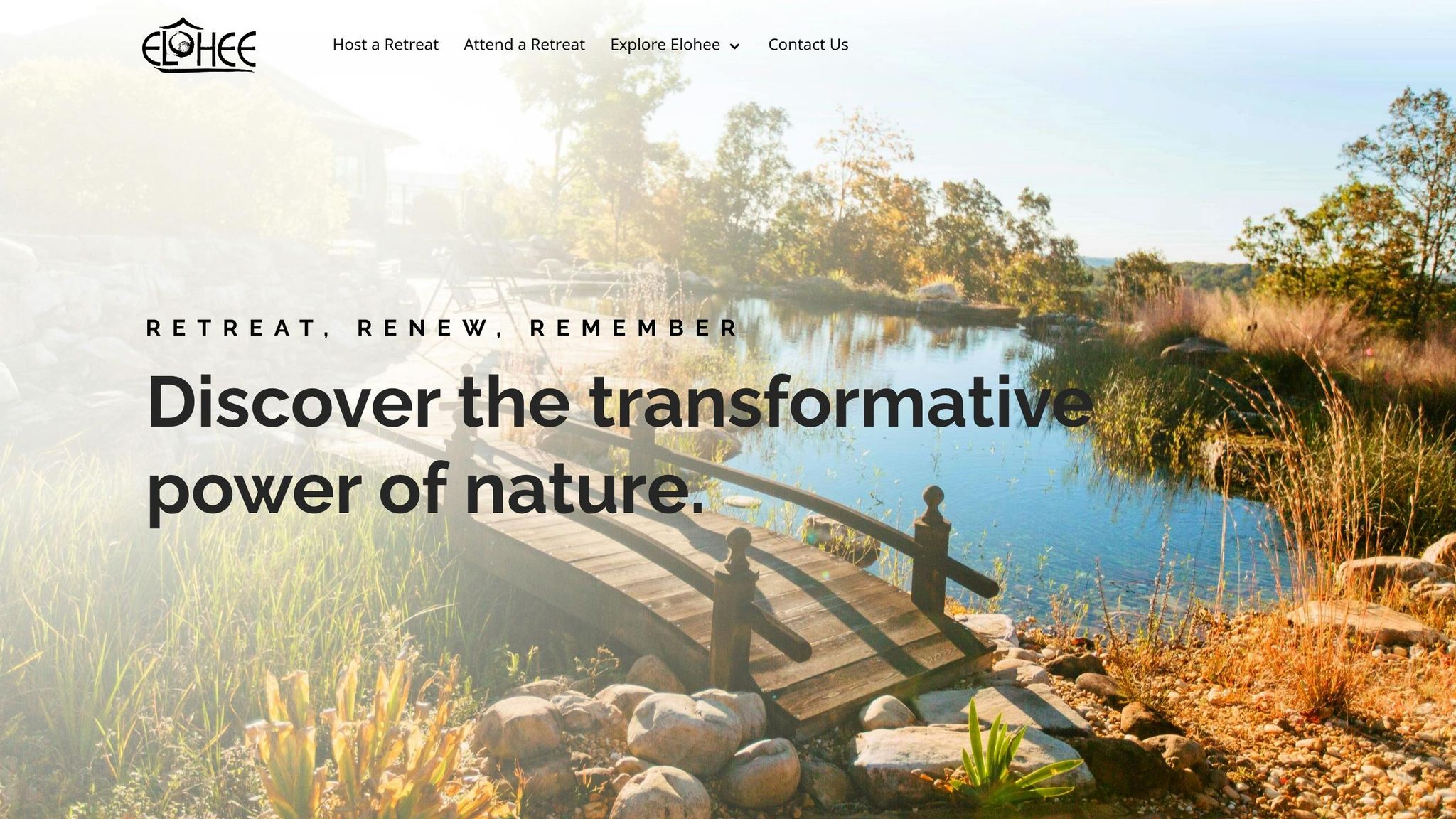
Nestled in the heart of North Georgia’s Blue Ridge Mountains, the Elohee Retreat Center stretches across 220 acres of breathtaking landscapes. From lush forested valleys to rugged ridges, the property offers a variety of ecosystems to explore. At its heart lies a stunning 100-foot waterfall canyon, where the sound of rushing water and the cool mist create a sensory experience that brings you closer to nature.
"It’s more than just a retreat center; it’s a heartfelt dream woven into reality, a sanctuary where every soul can find solace, healing, and a sense of belonging." – Elohee Retreat Center
Elohee’s trail system, which spans over two miles, includes paths like the Red, Green, Yellow, and Orange loops. Each trail offers its own unique scenery and level of challenge, giving visitors a range of opportunities to connect with the natural surroundings.
Located just 90 miles from both Atlanta, GA, and Greenville, SC, Elohee provides a peaceful escape that’s still within reach of urban conveniences. Its serene environment sets the stage for meaningful forest bathing experiences.
Guided Forest Bathing Experiences
Elohee’s guided forest bathing sessions take your nature immersion to the next level. Skilled guides introduce mindfulness techniques tailored to the diverse ecosystems on the property. They also lead you to special spots where the interplay of light, sound, and nature creates a deeper sense of connection. These sessions are designed to nurture personal healing while also fostering a sense of community.
Additional Amenities to Elevate Your Retreat
Elohee goes beyond guided experiences to create a holistic retreat environment. The center offers a variety of wellness-focused amenities, including on-site spa services and accommodations for up to 50 guests. For those seeking a more private experience, the Thanksgiving House provides a serene space with waterfall views, six bedrooms, and a dedicated yoga room.
The property also features distinct areas like Landsong and Bald Mountain Center, each contributing to the peaceful atmosphere. Dining services are available to complete the experience, ensuring every detail supports Elohee’s mission as a “sacred earth place” where visitors can relax, heal, and reconnect with themselves and nature.
Tips for a Safe and Meaningful Experience
Staying Safe in Nature
When heading into nature for forest bathing, your safety should always be the top priority. Stick to marked trails – not only does this help prevent you from getting lost, but it also protects the environment around you. Check the weather forecast beforehand and dress appropriately for the conditions.
Don’t forget to stay hydrated, especially during hot weather. Carry enough water and, if you plan to sit and relax, bring along a small mat for comfort.
If you’re in a forested area, take precautions against ticks. Light-colored clothing makes it easier to spot them, and insect repellents with DEET can help keep them at bay. Tuck your pants into your socks for extra protection, and after your outing, do a thorough tick check. Pay close attention to spots like behind your ears, under your arms, and around your waist.
Be mindful of natural hazards like brambles or stinging nettles, which can irritate your skin. And if you’re venturing into a remote area, always let someone know where you’re going and when you expect to return.
Modifying the Practice for All Abilities
Forest bathing is an inclusive activity, welcoming people of all abilities. Many parks now feature paved trails, making nature accessible for wheelchair users or those with limited mobility. These paths allow for a meaningful connection with nature while ensuring ease of movement.
For individuals who might feel uneasy or unfamiliar with outdoor settings, group activities can provide a sense of comfort and support. A forest bathing facilitator or nature coach can also guide participants through therapeutic practices, helping them process emotions that might arise during the experience.
If going outdoors isn’t an option, virtual forest bathing offers an alternative. Online programs use videos, images, and nature sounds, paired with guided mindfulness exercises, to recreate the experience. These sessions often foster a sense of community, connecting participants through shared practices.
Simple adaptations can also bring nature closer to home. Try gentle upper body movements paired with deep breathing, or practice mindful visualization exercises. You can even bring elements of nature indoors – think houseplants, herbs, or natural objects like stones or shells. Opening windows for fresh air or spending a few moments on a balcony or in a garden can also provide a refreshing connection to nature.
"Forest bathing is a free and accessible activity that many people can benefit from." – Gina Taylor, OT
Through these adjustments, you can make nature a regular part of your life, no matter your circumstances.
Making Forest Bathing Part of Daily Life
By following safety and accessibility practices, you can make forest bathing a regular and enriching part of your routine. Even short, daily interactions with nature – like a quick walk in a park or a moment spent observing a tree – can reduce stress and improve mental clarity.
Urban settings also offer opportunities for forest bathing. Parks, botanical gardens, and even tree-lined streets can serve as peaceful retreats. Focus on the details around you: the sound of rustling leaves, the texture of bark, or the shifting patterns of clouds.
Bring reminders of nature into your everyday environment. Place houseplants near your desk, arrange a small collection of natural items like stones or pinecones, or set a calming nature image as your phone’s wallpaper. These small touches can inspire mindfulness during a hectic day.
Seasonal changes add another layer to your practice. In spring, watch for budding flowers and new growth. Summer offers longer days for evening walks. Fall brings vibrant colors, while winter highlights the stark beauty of evergreens and bare branches.
Joining local nature groups or forest bathing communities can also keep you motivated. Group walks or meditations in nature provide structure and social interaction, enhancing your experience.
The key is to stay both flexible and consistent. Whether you’re spending hours in a forest or just a few mindful moments in a city park, every connection with nature contributes to your well-being and strengthens your bond with the natural world.
Conclusion: Start Your Healing Journey with Nature
Spending time in nature isn’t just a pleasant escape – it’s a proven way to support your health. Just 120 minutes a week in green spaces can significantly improve well-being, reduce stress hormones by 12%, and boost immune function with a 50% increase in natural killer cells. Even a single walk in a forest has measurable advantages over time spent in urban settings.
What makes forest bathing so appealing is its simplicity. All it takes is being present – whether for twenty minutes or two hours – and letting nature do the rest. You don’t need to travel far; whether it’s a dense forest or a small local park, the key is to connect with the natural world around you.
"Forest bathing can be beneficial for everyone, but it is particularly advantageous for individuals living in urban environments." – Rusly Harsono, MD
If you’re looking for a more immersive experience, Elohee Retreat Center in the Blue Ridge Mountains offers a peaceful haven for deepening this practice. With guided forest bathing sessions in its tranquil surroundings, it’s an ideal place to fully embrace nature’s restorative power.
Start your journey today. Explore nearby green spaces or, if you can, visit a place like Elohee to enhance your connection with nature. By making time for these moments, you’ll open the door to nature’s ability to heal and guide you toward a healthier, more balanced life.
FAQs
What makes forest bathing different from hiking or other outdoor activities?
Forest bathing is a peaceful, sensory-rich experience in nature that invites you to slow down and fully engage with your surroundings. Unlike hiking or other outdoor activities that often emphasize physical effort or reaching a destination, forest bathing shifts the focus to simply being present and forming a deeper connection with the natural world.
This practice is all about relaxation and emotional renewal. It encourages you to take in the sights, listen to the sounds, and feel the textures of the environment around you – without any rush or goal in mind. Instead of covering ground, it’s about pausing, reflecting, and finding a sense of calm and healing in the stillness of nature.
What if I don’t live near a forest? Can I still try forest bathing?
You don’t need a sprawling forest to experience the calming effects of forest bathing. A local park, a garden, or even a peaceful street lined with trees can offer a similar sense of tranquility. The secret lies in being present and mindful as you connect with nature.
Engage your senses fully: listen to the gentle rustle of leaves or the chirping of birds, notice the vibrant colors and intricate patterns around you, inhale the fresh, earthy scents, and feel the textures of tree bark or soft grass. Even brief moments spent in nature can leave you feeling more centered and at ease.
Is forest bathing accessible for individuals with limited mobility or those who can’t visit natural areas?
Forest bathing isn’t just for those who can trek through dense woods or sprawling parks. It’s a practice that can be tailored for individuals with limited mobility or those unable to visit outdoor spaces. The essence of forest bathing lies in mindfulness and connecting with nature – and that connection can happen in a variety of ways.
A calming environment is key. This might mean sitting in a garden, spending time in a nearby park, or even surrounding yourself with indoor elements like houseplants, natural light, or recordings of birdsong and rustling leaves. Simply observing sunlight streaming through a window, listening to soothing nature sounds, or taking a moment to breathe deeply can bring a sense of calm. No matter where you are or your physical abilities, forest bathing offers a way to nurture emotional and mental well-being.
Recent Comments