
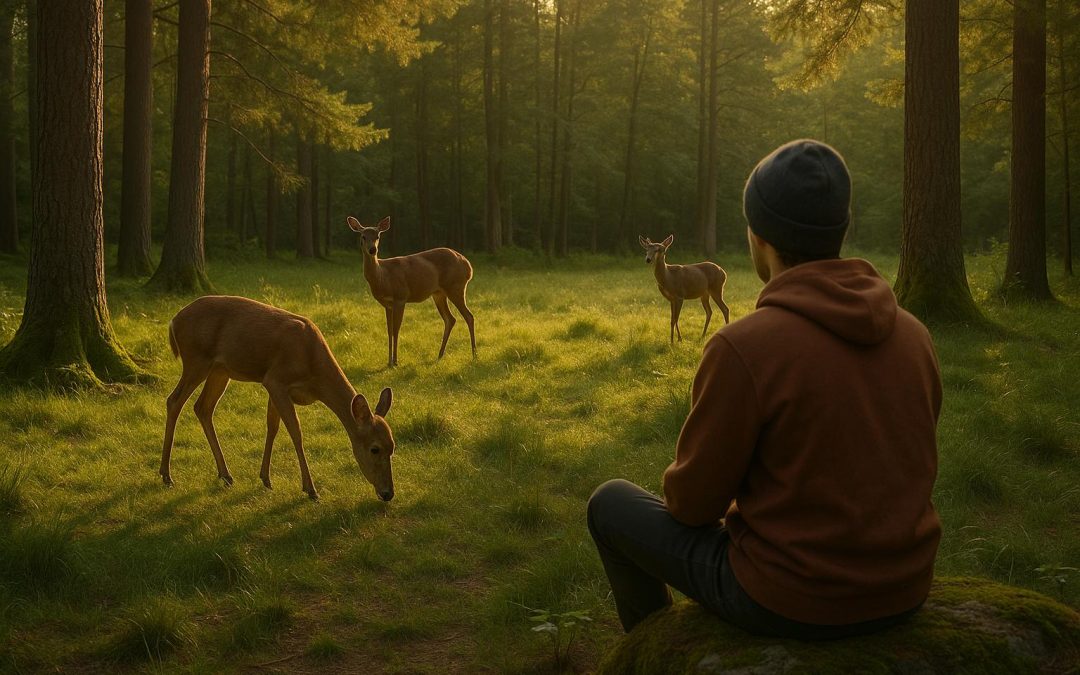
Mindful wildlife observation helps you connect with nature, reduce stress, and learn about the environment. It combines mindfulness techniques with observing animals in their natural habitats. For a peaceful and enriching experience, follow these steps:
- Choose a Quiet Spot: Visit areas like Elohee Retreat Center in North Georgia, offering 220 acres of trails, forests, and a waterfall canyon.
- Engage Your Senses: Notice sounds, sights, and scents around you to stay present.
- Walk Slowly: Move calmly to avoid disturbing wildlife.
- Bring Essentials: Binoculars, a journal, and field guides help you observe and document your findings.
- Respect Nature: Stay on trails and maintain a safe distance from animals.
This practice not only improves mental well-being but also deepens your understanding of ecosystems. Whether solo or with a group, mindful observation offers a meaningful way to relax and appreciate the natural world.
Mindfulness in Nature: Using Animal Senses
Basic Wildlife Observation Methods
Immerse yourself in the natural world by adopting mindful techniques that enhance your ability to observe wildlife while fostering a deeper connection with nature.
Finding Your Observation Spot
Select a peaceful, less-traveled area where you can settle without disrupting the environment. Look for natural features like a fallen log, a large rock, or a water source – they make excellent spots for observing wildlife. Regular visits to the same location can reveal how the environment changes over time. To maximize your chances of spotting wildlife, try visiting at different times of day, especially during dawn and dusk when animals are often most active.
Using Your Senses
Effective wildlife observation means engaging all your senses. Take in the landscape visually, noticing even slight changes in light or movement. Tune in to the sounds around you – the rustling of leaves, distant bird calls, or the faint trickle of water. Pay attention to the textures you encounter, like the roughness of bark or the coolness of a rock, and take note of the various scents carried by the breeze. By fully engaging your senses, you’ll uncover details that might otherwise go unnoticed. As you do, move calmly and deliberately to maintain the tranquility of the natural world.
Walking Techniques
How you move through nature matters. To minimize disturbance, walk slowly and deliberately, rolling your foot from heel to toe. Pause often to scan your surroundings for subtle signs of wildlife. Synchronizing your breath with your steps can help you stay calm and focused. This steady, intentional pace not only allows you to notice subtle shifts in wildlife behavior but also enhances the meditative quality of your experience.
How Wildlife Observation Helps You
Mental Health Effects
Taking time to observe wildlife can work wonders for your mental well-being. It combines the calming effects of nature with the practice of mindfulness, helping to reduce stress and bring a sense of peace. In places like the Blue Ridge, where nature’s beauty is abundant, the experience becomes even more soothing. The gentle sounds of rustling leaves, birdsong, or flowing water can ease anxiety and quiet a restless mind.
At Elohee Retreat Center, surrounded by 220 acres of wilderness, these benefits are amplified. Imagine standing near a 100-foot waterfall canyon or walking along miles of serene trails. These settings offer countless chances to connect with nature in a way that feels both grounding and rejuvenating.
Building Nature Knowledge
Wildlife observation isn’t just about relaxation – it’s also a gateway to learning. Spending time watching animals and their surroundings can deepen your understanding of the natural world. Over time, you’ll start noticing fascinating details, such as:
- How species interact at different times of the day
- The ways animals adapt to seasonal changes
- The specific habitats certain species prefer
Elohee Retreat Center provides the perfect backdrop for this kind of discovery. Its diverse landscapes, including the Landsong trails, Bald Mountain center, and the forested area near the Thanksgiving House, are teeming with life. These areas allow you to witness animals in their natural environments, giving you a firsthand look at how ecosystems function.
This immersive experience often sparks a stronger appreciation for nature and a desire to protect it. As you observe more, your knowledge will grow – from identifying species to understanding their roles in maintaining ecological balance. You’ll also gain insight into how human actions influence these delicate systems, making your connection to the environment even more meaningful.
Rules for Safe Wildlife Watching
Watching wildlife responsibly starts with respecting both the animals and their environments. By being mindful of how our actions affect nature, we can appreciate its beauty without upsetting the delicate balance of local ecosystems. A big part of this involves safeguarding the places these creatures call home.
One important step is sticking to marked trails. This simple act helps protect wildlife habitats from unnecessary disruption. For example, at Elohee Retreat Center, visitors are encouraged to stay on designated paths. These trails are carefully planned to shield the surrounding ecosystems, ensuring that both nature and wildlife can continue to flourish.
sbb-itb-77c7b55
Planning Nature Observation Retreats
Planning a wildlife observation retreat involves picking the right location, timing, and gear. Whether you’re craving some alone time in nature or organizing a group experience, the setting plays a huge role in how connected you feel to the natural world. Below, we’ll explore tips for solo adventures and group retreats at a serene destination like Elohee Retreat Center.
Solo Retreat Essentials
Safety should always be your top priority when venturing out solo. Stick to well-marked trails and let someone know your route. Pack the basics: a compass, map, fully charged phone, weather-appropriate clothing, water, and snacks. If you’re new to this, start with half-day outings to get comfortable before tackling multi-day trips. Bring along a journal to jot down your observations and reflections – it’s a great way to deepen your connection with the environment. These steps help ensure your solo retreat is safe and allows you to fully immerse yourself in nature.
Elohee Retreat Center Highlights
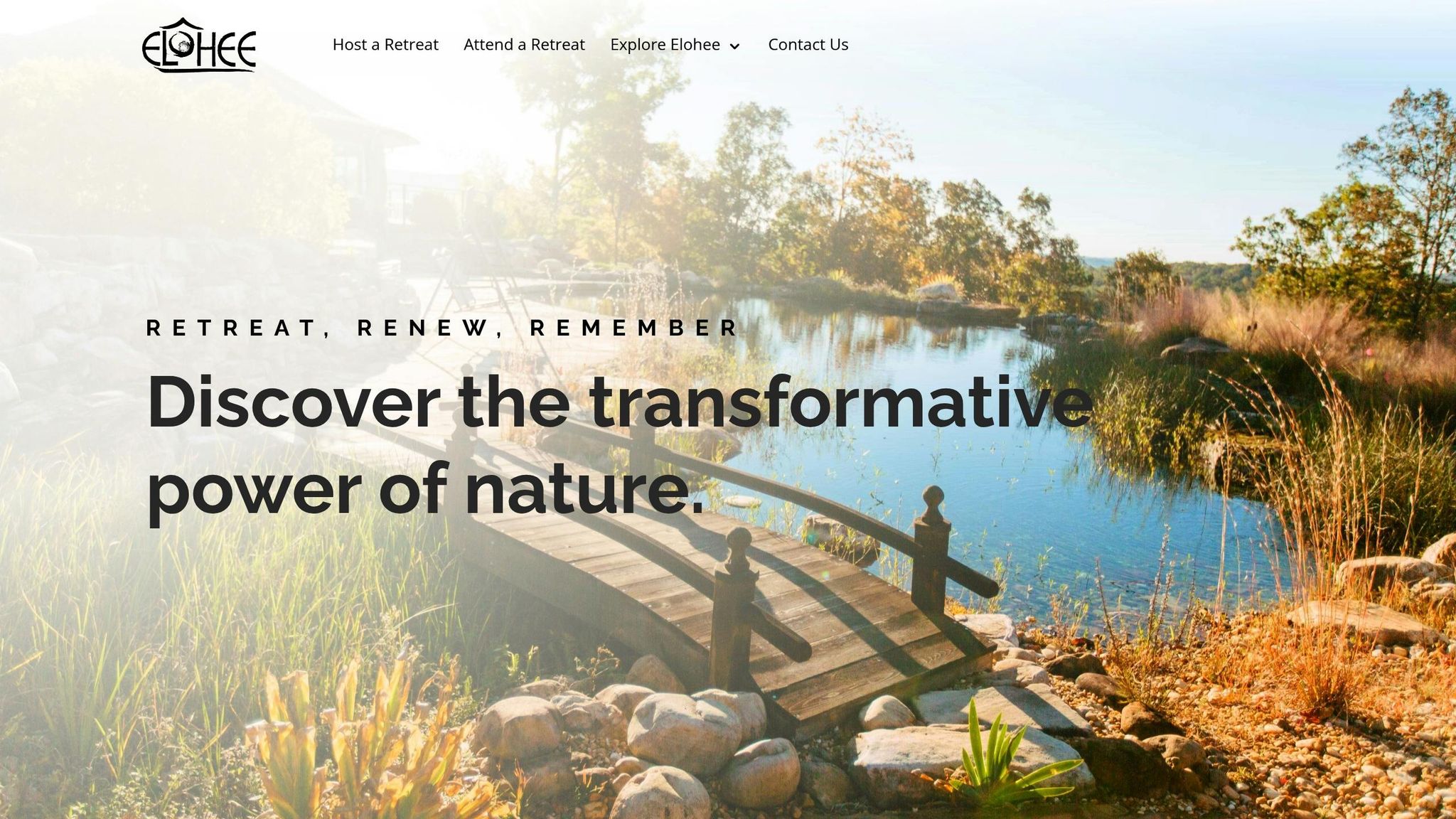
Nestled in North Georgia, Elohee Retreat Center spans 220 acres of Blue Ridge wilderness. Its mix of forested valleys and open ridges creates a haven for diverse wildlife species. The center can host up to 50 overnight guests and is conveniently located just 90 miles north of Atlanta. This makes it an ideal spot for those seeking a balance between accessibility and a true wilderness experience.
Best Times for Wildlife Watching
Wildlife activity changes throughout the day and season, so timing your retreat is key. Here’s a quick guide to help you plan your observation sessions:
| Time of Day | Wildlife Activity | Best For Observing |
|---|---|---|
| Dawn (5-8 AM) | Peak activity | Birds, deer, small mammals |
| Mid-morning (8-11 AM) | Moderate activity | Reptiles, birds |
| Dusk (5-8 PM) | High activity | Large mammals, nocturnal species |
| Seasonal (Spring/Fall) | Migration | Migratory birds, active wildlife |
Spring and fall are prime seasons for retreats, offering mild temperatures and plenty of wildlife activity. Early mornings are particularly rewarding, as animals are out foraging. In summer, aim for early morning or evening outings to escape the midday heat. Overcast days or the period right after a rainstorm can also be great for spotting wildlife, as animals tend to stay active during these times.
Required Equipment and Materials
Having the right gear can make your wildlife observation more enjoyable and effective.
Choosing the Right Binoculars
Binoculars are a must-have for wildlife observation. For most enthusiasts, 8×42 binoculars strike the perfect balance between magnification and light-gathering ability. Here’s a quick guide to key features:
| Feature | Recommendation | Why It Matters |
|---|---|---|
| Magnification | 8x or 10x | Offers clear detail without shaking issues |
| Objective Lens | Around 42mm | Brighter images in low-light conditions |
| Field of View | Wide | Easier to follow moving animals |
| Weight | Lightweight | Prevents arm fatigue during long use |
| Waterproofing | Water-resistant | Stands up to rain and humid environments |
A good pair of binoculars ensures you don’t miss any details during your outdoor adventures.
Keeping Field Notes
A weatherproof notebook is invaluable for documenting your observations. Include details like:
- Date, time, and location of your sightings
- Weather conditions during your outing
- Species observed and their behaviors
- Personal reflections or observations
- Quick sketches to capture the moment visually
Journaling not only helps you remember your experiences but also serves as a creative way to unwind and connect with nature.
Wildlife Identification Resources
Accurate identification adds depth to your wildlife encounters. You can choose between traditional field guides or modern apps, depending on your preference.
Print Guides:
- National Audubon Society Field Guide to North American Birds
- Peterson Field Guides series
Mobile Apps:
- Merlin Bird ID – Great for birdwatching
- iNaturalist – Community-driven species identification
- Seek by iNaturalist – A kid-friendly app for nature exploration
While digital tools are convenient, use them sparingly – set your phone to silent and focus on the moment.
At Elohee Retreat Center, these tools can enhance your experience across its 220 acres, making every wildlife encounter more meaningful.
Summary
Mindful wildlife observation is a wonderful way to connect with nature while supporting your mental well-being. By practicing this, you can cultivate a deeper understanding and appreciation for the natural world around you.
Here are the key elements to keep in mind for a successful wildlife observation experience:
| Key Element | Essential Practices | Benefits |
|---|---|---|
| Location Selection | Seek out quiet, secluded areas away from crowds and noise | Enjoy better wildlife encounters and reduced stress |
| Observation Skills | Use all your senses and remain still and attentive | Build focus and a closer bond with nature |
| Equipment | Bring quality binoculars, field guides, and keep notes | Make detailed observations and create lasting records |
| Safety | Give animals their space and observe their behavior | Protect ecosystems and ensure safe interactions |
For an immersive experience, the Elohee Retreat Center in North Georgia provides an incredible setting. Spanning 220 acres, it features serene trails and a breathtaking 100-foot waterfall canyon – perfect for enhancing your wildlife observation practice.
Whether you’re just starting out or a seasoned observer, approaching nature with patience, preparation, and mindfulness can lead to truly rewarding experiences.
FAQs
What are the best ways to observe wildlife safely for both myself and the animals?
To enjoy wildlife responsibly while keeping both animals and their habitats safe, here are some essential tips to follow:
- Maintain a safe distance: Use tools like binoculars or a zoom lens on your camera to observe animals without disturbing them. This ensures they can go about their routines undisturbed.
- Move quietly and slowly: Avoid sudden movements or loud noises, as these can startle animals and interfere with their natural behavior.
- Don’t feed wildlife: Offering food to animals can negatively affect their health and disrupt their natural feeding patterns.
- Stick to designated trails: Staying on marked paths helps protect delicate ecosystems and reduces your impact on the environment.
By being mindful and respectful of nature, you can have a rewarding wildlife experience while safeguarding the animals and their surroundings.
How can mindfulness enhance your experience while observing wildlife?
Practicing mindfulness while observing wildlife allows you to form a deeper connection with nature, enriching your experience and supporting your mental well-being. By concentrating on the present moment and fully immersing yourself in your surroundings, you can truly savor the sights, sounds, and movements of the natural world. This approach can help ease stress, sharpen your focus, and bring about a sense of calm and awe.
When you observe mindfully, you naturally slow down and start to notice details that might otherwise escape your attention – like the gentle rustling of leaves, the melodic call of a bird, or the intricate patterns on a butterfly’s wings. This intentional focus not only makes your outdoor adventures more rewarding but also fosters a greater appreciation for the beauty and complexity of nature, turning each moment into something unforgettable.
What kinds of wildlife can you typically see at Elohee Retreat Center during different times of the day?
Elohee Retreat Center’s rich ecosystems offer a chance to see a variety of wildlife, though what you encounter can depend on the season and weather. Early mornings are ideal for birdwatching, with species like woodpeckers, cardinals, and warblers being especially active. Around midday, the gardens come alive with butterflies, bees, and other pollinators, while evenings often bring deer or other mammals out as the air cools.
For a closer connection with nature, take a peaceful walk along Elohee’s trails, such as those near the stunning 100-foot waterfall canyon. Staying quiet and observant will enhance your chances of spotting wildlife in their natural surroundings.
Recent Comments