
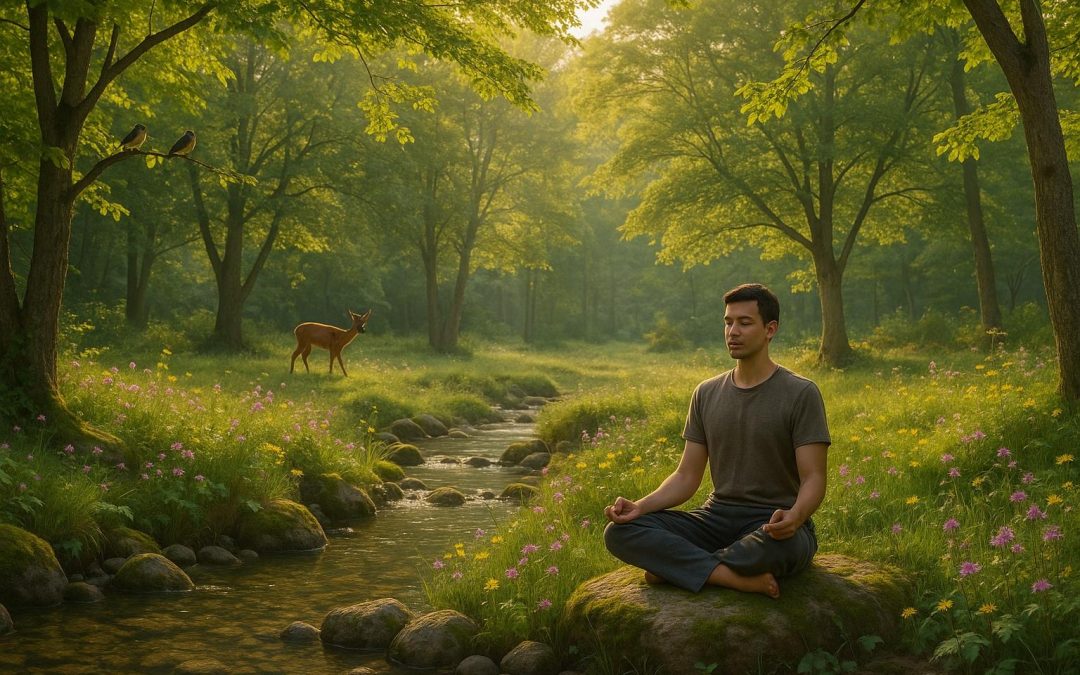
Maintaining balance in nature isn’t just about protecting the planet – it directly impacts your mental, emotional, and physical health. Research shows that spending time in natural environments can reduce stress, improve focus, and even lower the risk of mental health issues. Conversely, damage to ecosystems can increase anxiety, limit access to clean resources, and disrupt personal well-being. Here’s why this connection matters and how you can integrate nature into your daily life:
- Nature supports mental health: People living near green spaces report lower depression and anxiety rates.
- Physical benefits: Cleaner air, water, and soil contribute to better health and reduced chronic disease risks.
- Ecosystem disruptions harm growth: Loss of biodiversity and pollution can increase stress and limit personal development.
- Practical steps: Simple habits like walking in a park, growing plants at home, or meditating outdoors can strengthen your bond with nature.
How Ecosystem Balance Impacts Well-Being
What is Ecosystem Balance?
Ecosystem balance is like nature’s version of teamwork – every living and non-living component works together to maintain harmony. It’s the dynamic relationship between plants, animals, microorganisms, and elements like water, soil, and air in a particular area. Each species plays a role, ensuring resources are shared and no group overwhelms the system.
For instance, predators keep herbivores from overpopulating, while decomposers recycle organic material, enriching the soil. This balance is critical because biodiversity acts as a safety net, helping ecosystems recover from disruptions and keeping everything in sync.
How Balanced Ecosystems Support Personal Well-Being
The benefits of balanced ecosystems aren’t just for the environment – they directly improve our quality of life. Clean air, fresh water, and fertile soil provided by these systems contribute to better physical health, lowering blood pressure, improving sleep, and even reducing the risk of chronic diseases. Beyond the physical, nature has a unique way of refreshing our minds. The gentle engagement, or "soft fascination", of natural environments helps restore mental focus.
Spending time in green spaces also has a profound impact on mental health. People living near diverse green areas experience lower rates of depression and anxiety. In fact, urban residents near green spaces have a 71% lower risk of developing these conditions. Cleaner, biodiverse environments are consistently linked to improved mental well-being.
Natural settings not only soothe the mind but also foster positive emotions like calmness, joy, and creativity. As Heather Eliassen, a professor at Harvard T.H. Chan School of Public Health, explains:
"Time spent outdoors provides a combination of stimulation of different senses and a break from typical overstimulation from urban environments. Exposure to green space results in mental restoration and increased positive emotions and decreased anxiety and rumination."
The effects of nature exposure can last for hours. Research shows that nearly a quarter of the mental health benefits people experience come from the diversity of their natural surroundings, with the positive impacts lasting up to eight hours.
These restorative effects don’t just protect our health – they help build the resilience we need for personal growth. Up next, we’ll explore how disruptions to these natural systems can hinder that growth.
The Benefits of Nature on Mental Health | Kayann Humble | TEDxPittsburgHigh
How Ecosystem Damage Limits Personal Growth
Healthy ecosystems play a crucial role in supporting our well-being. When these systems are disrupted, the ripple effects can directly hinder our ability to grow, heal, and thrive.
Effects of Ecosystem Disruptions
Disruptions like biodiversity loss, pollution, and climate change lead to a chain reaction of problems that harm both physical and mental health. Natural disasters such as floods and wildfires, often intensified by ecosystem damage, leave deep psychological scars. Conditions like depression, anxiety, and PTSD are common among affected populations. For instance, during extreme weather events tied to environmental damage, individuals with mental health conditions are three times more likely to die during heat waves.
These disruptions also drain essential resources. Consider this: ecosystems supply 75% of the world’s freshwater, yet 35% of wetlands have disappeared since 1970. When clean water becomes scarce or contaminated, it takes a toll on physical health, creating yet another barrier to personal growth. The economic impact is staggering too, with biodiversity loss costing the global economy $10 trillion annually.
Beyond resource shortages and economic strain, the loss of access to healthy natural spaces compounds psychological stress. Dr. Maria Neira, Director of the Department of Environment, Climate Change and Health at the World Health Organization, highlights this critical connection:
"You rely on nature if you want to survive: It gives you food, it gives you water, it gives you trees that will protect the quality of the air you breathe. It’s common sense: You need to protect what is protecting you. If we don’t, we are the losers, not the planet."
Ultimately, these cascading effects limit human access to nature, amplifying stress and emotional strain.
How Reduced Nature Access Increases Stress
When ecosystem damage cuts off access to natural spaces, the psychological effects are immediate and severe. Research shows that people living in areas with the least green space face a 24% higher risk of developing schizophrenia. The loss of natural settings also triggers conditions like eco-anxiety, eco-guilt, ecological grief, and solastalgia. The emergence of ecopsychology as a medical field underscores how seriously these challenges are being taken.
Young people are particularly vulnerable. A 2021 study revealed that 59% of young individuals across ten countries reported feeling very or extremely worried about climate change. Nearly half said these concerns directly impacted their daily lives. This persistent "climate anxiety" can become a major obstacle to personal growth, as constant worry makes it difficult to focus on self-improvement or future aspirations.
Environmental degradation doesn’t just impact mental health – it disrupts our sense of identity and belonging. Studies show that losing familiar landscapes can lead to a diminished "sense of place", depression, and emotional distress. When the natural environments that shape our identity are damaged, it’s as if a part of us is lost too. For many, habitat-driven migration adds another layer of trauma, breaking community ties and increasing the risk of psychiatric disorders.
The World Health Organization captures this connection well, stating that "Nature’s goods and services are the ultimate foundations of life and health". When ecosystem damage limits access to these essential supports, it traps us in a cycle of stress and anxiety, reducing resilience and making personal development feel out of reach.
Nature as a Driver of Personal Development
While environmental degradation poses challenges to growth, thriving natural surroundings offer incredible opportunities for healing and self-improvement. Research consistently shows that spending time in nature not only boosts our mood but also enhances physical and mental health, strengthens relationships, and fosters deeper personal growth.
Healing and Growth Through Nature
Nature has a remarkable ability to heal. Spending time outdoors has been shown to lower cortisol levels, heart rate, blood pressure, and even muscle tension. A study found that people who spent at least two hours in nature per week reported significantly better health and well-being. For children, access to green spaces plays an essential role in building stress resilience, offering long-term benefits to their mental and emotional health.
Dr. Lisa Nisbet, a psychologist at Trent University, highlights the power of this connection:
"You can boost your mood just by walking in nature, even in urban nature. And the sense of connection you have with the natural world seems to contribute to happiness even when you’re not physically immersed in nature."
Nature’s benefits extend beyond stress relief. In the UK, 70% of adults reported that being close to nature lifted their mood, while 44% said it helped reduce anxiety. Nature also inspires calm, joy, and creativity, helping free up mental energy for personal development.
Practices like forest bathing – which emphasizes mindfulness and sensory awareness in natural settings – are particularly effective for harnessing nature’s healing power. Similarly, waterfall meditation combines the soothing sound of water with the peacefulness of a natural environment. At the Elohee Retreat Center in North Georgia, visitors can experience this firsthand at a stunning 100-foot waterfall canyon, where the rushing water and forest backdrop create the perfect space for reflection and renewal.
Jodie M. Smith, a nurse practitioner at Mayo Clinic, explains why these experiences are so impactful:
"Being present in nature doesn’t ask or require anything of us, so it frees up our mind to think more deeply and clearly about things."
This individual renewal often leads to stronger connections with others and a deeper sense of self.
How Nature Builds Community and Identity
As nature nurtures individual well-being, it also strengthens communities and deepens personal identity. Connecting with natural environments fosters a "sense of place" that becomes part of who we are, encouraging shared values and collective action.
Initiatives like community gardens, farmers’ markets, neighborhood composting projects, and renewable energy cooperatives are excellent examples of how shared spaces can bring people together. These activities not only strengthen social bonds but also encourage communal responsibility and sustainability. Such spaces often serve as hubs for neighbors to meet, collaborate, and work toward common goals.
The Sustainability Directory emphasizes this connection:
"Community bonds transmute abstract environmental concerns into tangible, local action, providing the essential foundation for green initiatives to flourish."
Urban public spaces with integrated natural elements also play a vital role in strengthening community identity. These areas enhance their cultural value while fostering appreciation for the local environment. Events held in these spaces further connect communities to their natural heritage.
Even simple, everyday interactions with nature – like caring for houseplants, listening to birdsong, or walking through a neighborhood park – help maintain this relationship. During the COVID-19 pandemic, nearly 45% of people in the UK reported that visiting green spaces helped them cope, highlighting the role of shared natural areas in building collective resilience.
As sustainability experts note:
"The strength of community bonds dictates the success of green initiatives, ranging from robust collective action to potential stagnation if social cohesion wanes."
This interplay between personal healing and community connection strengthens both individual and collective identities. At the Elohee Retreat Center, this cycle is intentionally nurtured. Set within 220 acres of diverse ecosystems in North Georgia, the center offers programs that focus on community building, ecology, and sustainability, creating a space where personal growth and collective healing thrive together.
sbb-itb-77c7b55
Ways to Add Nature to Daily Life
Incorporating nature into your everyday life doesn’t have to mean drastic changes or expensive hobbies. Even small, intentional steps can make a big difference in how connected you feel to the natural world – and in turn, to yourself.
Daily Practices for Nature Connection
Nature is all around us, even in the busiest cities. By embracing simple daily habits, you can rekindle that connection and find moments of calm and balance in your routine.
Start with what’s right in front of you: Take a moment to pause, breathe deeply, and tune into the natural sounds and movements around you. Notice bees buzzing, butterflies fluttering, or even the clouds shifting in the sky. Nature has a way of sneaking into even the most urban environments.
British broadcaster Fearne Cotton, founder of Happy Place, beautifully expressed this idea:
"We are connected in every single way. We are nature."
Carry a small piece of nature with you. A pebble, a leaf, or even a feather can serve as a gentle reminder of your bond with the earth.
Bring nature into your home. Grow herbs like basil, mint, or rosemary on a sunny windowsill. Not only do they brighten up your space, but they also enhance your meals. Indoor plants, no matter how small, can offer a sense of calm and connection.
Change your perspective. Find a quiet spot to gaze at the sky and notice its ever-changing beauty. Even a short walk can reveal hidden pockets of greenery, like ivy climbing a wall or plants sprouting from cracks in the pavement.
Ground yourself by walking barefoot on grass, sand, or any natural surface when possible. If stepping outside isn’t an option, visualization exercises can transport you to serene natural settings. Listening to nature sounds through apps or simply opening a window for fresh air can also make a difference.
Explore urban nature. Make time for walks in local parks, rooftop gardens, or community green spaces. Observe urban wildlife – birds, squirrels, or even the occasional butterfly. If you’re near water, take a moment to enjoy the calming presence of a river, lake, or coastline.
These small, consistent efforts can seamlessly weave nature into your daily life, creating a foundation for deeper, more immersive experiences.
Nature Retreats for Deep Healing
Once you’ve established these daily habits, nature retreats can offer a powerful way to deepen your connection and foster healing. Research shows that spending time in nature can significantly reduce stress, with effects comparable to short-term cognitive behavioral therapy. In fact, over 15% of people now regularly engage in outdoor activities, and time in natural settings has been shown to lower cortisol levels, the body’s stress hormone.
Retreats designed for personal growth often combine introspection, skill-building, and environmental connection. These immersive experiences provide a break from the constant noise of daily life, helping you reflect, recharge, and develop strategies for managing stress.
For example, the Elohee Retreat Center in North Georgia offers an inspiring space for healing and self-discovery. Spread across 220 acres of diverse ecosystems, it features miles of trails, a spa, cozy accommodations for up to 50 guests, and a breathtaking 100-foot waterfall canyon. Their programs focus on stress reduction, personal transformation, community building, and more – creating an environment where meaningful healing can naturally unfold.
Nature retreats don’t just nurture mental and emotional well-being – they also deepen your connection to the environment. By stepping away from the hustle of daily life, you can gain fresh perspectives, rediscover your purpose, and carry those insights forward long after the retreat ends. This blend of personal renewal and environmental awareness can lead to lasting transformation.
Overcoming Barriers to Nature Connection
While the benefits of spending time in nature are well-documented, many people face real challenges in making it part of their lives. Understanding these obstacles is a key step toward finding practical ways to reconnect with the natural world.
Common Challenges in Accessing Nature
For many Americans, connecting with nature is easier said than done. In fact, as of 2009, 84% of Americans lived in urban areas, where concrete landscapes often replace green spaces. Urbanization brings its own set of hurdles that can make nature feel distant.
Economic barriers are a major factor. Studies show that low-income families often cite cost as the main reason they don’t visit parks. Expenses like transportation, parking fees, and outdoor gear can add up quickly. For instance, in Hyderabad, India, entry fees to parks were a significant barrier for low-income groups.
Time and safety concerns also play a role. Long work hours, family responsibilities, and packed schedules often leave little room for outdoor activities. In Hyderabad, park visitors also pointed to safety worries as a reason they avoided parks.
Transportation challenges further complicate access to nature. Natural spaces are often located outside city centers, making them harder to reach without a car or reliable public transportation.
Psychological and cultural factors add another layer of difficulty. For disadvantaged youth, limited access to nearby green spaces, safety concerns, and financial constraints create a cycle where less exposure to nature leads to a weaker connection with it. A study of over 5,000 Japanese students found that high levels of urbanization and fewer interactions with nature were linked to negative attitudes toward the environment.
Weather and climate conditions can also discourage outdoor time. Research on initiatives aimed at increasing children’s engagement with nature revealed that unpredictable weather and safety concerns often kept kids indoors. Extreme heat, cold, or sudden weather changes can make outdoor activities feel unpleasant or even risky.
Recognizing these challenges is the first step toward finding ways to reconnect with nature in meaningful and accessible ways.
Solutions to Rebuild Nature Connection
Once we understand the barriers, we can start exploring solutions. Both community efforts and individual actions can help bridge the gap.
Transforming urban spaces is a powerful way to bring nature closer to people. Across the U.S., cities are adopting green infrastructure like urban forests, green roofs, and permeable pavements to create more accessible, nature-friendly environments. These initiatives can help address transportation challenges by bringing green spaces closer to where people live.
Workplace programs are another effective option. Some employers are introducing rooftop gardens, organizing walking meetings in parks, or offering flexible schedules so employees can enjoy natural settings during daylight hours.
Educational programs that focus on ecological awareness can empower communities to protect and engage with their local environments. Community-driven greening projects ensure that spaces meet specific needs, whether it’s safe walking paths, play areas for children, or gathering spots for local events.
Addressing financial barriers at the policy level is also crucial. Increased funding for parks in underserved areas and better public transportation to natural spaces can make nature more accessible to everyone.
On an individual level, small actions can make a big difference. Joining a community clean-up not only helps the environment but also builds a sense of connection and shared purpose. Even starting with something as simple as growing herbs on a windowsill or planting flowers on a balcony can spark a deeper relationship with nature.
For a more immersive experience, nature retreats can provide a structured way to reconnect. Places like the Elohee Retreat Center in North Georgia offer guided programs in serene settings, helping participants deepen their connection to the natural world while nurturing personal growth.
Conclusion: Using Ecosystem Balance for Personal Growth
The link between maintaining balanced ecosystems and personal well-being runs deeper than many realize. As we’ve seen throughout this discussion, healthy ecosystems do far more than meet basic survival needs – they significantly enhance our quality of life. From providing essentials like clean air and water to offering spaces for psychological restoration, balanced ecosystems are the bedrock of human well-being.
Economic insights highlight the tangible benefits of nature. For instance, Scotland’s natural capital supports 240,000 jobs and generates over £196 billion in economic value, with ecosystem services often outpacing the efficiency of man-made solutions. These measurable contributions strengthen both individual livelihoods and community resilience.
"Ecosystem Services are the direct and indirect contributions ecosystems (known as natural capital) provide for human wellbeing and quality of life." – NatureScot
On a personal level, even brief interactions with nature can work wonders. Research shows that spending just 20 minutes to two hours a week in green spaces significantly lowers stress levels and can boost creative thinking by up to 50%.
Journalist and author Richard Louv captures this idea perfectly:
"Nature is not only nice to have, but it’s a have-to-have for physical health and cognitive functioning."
The journey toward aligning with nature starts with small, intentional actions. Simple daily habits like walking barefoot on grass, taking deep breaths in a wooded area, or meditating by a stream can help rebuild your connection to the natural world. These practices not only enhance personal health but also inspire a sense of responsibility toward environmental care. Over time, these small steps can lead to a more balanced life that integrates personal wellness with a commitment to the planet.
For those ready to dive deeper, immersive nature experiences offer transformative opportunities. Places like the Elohee Retreat Center in North Georgia provide a chance to disconnect from the rush of daily life and reconnect with nature in a meaningful way. Such retreats can create the space needed for profound renewal and reflection.
Ultimately, ecosystem balance isn’t just about protecting the environment – it’s also a cornerstone of personal growth. Whether through simple daily nature practices or more immersive retreats, reconnecting with the natural world can reduce stress, spark creativity, improve physical health, and strengthen community bonds. By aligning your lifestyle with nature’s rhythms, you’re not just enhancing your own well-being – you’re also contributing to the preservation of the ecosystems that sustain us all.
FAQs
How does spending time in nature benefit mental health and support personal growth?
Spending time in nature can work wonders for your mental well-being and personal development. It’s a natural way to ease stress, anxiety, and depression while lifting your mood, sharpening your focus, and building emotional strength. Plus, being surrounded by greenery can lead to better sleep, lower blood pressure, and a soothing sense of clarity and calm.
Nature also has a unique way of encouraging self-reflection and mindfulness – two key ingredients for personal growth. Whether it’s a quiet walk through the woods, meditating near the sound of a waterfall, or simply soaking in the fresh air, these moments help you feel more grounded and in tune with yourself and the world. Places like Elohee Retreat Center in North Georgia offer the perfect setting for this kind of rejuvenation, with peaceful trails, a breathtaking waterfall, and spaces designed to nurture healing and self-discovery.
How can I bring more nature into my daily life while living in the city?
Integrating nature into city living doesn’t have to be complicated – it can actually be quite rewarding. Make it a habit to visit local parks or green spaces to breathe in fresh air and enjoy a break from the urban hustle. At home, you can bring the outdoors in by adding a few indoor plants or starting a small garden on your balcony or rooftop. Even simple changes, like letting in natural light by opening your windows or decorating with materials like wood and stone, can create a more nature-inspired atmosphere.
For those craving a deeper connection, places like the Elohee Retreat Center in North Georgia offer an escape. Surrounded by tranquil landscapes and hiking trails, it’s a space designed for self-discovery and personal growth through nature. These practices can help you feel more grounded and connected, even in the middle of a busy city.
How does a disrupted ecosystem impact long-term personal well-being?
When ecosystems are thrown off balance, the ripple effects on personal well-being can be profound. The loss or degradation of natural spaces often strips away the soothing connection many people find in nature, leading to heightened stress, anxiety, and even feelings of grief. For many, these spaces provide a sense of calm and comfort, and their absence can leave a void that’s hard to fill.
On top of that, prolonged exposure to environmental stressors – think noise pollution, poor air quality, or limited access to green spaces – can take a toll on physical health. Issues like cardiovascular strain often arise, and emotional resilience can weaken over time. A healthy, thriving ecosystem isn’t just about preserving nature; it’s also about supporting mental clarity, emotional balance, and overall well-being.
Recent Comments