
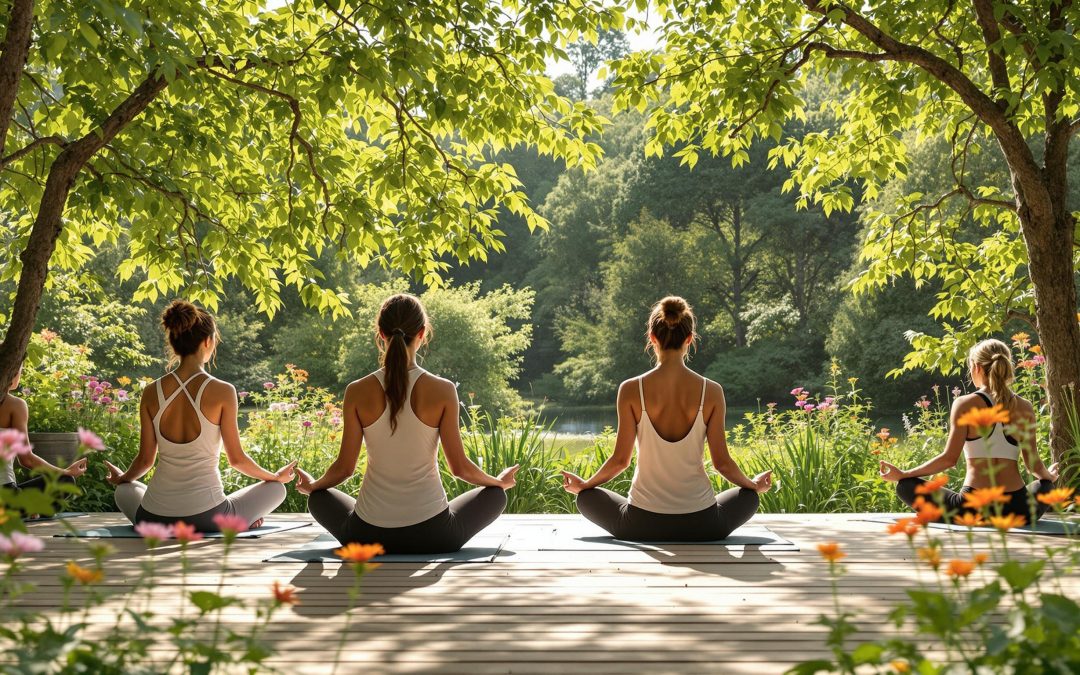
Feeling overwhelmed by stress and anxiety? Nature retreats might be the solution you’re looking for. Research shows that spending time in natural settings can significantly improve mental health, offering lasting benefits beyond regular vacations. Here’s a quick overview of how nature retreats can help:
- Natural Environments: Just 120 minutes a week in nature can lower cortisol levels, reduce negative thinking, and improve problem-solving by 50%.
- Guided Meditation: Mindfulness in nature amplifies relaxation and emotional clarity.
- Outdoor Exercise: Exercising outdoors boosts mood, lowers stress hormones, and provides vitamin D.
- Digital Detox: Unplugging from screens during retreats improves focus, creativity, and sleep quality.
- Better Sleep: Exposure to natural light resets your internal clock, enhancing sleep patterns.
- Clean Eating: Nutrient-rich meals at retreats support brain health and reduce inflammation.
- Group Support: Shared activities foster connections and reduce anxiety through communal bonding.
Nature retreats combine these elements to create a holistic approach to stress relief. Whether it’s a weekend getaway or a longer stay, these experiences can help you reset, recharge, and build lasting habits for better mental health.
The Hidden Power of Nature for Stress Relief
1. Natural Environment Effects
Spending time in nature does more than just help you unwind – it can significantly impact your mental well-being. A retreat in a natural setting can lower stress and anxiety by engaging your senses and syncing with your body’s natural rhythms.
Natural environments gently hold your attention, helping to calm your mind without overwhelming it. This effect is very different from the overstimulation often experienced in urban settings, making nature a more restorative option.
Research shows that just 120 minutes in nature per week – around 17 minutes a day – can lead to noticeable improvements in both mental and physical health. Even a 90-minute walk in a natural environment has been shown to reduce activity in brain areas linked to negative thinking.
Nature retreats provide sensory experiences that promote restoration. Think of the soothing sounds of rustling leaves or flowing water, the fresh scents of rain-soaked earth or blooming flowers, and the calming visuals of lush landscapes – all of which can even improve short-term memory.
Spending four days in nature has also been linked to a 50% increase in problem-solving abilities. This mental clarity may come from nature’s ability to lower cortisol levels and reduce blood pressure, creating the perfect conditions for focused thinking.
While even brief moments outdoors can offer immediate benefits, extended time in nature during a retreat amplifies these effects. It helps reset your internal rhythms and fosters a deeper connection with the natural world.
2. Guided Meditation Benefits
Practicing guided meditation in natural settings not only helps lower stress and anxiety but also enhances the restorative effects of being outdoors. Studies show that mindfulness exercises done in nature are more effective than indoor sessions. For instance, a meta-analysis found a medium-sized effect (g = 0.54) on psychological, physical, and interpersonal well-being when mindfulness was practiced in natural environments.
Nature offers an ideal backdrop for meditation by engaging multiple senses. James, a retreat participant, shared his experience:
"The soundscape, you can suddenly hear some owls, or you notice the wind moving some leaves or how the stream moves and finds its way. It is just something that really encapsulates the moment and just makes you happy that you are just there in that moment and not really thinking about what is going to happen tomorrow or what has happened before."
This natural harmony amplifies the benefits of meditation. Gentle stimuli like rustling leaves or flowing water naturally draw attention, encouraging a compassionate and mindful state. Laura, another participant, reflected on this connection:
"Nature doesn’t need to control either, it is just there, with conditions as they are."
As participants spend more time in nature, their connection to sensory experiences deepens. This often leads to a stronger sense of belonging and allows them to fully benefit from nature’s calming effects. James described a moment of emotional clarity:
"Suddenly, I stared at a leaf and started to cry – because of the leaf, which just lay there by itself, and I found that there was something deeper going on. It seemed that calm and presence allowed one to connect to nature by stepping out of clock time and becoming immersed in one’s experience."
Blending mindfulness techniques with nature’s immersive qualities promotes emotional stability and a sense of connection, making guided meditation a powerful way to manage stress and anxiety.
3. Outdoor Exercise Impact
Exercising outdoors combines physical activity with mental health benefits, reducing stress and anxiety more effectively than indoor workouts. Being in nature enhances the positive effects of exercise while offering the calming and restorative benefits previously mentioned.
Natural settings help the mind relax and improve focus effortlessly. Studies reveal that activities like walking or running in outdoor environments significantly boost self-esteem and improve mood.
Outdoor workouts also lower cortisol levels, slow down heart rate, and release endorphins that elevate mood. Plus, sunlight exposure during these activities provides vitamin D, which supports mood regulation and helps ward off certain illnesses.
People often feel more inspired to stick with their fitness routines when exercising outdoors. This extra motivation makes it easier to build a habit, even with short, regular sessions.
Spending just 120 minutes a week in nature while exercising can lead to noticeable health benefits. Beginners can start small with simple outdoor activities and still see meaningful results.
Whether it’s hiking through forest trails, cycling on scenic paths, or doing yoga in the park, combining physical activity with natural surroundings creates a deeply refreshing experience. This blend of movement and nature offers an effective way to manage stress and anxiety, often outperforming traditional indoor workouts.
sbb-itb-77c7b55
4. Digital-Free Experience
Taking a break from screens during a nature retreat can significantly ease stress and anxiety. With adults spending 7–10 hours a day on devices and 61% admitting to digital addiction, it’s no surprise that constant connectivity takes a toll on mental health and the ability to relax.
Stepping away from the endless distractions of screens allows you to fully engage with your surroundings. The peaceful atmosphere of nature, combined with mindfulness practices, enhances mental recovery. This break from digital noise sharpens focus and helps clear your mind.
Research shows that spending just four days without devices can boost cognitive function and mental clarity. Participants in such studies reported noticeable improvements in problem-solving skills and creativity.
"Taking a scheduled break away from your smartphone or digital device can lower your stress levels. It can also help you focus on the present and pay more attention to things around you." – WebMD
Unplugging also leads to better sleep. Without blue light from screens interfering, people experience deeper, more restful sleep, which further reduces stress and anxiety. Interestingly, about 25% of smartphone users aged 18–44 can’t even remember their last device-free moment.
To make the most of a digital detox, try these tips:
- Cut back on screen time before your retreat
- Let others know you’ll be unavailable
- Silence notifications or turn devices off entirely
- Stay present by avoiding the urge to document everything
Nature has a way of gently drawing your attention, unlike the constant interruptions from devices. This calming effect soothes your nervous system, improves short-term memory, and strengthens your connection with yourself and those around you.
5. Better Sleep in Nature
Getting quality sleep is a key factor in reducing stress and anxiety during nature retreats. Spending time in natural environments helps reset your internal clock, improving your sleep patterns. Here’s how it works.
Research shows that winter campers exposed to 9 hours of natural sunlight daily fell asleep 2.5 hours earlier and slept longer. Even short weekend retreats can quadruple your exposure to natural light.
"Living in our modern environments can significantly delay our circadian timing and late circadian timing is associated with many health consequences. But as little as a weekend camping trip can reset it." – Kenneth P. Wright, Sleep Researcher
Here are the main reasons why sleep improves in nature:
- Natural Light Exposure: Spending time outdoors helps regulate your circadian rhythm and melatonin levels, which are crucial for healthy sleep.
- Peaceful Surroundings: The calming sounds of nature and fresh air create a relaxing atmosphere, making it easier to unwind and sleep better.
- Relaxation-Focused Activities: Activities like early morning walks, evening meditation, and limiting artificial light after sunset all contribute to better rest.
The benefits don’t stop when the retreat ends. By making small changes – like getting more sunlight in the morning and cutting back on screen time at night – you can keep your sleep patterns on track long-term.
Better sleep improves emotional balance and mental clarity, both of which are crucial for managing stress and anxiety. These nature-inspired habits can help you create a lasting foundation for healthier, more restorative sleep.
6. Clean Eating Effects
Clean eating at nature retreats helps your body and mind work better, setting the stage for specific benefits that follow.
Many modern diets lack nutrients and can lead to chronic stress. Retreats focus on whole, nutrient-packed foods, helping your body reset and manage stress more effectively.
"When your body begins functioning optimally, it becomes your inner compass and reconnects you to your intuitive knowing. As you start to listen to its messages – and respond accordingly, you regain confidence in your self-authority." – Hacienda del Sol
Key nutrients that play a role include:
- Omega-3 fatty acids (found in salmon and sardines): Support brain health and reduce inflammation.
- B vitamins (found in leafy greens and whole grains): Help regulate mood and energy.
- Magnesium (found in nuts and legumes): Promotes relaxation and better sleep.
- Antioxidants (found in berries and colorful vegetables): Fight oxidative stress.
Clean eating also supports brain function and mental health. Dr. Jerome Sarris, Senior Research Fellow at the University of Melbourne, notes, "Dietary nutrients are critical for brain structure and function, so they have a potentially profound impact on mental health".
Retreats help reduce stress by:
- Natural Energy Regulation: Whole foods provide steady energy without crashes.
- Improved Gut Health: Fermented and fiber-rich foods strengthen the gut–brain connection.
- Reduced Inflammation: Plant-based antioxidants lower stress-related inflammation.
- Better Mood Balance: Essential nutrients aid neurotransmitter production.
Additionally, retreats encourage lasting healthy eating habits by focusing on:
- Using locally sourced, seasonal ingredients and vibrant produce.
- Choosing naturally grain- and sugar-free options.
- Sticking to regular meal times to keep blood sugar levels steady.
7. Group Support Benefits
Participating in group activities during nature retreats can create strong connections that help reduce stress and anxiety through shared experiences and mutual support. The communal aspect of these retreats provides a foundation for planned group activities that further ease anxiety.
Nature retreats offer a mix of personal reflection and group interaction. The natural surroundings encourage feelings of empathy and kindness, helping participants form meaningful bonds.
Here are some common group activities featured in nature retreats:
- Guided group hikes: Walking together in nature while sharing personal experiences
- Community meditation circles: Practicing mindfulness as a group
- Shared meal preparation: Working together to prepare meals using fresh, local ingredients
- Evening reflection circles: Discussing and processing the day’s events
Group settings help reduce stress in several ways:
- Shared understanding: Connecting with others facing similar challenges
- Peer support: Learning practical coping strategies through shared experiences
- Community building: Forming lasting relationships
- Collective energy: Amplifying the calming effects of nature through group activities
Studies show that combining nature immersion with group support leads to better therapeutic results than focusing on individual approaches alone. This highlights the added value of incorporating group interactions into a retreat for improving mental well-being.
To maximize these benefits, retreats are often structured to include:
- Planned group activities: Guided sessions that promote connection
- Unstructured social time: Opportunities for natural, spontaneous interactions
- Personal downtime: Moments for individual reflection and rest
- Shared meals: Informal settings for conversation and bonding
This thoughtful balance ensures participants can connect deeply with others while also having time to reflect on their own.
Conclusion
Nature retreats provide a proven way to help reduce stress and anxiety. Research published in Translational Psychiatry highlights that while regular vacations offer short-term boosts in well-being, nature retreats can deliver lasting improvements.
The combination of natural surroundings, mindfulness practices, and group support offers an effective way to manage stress. The wellness travel industry is expected to grow significantly, reaching around $1.02 trillion by the end of this decade – a clear sign of the growing interest in these experiences.
Dr. Sanam Hafeez emphasizes:
"Being surrounded by nature has been shown to have numerous mental health benefits, promoting relaxation and reducing stress".
Laura Montesanti, Founder and Managing Director at Synergy, adds:
"Retreats are unique because they’re a transformational journey. It’s something you embark on with a purpose… You don’t just go to a place and leave; you bring back tools to implement in your daily life. The retreat is about YOU. It gives you dedicated space to grow individually or alongside the support of a group."
If you’re looking to bring a bit of this into your daily life, here are some practical ways to connect with nature:
| Timeframe | Action Steps | Expected Benefits |
|---|---|---|
| Daily | Take a 30-minute walk in nature | Reduced cortisol levels |
| Weekly | Spend 120 minutes outdoors | Better overall well-being |
| Monthly | Join outdoor group activities | Stronger social connections |
| Quarterly | Plan extended nature getaways | Deeper stress relief |
Recent Comments