
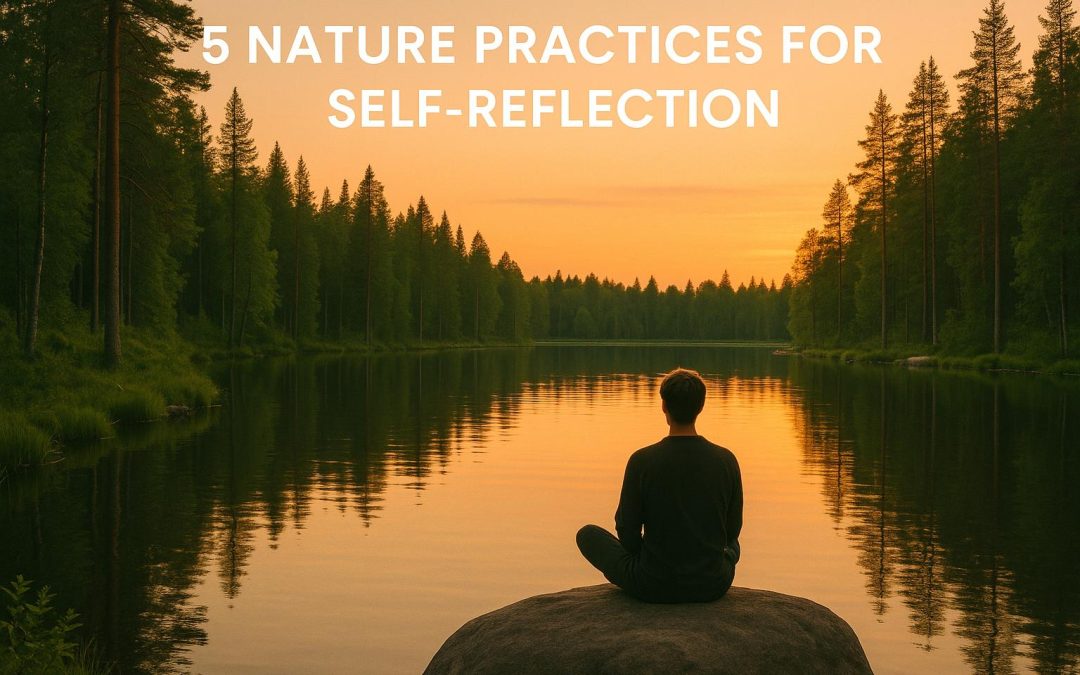
Feeling overwhelmed? Nature can help you slow down, reflect, and find clarity. Here are five simple practices to reconnect with yourself outdoors:
- Forest Bathing: Immerse yourself in nature by walking slowly and engaging your senses. Notice sights, sounds, and textures around you.
- Nature Journaling: Write your thoughts inspired by natural surroundings. Use prompts like “What do I need to let go of?” near water or “What patterns in nature mirror my life?” on a trail.
- Slow Walking Meditation: Walk at a slower pace, syncing your breath with each step. Focus on the ground beneath your feet and the environment around you.
- Solo Time Outdoors: Spend quiet time alone in a peaceful natural spot. Observe, reflect, and connect with your thoughts without distractions.
- Art Making in Nature: Sketch, use natural materials, or create temporary art inspired by your surroundings. This process encourages creativity and self-expression.
Quick Comparison of Practices
| Practice | Time Needed | Materials Required | Key Benefits |
|---|---|---|---|
| Forest Bathing | 2-3 hours | Comfortable clothing | Reduces stress, improves clarity |
| Nature Journaling | 15-45 mins | Journal, pen | Sharpens self-awareness, creativity |
| Slow Walking Meditation | 20-60 mins | Comfortable shoes | Boosts mindfulness, reduces anxiety |
| Solo Time Outdoors | 1-4 hours | Basic outdoor gear, water | Builds independence, deep reflection |
| Art Making in Nature | 30-90 mins | Sketchbook, art supplies | Encourages creativity, reduces stress |
These practices can be done anywhere, but serene spots like the Elohee Retreat Center in Georgia provide the perfect setting to deepen your experience. Start small – just 15 minutes outdoors can make a difference.
15 Minute Guided Outdoor Meditation-Connecting with Nature
Why Nature Helps Self-Reflection
Nature has a way of calming the mind and encouraging introspection. According to Elohee Retreat Center’s 2023 program reports, participants noted a 40% boost in feelings of peace and a 25% rise in self-awareness after just three days of nature-focused activities.
Natural settings engage the senses while easing the nervous system. For instance, Elohee’s 100-foot waterfall produces a soothing white noise that helps visitors disconnect from daily stress. The rustling leaves and sweeping mountain views create an ideal environment for thoughtful contemplation.
Certain features of natural environments are especially effective for encouraging self-reflection:
| Natural Feature | How It Affects Self-Reflection |
|---|---|
| Moving Water | Sounds of waterfalls and streams promote a meditative mood |
| Forest Canopy | Filtered light and shade reduce visual distractions |
| Mountain Views | Wide vistas encourage perspective and mental clarity |
| Natural Trails | Walking paths support mindful movement and exploration |
These elements not only calm the mind but also create the perfect setting for focused self-reflection.
"It’s more than a retreat; it’s where your heart meets nature, where peace meets purpose." – Elohee Retreat Center
The reflection pond at Bald Mountain serves as a metaphor for how stillness can bring clarity. From the quiet corners of forested valleys to the expansive views atop mountain peaks, each setting offers its own unique way to encourage self-discovery.
This understanding provides a starting point for exploring practices that make the most of nature’s ability to support self-reflection.
1. Forest Bathing (Shinrin-yoku)
Forest bathing, known as Shinrin-yoku in Japanese, is all about slowing down and fully immersing yourself in nature. Unlike a hike where the goal might be to cover distance, this practice focuses on connecting deeply with the environment around you.
At Elohee Retreat Center, participants engage their senses to enhance this connection:
| Sense | Example Activity | Benefit |
|---|---|---|
| Sight | Watching how sunlight filters through the leaves | Brings a sense of calm and mental clarity |
| Sound | Tuning in to bird songs and the rustling of leaves | Helps you stay present in the moment |
| Touch | Feeling the textures of bark or moss | Anchors you in the physical world |
| Smell | Breathing in earthy, natural scents | Encourages relaxation |
| Taste | Enjoying the crisp freshness of the forest air | Heightens your sensory experience |
The goal is to move at a mindful, unhurried pace. Stop by a waterfall or other natural features to focus on soothing sounds and textures. Start by finding a peaceful spot, then walk slowly, paying attention to small details around you. This practice helps you stay grounded and fully present.
2. Nature Journaling
Nature journaling combines thoughtful writing with the inspiration of the outdoors to encourage deeper self-reflection and fresh perspectives.
Here’s how to make the most of it:
| Setting | Writing Prompts | What It Offers |
|---|---|---|
| Mountain Views | What does this vast landscape reveal about my current life perspective? | A broader outlook on personal challenges |
| Near Water | How do my thoughts flow like a waterfall? What do I need to let go of? | Emotional clarity and a sense of release |
| Forest Trail | What patterns in nature reflect patterns in my own life? | Improved metaphorical thinking and self-awareness |
| Garden Space | What in my life needs care and nurturing right now? | Encourages growth-focused reflection |
Find a quiet spot where you can relax without distractions. Bring a sturdy, weatherproof notebook and a pen. Start with 5–10 minutes of simply observing your surroundings. Let the natural setting guide your thoughts instead of forcing specific topics.
The Elohee Retreat Center, with its soothing waterfall canyon, provides an ideal environment for this practice. The sound of cascading water helps quiet the mind, while the center’s diverse landscapes – from wooded trails to mountain views – can spark a variety of reflections.
Here are a few techniques to try:
- Sensory descriptions: Write about what you see, hear, or smell, then connect those sensations to your inner thoughts.
- Nature metaphors: Use elements around you as symbols for situations in your life.
- Sketch-and-reflect: Pair simple sketches of natural features with written reflections on their meaning.
- Time-lapse observations: Visit the same spot at different times to notice changes in both the environment and your perspective.
Consistency is key, but don’t make it rigid. Pick a regular time for journaling, but let your observations and writing flow naturally. Even a brief 15-minute session in nature can lead to meaningful insights.
3. Slow Walking Meditation
Slow walking meditation combines movement with mindfulness, offering a calming way to reflect and connect with your surroundings.
This practice involves slowing your walking pace and paying close attention to your body and environment. Here’s a breakdown of the process:
| Phase | Focus Area | Purpose |
|---|---|---|
| Initial Grounding | Feet connecting with the earth | Build awareness of the present |
| Movement | Slow steps (3–5 seconds each) | Strengthen the body-mind link |
| Breath Sync | Match breath with movement | Promote mindfulness |
| Environmental Integration | Notice nature and sensations | Deepen your connection to nature |
This approach pairs well with nature journaling, as it combines physical activity with mindful observation, enhancing your reflective experience.
To begin, choose a quiet path where you can walk without interruptions for 15–20 minutes. For example, the Elohee Retreat Center offers trails ranging from serene forest paths to more challenging terrain, ideal for this practice.
How to Get Started:
- Ground Yourself: Pause for 1–2 minutes before starting. Feel the ground under your feet and notice the textures beneath your shoes.
- Slow Your Steps: Walk at about one-third of your usual pace. Take 3–5 seconds for each step, syncing your steps with your breath. For example, inhale for two steps and exhale for two.
- Engage Your Senses: Pay attention to the sounds, light, and breezes around you. These details can help bring your focus back if your mind starts to wander.
Even a short session of 5 minutes can be impactful, though practicing for at least 15 minutes can deepen your experience. Focus on each step and let the rhythm of your movement and breath guide you, fostering a stronger connection with nature as you walk.
sbb-itb-77c7b55
4. Solo Time Outdoors
Spending time alone in nature can be a powerful way to connect with yourself. Pick a safe and peaceful spot – maybe a quiet stream, a forest clearing, or somewhere near water. For example, the Elohee Retreat Center in North Georgia offers tranquil spaces like a 100-foot waterfall canyon and scenic trails where visitors can enjoy solitude.
Staying Safe
Before heading out, take a few precautions to ensure your safety:
- Let Someone Know: Share your location and expected return time with a trusted person.
- Stay Aware of Your Surroundings: Use landmarks or a compass to avoid getting lost.
- Check the Weather: Dress for the conditions and be prepared for changes.
- Pack the Basics: Bring water, a small first-aid kit, and your phone.
Once you’ve taken these steps, you can fully relax and enjoy your time alone.
Making the Most of Your Time
Find a comfortable spot – on a log, the grass, or a rock – and begin with a few moments of mindful observation. As you get more comfortable, try to spend longer periods outdoors, immersing yourself in the environment. The key is to stay present and let your thoughts flow naturally.
Ways to Deepen the Experience
Engage your senses to connect more deeply with your surroundings:
- Notice how sunlight and shadows interact around you.
- Tune into the layers of natural sounds, from birds to rustling leaves.
- Feel the textures of nearby rocks, grass, or tree bark.
- Watch for the subtle movements of nature, like swaying branches or rippling water.
These simple techniques can help you feel more grounded and connected during your solo time outdoors.
5. Art Making in Nature
Creating art in nature combines self-expression with the calming influence of the outdoors, offering a unique way to reflect and connect.
Easy Art Activities to Explore
Nature Sketching: Bring along a sketchbook and some pencils to draw what you see around you. Pay attention to details like the texture of bark, the shape of leaves, or the way shadows dance. This is about observing and expressing, not perfection.
Using Natural Materials: Collect items like fallen leaves, pine cones, or interesting rocks to arrange into temporary art pieces. This practice, often called "ephemeral art", emphasizes the fleeting beauty of nature.
What You’ll Need
- A small sketchbook or journal
- A few drawing pencils
- Colored pencils or watercolors (optional)
- A sitting pad for comfort
- A bag to collect natural items
Where to Find Inspiration
The Elohee Retreat Center offers plenty of inspiration, with its scenic trails and the breathtaking 100-foot waterfall canyon. Simple techniques, paired with this environment, can help you tap into your creativity and self-awareness.
Tips to Go Deeper
- Choose a spot that feels meaningful to you, take a moment to settle, and observe before starting.
- Let your art reflect your emotions and experiences.
- Avoid judging your work – this is about the process, not the result.
- Use photos to document your progress and creations.
The goal here isn’t to create perfect art but to use the process as a way to explore your thoughts and feelings through creativity.
Making These Practices Work
Keep nature-focused self-reflection going with good planning and the right setting.
Creating Your Practice Space
Pick a peaceful, natural spot to enhance your reflection time. While places like Elohee Retreat Center are ideal, you can find meaningful spaces in various outdoor settings. Look for:
- Quiet locations away from city noise
- Natural elements like streams, trees, or open fields
- Safe and easy-to-reach spots for regular visits
- Sheltered areas to ensure consistency, no matter the weather
The right space can help you seamlessly integrate these practices into your daily life.
Establishing a Routine
| Duration | Activity | Purpose |
|---|---|---|
| 10 minutes | Morning nature journaling | Start your day with focus |
| 20 minutes | Lunchtime walking meditation | Relieve mid-day stress |
| 30 minutes | Weekend forest bathing | Dive into deeper reflection |
| 45 minutes | Nature-inspired art session | Explore creative outlets |
Deepening Your Practice
Set a clear focus before each session to make the most of your time outdoors.
- Protect Your Time: Schedule these moments on your calendar, treating them as non-negotiable. Early mornings or late afternoons often provide peaceful light and fewer distractions.
- Start Small: Begin with short sessions and increase their length over time.
- Adjust for Seasons: Modify your routine as the seasons change to keep it consistent year-round.
Seasonal Adjustments
Spring/Summer:
- Opt for early or late hours to avoid crowds.
- Bring sun protection and stay hydrated.
Fall/Winter:
- Dress in layers for warmth.
- Plan for midday sessions when it’s warmer.
- Keep sessions shorter but more frequent.
Supporting Your Journey
Consider spending time at retreat centers like Elohee Retreat Center. Facilities such as Bald Mountain and the Forest Studio provide a peaceful environment perfect for deeper reflection and growth.
Practice Benefits at a Glance
Here’s a quick summary of the benefits for each practice:
| Practice | Time Needed | Materials Required | Key Benefits | Best For |
|---|---|---|---|---|
| Forest Bathing | 2-3 hours | Comfortable shoes, weather-appropriate clothing | Less stress, stronger immune system, better mood, improved sleep | Relaxation, stress relief, mental clarity |
| Nature Journaling | 15-45 minutes | Journal, pen, portable chair or mat | Better self-awareness, sharper observation, improved memory, creative expression | Reflection, goal setting, emotional processing |
| Slow Walking Meditation | 20-60 minutes | Comfortable walking shoes | Greater mindfulness, reduced anxiety, improved balance, sharper focus | Active meditation, physical wellness, mental centering |
| Solo Time Outdoors | 1-4 hours | Basic outdoor gear, water bottle | Stronger independence, deeper self-connection, better problem-solving, more confidence | Personal growth, decision making, life transitions |
| Art Making in Nature | 30-90 minutes | Sketchbook, art supplies, portable easel | Boosted creativity, reduced stress, sharper focus, better observation | Creative expression, artistic growth, visual meditation |
Choosing Practices Based on Your Setting
Here’s how to match practices to your environment:
| Setting | Ideal Practices |
|---|---|
| Forest Areas | Forest bathing, solo time outdoors |
| Urban Parks | Walking meditation, journaling |
| Water Features | Art making, meditation |
| Mountain Trails | Solo time, forest bathing |
| Garden Spaces | Journaling, art making |
For a more immersive experience, consider visiting places like Elohee Retreat Center. With its forest trails and waterfall settings, it’s perfect for practicing these techniques in a peaceful, guided environment.
Adjusting for Weather Conditions
Keep these weather tips in mind to get the most out of your practice:
| Weather Condition | Recommended Duration | Practice Adjustments |
|---|---|---|
| Sunny (60-75°F) | Full duration | Follow standard practice |
| Hot (>75°F) | Cut by 30% | Practice earlier or later in the day |
| Cold (<45°F) | Cut by 40% | Opt for more movement-based activities |
| Light Rain | Full duration | Add rain gear |
| Heavy Rain | Indoor alternative | Use covered or sheltered spaces |
These adjustments make it easier to incorporate nature-based practices into your routine, no matter the conditions.
Next Steps
Enhance your self-reflection journey with these straightforward actions:
Start small and build up over time. Begin with 15-20 minute sessions a few times a week. Pick one practice from the table above that feels right for you. These steps work well alongside the nature-based practices already mentioned.
Set up a dedicated spot. While any natural setting can work, having a consistent place helps you build a routine:
| Location Type | Setup Tips | Best Times |
|---|---|---|
| Home Garden | Choose a quiet area with seating | Early morning, sunset |
| Local Park | Look for a less busy section | Weekday mornings |
| Nature Trail | Pick a familiar route | Mid-morning, late afternoon |
Use this space to reflect, document your thoughts, and grow steadily.
Take it further. For a more immersive experience, consider visiting Elohee Retreat Center in North Georgia. With 220 acres of diverse landscapes, the center offers three unique areas – Landsong, Bald Mountain center, and Thanksgiving House – each suited for different types of reflection.
Track your progress. After each session, jot down:
- The technique you tried
- How long you practiced
- Weather conditions
- Any key thoughts or feelings
- Physical or mental changes you noticed
Stay connected. Follow Elohee Retreat Center on social media for year-round inspiration and ideas on nature-based reflection. Their posts often share fresh approaches to deepen your practice.
Spending mindful time in nature regularly can transform your self-reflection process. Keep a record of your sessions, explore new ideas, and let each moment in nature enrich your journey.
FAQs
How can I practice nature-based self-reflection if I live in a city?
Even in a busy urban setting, you can embrace nature-based self-reflection by visiting nearby parks, community gardens, or any green spaces. Try mindful walking along tree-lined paths, or bring a journal to reflect while surrounded by nature. If outdoor options are limited, consider incorporating plants into your home or practicing mindfulness near a window with a view of the sky or greenery.
Small, consistent moments in nature – whether it’s a 10-minute walk or simply sitting quietly in a green space – can create meaningful opportunities for connection and self-discovery.
How can spending time in nature promote self-reflection and mindfulness?
Spending time in nature fosters self-reflection and mindfulness by offering a peaceful space to slow down, reconnect, and gain clarity. Activities like walking through wooded trails, sitting by a waterfall, or simply observing the natural world can help quiet the mind and encourage deeper introspection.
For example, the serene environment of the Elohee Retreat Center in North Georgia – featuring a 100-foot waterfall, lush forests, and miles of hiking trails – provides the perfect backdrop for personal growth and self-discovery. Immersing yourself in such a setting can inspire mindfulness and create opportunities for meaningful reflection.
How can I find the right nature-based practice to support my self-reflection journey?
Finding the right nature-based practice starts with considering your personal goals, preferences, and lifestyle. If you’re seeking a calming experience, forest bathing – spending quiet time in a natural setting – might be ideal. For those who enjoy introspection, journaling outdoors can help connect your thoughts with the environment. If you prefer movement, try mindful walking, where you focus on each step and the sensations of being surrounded by nature.
The Elohee Retreat Center in North Georgia provides a serene setting to explore these practices. With its peaceful trails, waterfall canyon, and tranquil atmosphere, it’s an inspiring place to deepen self-reflection and personal growth through nature.
Recent Comments