
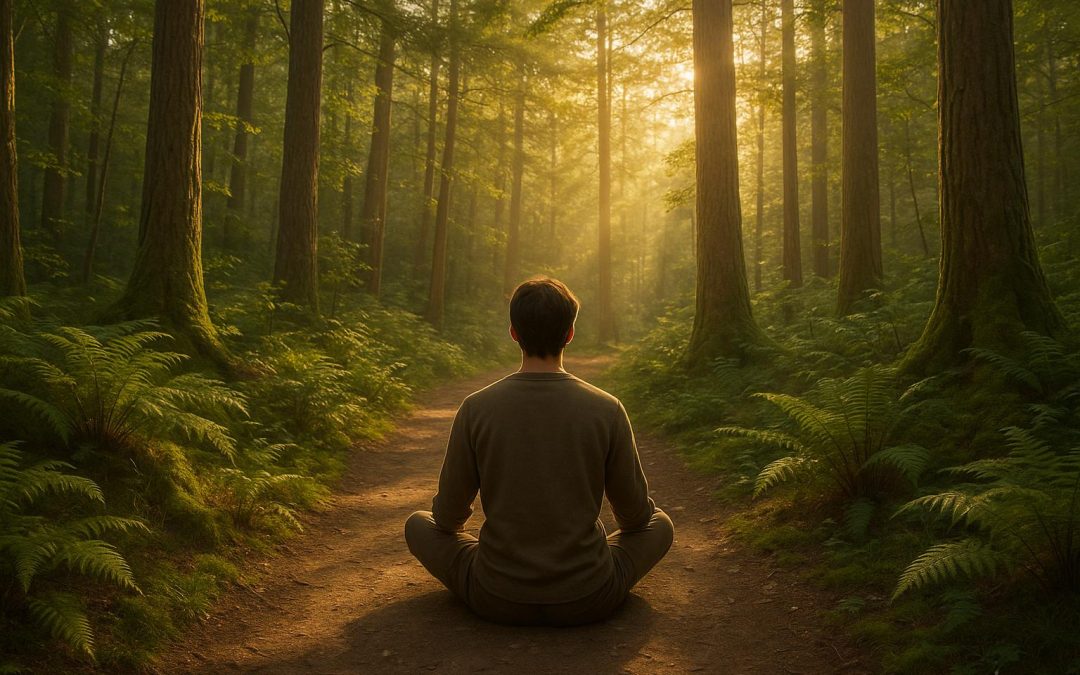
Spending time in nature can help you manage stress, improve your mood, and build emotional resilience. Research shows that even short outdoor experiences – like a 10-minute walk – can lower anxiety, while longer immersion in natural settings reduces stress and boosts mental clarity. Here’s how nature supports emotional resilience:
- Lowers stress: Forests and parks reduce cortisol, the stress hormone, by up to 12.4%.
- Improves mood: Sunlight increases serotonin levels, while fresh air enhances brain function.
- Clears the mind: Sounds like birdsong and scents like pine ease anxiety and sharpen focus.
- Resets perspective: Awe-inspiring natural sights, like waterfalls, reduce mental overwhelm.
- Builds connections: Group activities in nature strengthen social bonds and emotional support.
Even small, regular interactions with nature – like visiting a local park or sitting outside – can make a big difference in your emotional well-being. For a deeper experience, structured retreats like those at the Elohee Retreat Center in North Georgia offer guided activities to amplify these benefits.
Guest Speaker — Renee Dumas: Nature’s Resilience Boost
1. Natural Settings Lower Stress Levels
Studies show that spending time in forests and parks can noticeably reduce stress. For instance, a 2019 meta-analysis revealed that engaging in forest bathing – a Japanese practice centered around immersing oneself in nature – led to an average 12.4% drop in cortisol levels, the hormone our bodies release in response to stress.
This calming effect can be attributed to the sensory experiences nature offers. The vibrant colors of trees and plants, the gentle sounds of flowing water, and the earthy scents of the outdoors work together to soothe the mind and body. Areas with diverse plant life or water features tend to amplify these benefits.
Take the Elohee Retreat Center in North Georgia as an example. Spanning 220 acres and featuring a stunning 100-foot waterfall canyon, it showcases how powerful nature can be in reducing stress.
The biophilia hypothesis helps explain this phenomenon, suggesting that humans have an inherent connection to nature. Even short visits to natural settings – just 20 to 30 minutes – can spark a relaxation response and lead to noticeable mood improvements.
2. Sunlight and Fresh Air Improve Mood
Sunlight plays a key role in boosting mood by triggering the release of serotonin, a chemical that helps regulate mood, appetite, and sleep patterns through complex biochemical processes. A 2020 study revealed that spending just 20–30 minutes in morning sunlight can help stabilize your circadian rhythm, which directly impacts emotional balance. Plus, sunlight exposure increases vitamin D levels – a nutrient essential for brain development and emotional health.
Fresh air in natural settings adds another layer of benefits. These environments are rich in negative ions and phytoncides, plant-derived compounds that combat mental fatigue and improve cognitive performance. Together, these elements create a supportive environment for emotional well-being:
| Air Quality Factor | Emotional Benefit |
|---|---|
| Negative Ions | Reduces inflammation and lifts mood |
| Phytoncides | Lowers cortisol levels and alleviates stress |
| Higher Oxygen Levels | Boosts mental clarity and brain function |
When combined, the mood-enhancing effects of fresh air and sunlight become even more powerful. For instance, the Elohee Retreat Center offers an ideal setting to experience these benefits firsthand. With its 220-acre property featuring pristine mountain air and natural light streaming through the forest canopy, it creates the perfect environment for emotional renewal.
Spending time outdoors – especially during peak daylight hours in the morning – can have a profound impact on emotional health. Even on cloudy days, natural light provides the full spectrum needed for mood regulation. Research shows that just two hours a week in nature significantly improves well-being and mental health.
3. Nature’s Sounds and Scents Clear the Mind
Nature doesn’t just soothe our nerves – it clears the mental clutter, too. The gentle rustle of leaves, the melody of birdsong, and the rich, grounding aroma of pine can shift our mental state entirely. Research suggests these natural sensory elements create a calm focus in our brains, melting away mental fatigue.
The connection between nature and our well-being isn’t just anecdotal – it’s physiological. Here’s how different sensory elements influence our body and mind:
| Sensory Element | Physical Response | Mental Benefit |
|---|---|---|
| Birdsong | Lowers blood pressure | Boosts focus |
| Forest scents | Reduces stress hormones | Eases anxiety |
| Sounds of moving water | Soothes the nervous system | Sharpens concentration |
These quick physical reactions highlight why nature is so effective at building emotional resilience.
"Forest bathing among the trees activates pleasure points in the brain", says Daniel McNickle, an AP Psychology teacher.
The effect becomes even more powerful when multiple sensory elements work together. Take the Elohee Retreat Center in North Georgia, for example. Its 220-acre property surrounds visitors with the soothing sounds of waterfalls, the earthy scents of the forest, and the lively calls of wildlife. This harmony of sensory experiences creates the perfect environment for clearing the mind and resetting emotionally.
Research from the University of Exeter underscores the long-term benefits of regular exposure to nature. People with consistent access to green spaces report significantly lower levels of mental distress over time. Even brief moments immersed in nature can lift your mood and ease anxiety.
To tap into these benefits, try this: breathe deeply, tune in to the sounds around you, and let your mind settle on the natural world. This kind of mindful presence activates nature’s restorative power, offering immediate calm and lasting emotional strength.
sbb-itb-77c7b55
4. Natural Wonders Help Reset Perspective
Standing before towering mountains or watching the sheer power of a waterfall can leave you in awe – and that awe does something remarkable. According to research published in Nature Mental Health, these grand natural landscapes trigger a "soft fascination" in the brain. This response helps create some mental distance from immediate worries, making personal challenges feel less overwhelming. It’s no wonder nature retreats often center around such breathtaking features.
Take the Elohee Retreat Center in North Georgia, for example. Nestled in a canyon with a 100-foot waterfall, it offers visitors the chance to experience awe firsthand. This kind of environment not only encourages resilience but also strengthens social connections.
Even brief moments in nature make a difference. Studies show that just 10 minutes outdoors can boost your mood, while spending 30–60 minutes surrounded by nature can reduce stress for days – or even weeks. Let your senses take the lead: listen to the rush of water, feel the cool mist on your skin, and take in the vast landscapes. These sensory experiences actively disrupt stress and help restore a sense of balance.
What’s even more fascinating is how long these effects can last. Research suggests that encounters with awe-inspiring natural settings can reshape how we handle daily stressors, with benefits to emotional resilience that persist for up to three months.
5. Nature Retreats Build Group Connections
Spending time in nature as a group can create powerful bonds that strengthen emotional resilience. At Elohee Retreat Center, the mix of mindful practices and shared outdoor activities not only helps individuals reduce stress but also fosters a sense of togetherness.
Shared experiences in natural settings build on the sensory benefits individuals gain, creating opportunities for deeper connections. Elohee’s sprawling 220-acre property is the perfect backdrop for this. Activities like forest bathing encourage collective mindfulness, while guided hikes along the trails inspire teamwork and shared discovery. The breathtaking 100-foot waterfall canyon becomes a serene setting for group meditation and breathwork, helping participants connect emotionally and enhance their awareness.
Daniel McNickle, an AP Psychology teacher, explains this phenomenon well:
"Nature-based group activities stimulate pleasure centers in the brain and foster creativity, which are linked to improved emotional well-being".
Research shows that the social bonds formed during nature retreats often evolve into lasting support networks, helping participants manage daily stress and maintain their overall well-being.
When groups engage in mindful activities together, they often experience:
- A shared sense of calm through collective meditation
- Stronger mutual support during group challenges and discussions
- Deeper trust through open and vulnerable sharing
The magic of building these connections lies in creating a safe, welcoming space where participants feel at ease sharing their thoughts and emotions. Elohee’s skilled facilitators play a crucial role, guiding these interactions with care and ensuring everyone’s emotional journey is honored. This thoughtful approach helps participants form meaningful bonds that last well beyond the retreat.
Conclusion
Research shows that spending time in nature can significantly boost emotional resilience. This happens through five main pathways: reducing stress via physical changes in the body, improving mood with exposure to sunlight and fresh air, calming the mind with nature’s soothing sounds and scents, shifting perspective through awe-inspiring natural settings, and strengthening social bonds through shared outdoor activities. These benefits are accessible in a variety of environments, not just remote or specialized locations.
Even small, everyday interactions with nature – like a quick walk in a nearby park or a moment of mindfulness outdoors – can make a meaningful difference. Studies consistently find that people living in areas with more greenery report lower levels of mental distress and higher overall life satisfaction.
For those seeking a more immersive experience, places like the Elohee Retreat Center offer structured opportunities to deepen this connection. Guided activities and mindfulness practices here amplify nature’s positive effects on emotional well-being. However, the key to building lasting emotional resilience lies in maintaining a regular connection with nature, whether through retreats or simple daily habits.
FAQs
What are some simple ways to connect with nature daily to boost emotional resilience?
Incorporating nature into your daily life doesn’t have to be complicated – it can be both simple and deeply rewarding. Here are a few ways to get started:
- Take a walk outside: A quick stroll through a park or around your neighborhood can do wonders for reducing stress and lifting your spirits.
- Bring greenery indoors: Houseplants or fresh flowers can add a soothing, natural vibe to your home or workspace.
- Be mindful in nature: Spend a few quiet minutes outdoors each day, paying attention to the sights, sounds, and scents around you.
- Dine al fresco: Having your breakfast or lunch outside can be a refreshing way to reset your mind and enjoy the fresh air.
For those craving a deeper connection with nature, a visit to a peaceful retreat might be just what you need. Take the Elohee Retreat Center in North Georgia, for example. With its serene atmosphere, breathtaking waterfall canyon, and miles of scenic trails, it’s the perfect backdrop to recharge emotionally and reconnect with yourself through the beauty of the natural world.
What activities at Elohee Retreat Center can help improve my emotional resilience?
At Elohee Retreat Center, you’ll find plenty of ways to strengthen your emotional well-being. Stroll along peaceful trails that wind through lush, diverse landscapes. Relax and recharge at the spa, or join retreats focused on reducing stress, self-discovery, and healing. With its calming atmosphere and a stunning 100-foot waterfall canyon, this retreat offers an ideal space to reconnect with yourself and the natural world.
Is there scientific evidence that spending time in nature improves mental health?
Yes, plenty of research confirms that spending time in nature can have a big impact on mental well-being. Studies show that being outdoors in natural settings can help reduce stress, boost your mood, sharpen focus, and even ease symptoms of anxiety and depression. For instance, walking through green spaces or simply being surrounded by nature has been shown to lower cortisol levels, the hormone your body releases when you’re stressed.
If you’re ready to tap into these benefits, the Elohee Retreat Center in North Georgia offers a peaceful escape. Surrounded by lush forests, a stunning 100-foot waterfall canyon, and miles of quiet trails, it’s the perfect spot to recharge, find calm, and strengthen your emotional health.
Recent Comments