
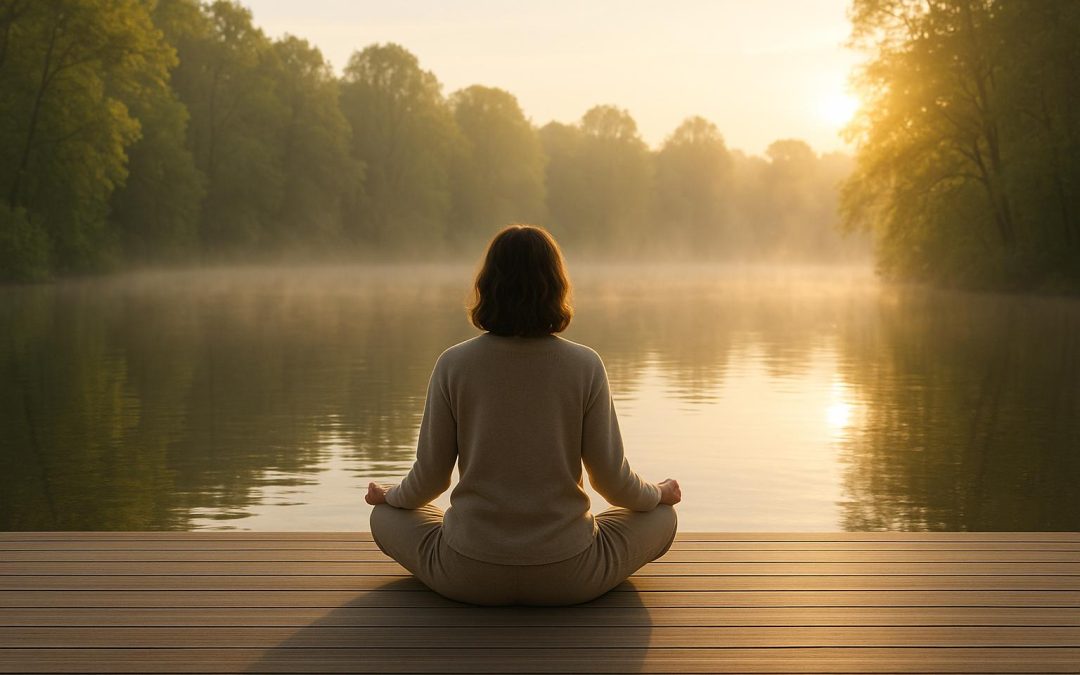
A spiritual retreat can be the perfect remedy when life feels overwhelming, disconnected, or stagnant. It offers a chance to pause, reflect, and reconnect with yourself and nature. Here are seven signs you might need one:
- Stress and Burnout: Constant stress, poor sleep, and irritability signal it’s time to step back and recharge.
- Feeling Disconnected: Whether from yourself or others, a retreat can help realign your emotions and relationships.
- Navigating Life Changes: Big transitions can leave you feeling lost. A retreat provides clarity and guidance.
- Exhaustion: Persistent fatigue, both physical and emotional, may indicate the need for rest and renewal.
- Craving Nature: If you’re yearning for outdoor serenity, a retreat in nature can restore balance.
- Seeking Growth: When you’re searching for deeper meaning or purpose, a retreat can help you explore your inner self.
- Letting Go of Negativity: Struggling to release toxic patterns or relationships? A retreat creates space for healing and moving forward.
Where to Go: The Elohee Retreat Center in North Georgia offers 220 acres of serene landscapes, including hiking trails and a 100-foot waterfall. With programs focused on mindfulness, meditation, and nature immersion, it’s an ideal destination for renewal.
Quick Tip: Recognizing these signs early can help you take action and prioritize your well-being. A retreat isn’t just a break – it’s an opportunity for lasting change.
Signs You Need To Go On A Personal Retreat
1. You Feel Overwhelmed or Constantly Stressed
When stress becomes a constant companion, it’s often a sign that your mind and body are crying out for a pause from the endless demands of modern life.
Emotional and Mental Well-being
The signs of being mentally and emotionally overwhelmed can sneak up on you, but they’re often more apparent than you think. Struggling to sleep, feeling less productive, getting irritated easily, changes in appetite, frequent illnesses, trouble concentrating, and simply not feeling like yourself are all signals of burnout. These are clear indicators that it’s time to prioritize your mental health and take a step back.
"When was the last time you took a moment to pause, breathe deeply, clear your mind and unwind? In our constantly moving society, with seemingly never-ending to-do lists and the hustle and bustle of everything happening around us, it can be easy to forget to take a breather when you need it." – UChicago Medicine AdventHealth
Stress doesn’t just affect your mind – it can take a toll on your body too. It weakens your immune system, leaving you more vulnerable to illness. Unfortunately, this can create a vicious cycle: stress makes you sick, and being sick adds to your stress.
This is where nature steps in as a powerful remedy.
Connection with Nature and Self
Science backs up what many of us instinctively feel – nature has a calming, healing effect. Spending just 20 to 30 minutes in a natural setting can significantly reduce cortisol levels (the stress hormone) while increasing endorphins and dopamine, which elevate mood and promote relaxation. It can also lower your heart rate and blood pressure. Psychologists often refer to this as "gentle engagement", where nature provides enough stimulation to keep your mind occupied without overwhelming it.
Restorative and Retreat Features
If stress has you feeling stuck, a retreat that combines holistic therapies with the healing power of nature can be life-changing. Wellness retreats are designed to ease both physical and mental tension while equipping you with tools to handle future stress.
Look for retreats that offer digital detoxes, yoga, guided meditation, breathing exercises, and sensory therapies like sound healing or aromatherapy. These experiences can quickly calm your mind and body. Plus, the sense of community at a retreat can help counteract the isolation that often comes with chronic stress.
Take the Elohee Retreat Center, for example. Nestled within 220 acres of serene landscapes, it offers hiking trails, a breathtaking 100-foot waterfall canyon, and holistic practices tailored to help you unwind. With space for up to 50 guests, it creates an intimate atmosphere where you can unplug from daily life and reconnect with yourself. The simplicity, quietness, and natural beauty of the environment make it an ideal place to find balance and heal.
2. You Feel Disconnected from Yourself or Others
If you’ve ever felt like you’re just going through the motions – detached from your feelings or the people around you – it might be a sign that something deeper needs attention. This sense of disconnection often signals the need to pause and realign with your inner self. It’s not just an emotional experience; it can show up physically too.
Emotional and Mental Well-being
Feeling out of touch with yourself can be unsettling. You might struggle to understand your emotions or find yourself overly focused on the small details of daily life. This emotional disconnection can lead to chronic stress, anxiety, physical health challenges, a lack of purpose, emotional numbness, or even feeling overwhelmed. Over time, it can leave you with a lingering sense of unfulfillment.
Connection with Nature and Self
One of the simplest ways to reconnect is through nature. Nature doesn’t demand anything from you – it simply provides space for reflection and clarity.
"Being present in nature doesn’t ask or require anything of us, so it frees up our mind to think more deeply and clearly about things." – Jodie M. Smith, APRN., C.N.P., D.N.P., M.S.N., Mayo Clinic Nurse Practitioner
Spending time in nature does more than just lift your mood. Studies show that people who feel connected to nature are often happier and more likely to view their lives as meaningful. Nature has a unique way of sparking positive emotions like calmness, joy, and creativity, helping you focus on what truly matters.
Support for Personal Growth and Transitions
Reconnecting with your true self takes effort, but it’s worth it. Start by identifying what’s not working in your life. Reflect on the habits or patterns that might be holding you back and consider adopting healthier routines. Self-reflection can be a powerful tool for uncovering your genuine feelings and desires.
"When you reconnect with your most authentic self, everything else falls into place." – Jada Butler, Therapist
Once you’ve reconnected with yourself, building deeper, more meaningful relationships with others becomes easier. This process often involves setting boundaries, prioritizing your needs, and making small, intentional changes in your daily life. For many, a retreat setting can be a great way to jumpstart this journey, offering structure and support for personal growth.
Restorative and Retreat Features
Spiritual retreats are designed to help you explore your inner world, build self-awareness, and form authentic connections. Look for retreats that incorporate mindfulness practices, meditation, yoga, time in nature, and opportunities for community building. These elements work together to help you peel back the layers of stress and societal expectations, revealing your true self.
The right retreat environment can make all the difference. Stepping away from the noise of daily life allows you to focus on what really matters. A destination like Elohee Retreat Center, with its serene natural surroundings and welcoming community, provides an ideal space for this kind of deep, personal work. It’s a place where you can reconnect with yourself and others in a meaningful way.
3. You Want Change or Need Life Transition Support
Life transitions can be tough – whether it’s a career change, a shift in a relationship, or just the sense that you’re ready for a new chapter. These moments often leave us feeling unsettled, unsure of what’s next. That’s where a spiritual retreat can help. It provides a much-needed pause, offering space to quiet the emotional chaos that often comes with big changes.
Emotional and Mental Well-being
Big changes stir up a lot of emotions – excitement about what’s ahead, anxiety about the unknown, and sometimes even fear. It’s completely normal, but these emotions can make it hard to think clearly when you need clarity the most. Studies show that over 60% of people who participate in wellness programs report noticeable improvements in their mental health and ability to manage stress. A retreat creates a calm environment where you can process these feelings and reconnect with your inner voice.
Support for Personal Growth and Transitions
Spiritual retreats are designed to guide you through life’s transitions. They provide structured time to reflect on what matters most and align your path with your core values. Stepping away from your daily routine creates the space to focus on life’s bigger questions. Many retreats incorporate symbolic and body-centered practices to help you explore your journey more deeply. This process can lead to clarity and practical steps for moving forward.
Whether you’re trying to make a specific decision or just need support during a challenging time, understanding your intentions is essential. Choosing a retreat that aligns with your needs will make the experience even more meaningful.
Restorative Retreat Features
The best retreats are designed to support introspection and personal growth. Look for ones that include activities like mindfulness practices, symbolic rituals, or body-focused exercises. A natural setting can amplify the experience, providing the perfect backdrop for reflection. For example, the Elohee Retreat Center in North Georgia offers 220 acres of serene trails and a stunning 100-foot waterfall canyon. It’s a place where nature itself becomes part of the healing process.
Approach your retreat with an open mind. While transformation doesn’t happen overnight, the insights and tools you gain can lay the groundwork for lasting growth.
4. You Feel Physically and Emotionally Drained
Feeling completely drained – both physically and emotionally – goes far beyond everyday tiredness. It’s a persistent fatigue that no amount of sleep seems to cure.
Emotional and Mental Well-being
Emotional exhaustion is one of the clearest signs of burnout. It can manifest as anxiety, depression, a sense of hopelessness, and mental fog. Physically, it often brings headaches, muscle tension, poor sleep, and even digestive problems. For example, about 40% of people diagnosed with major depressive disorder report experiencing fatigue. Studies also reveal that women are more likely to report job burnout than men. In high-stress fields like healthcare, burnout is alarmingly common – impacting over 54% of nurses and doctors, as well as nearly 60% of medical students and residents.
Reconnecting with Nature and Yourself
When you’re emotionally drained, it’s easy to feel disconnected – from yourself, your priorities, and even the world around you. Taking time for a spiritual retreat can help you pause and listen to your inner voice, away from the constant demands of daily life. Research suggests that mindfulness practices during retreats can account for up to 50% of the psychological improvements participants experience. Spending time in nature also plays a huge role in recovery. Activities like forest bathing have been shown to lower cortisol levels and strengthen immune function, helping to reset your nervous system.
Features of Restorative Retreats
Nature’s healing power is just the starting point. The best retreats go further, offering practices that focus on healing your mind, body, and spirit. Look for retreats that include mindfulness exercises, meditation, and activities that help you process emotions and develop healthier coping strategies. Incorporating periods of silence during a retreat can also calm your nervous system, giving your body the deep rest it needs.
For those dealing with severe exhaustion, retreats that provide therapeutic support can be especially helpful. Programs that include nutrition counseling to address stress-related nutrient deficiencies and sleep coaching to tackle insomnia are particularly effective. For example, the Elohee Retreat Center, set on 220 acres with peaceful trails and a breathtaking 100-foot waterfall, offers an ideal environment for relaxation and healing.
When choosing a retreat, aim for one that provides a lasting reset for your nervous system and prioritizes therapeutic work over quick fixes.
sbb-itb-77c7b55
5. You Want a Deeper Connection with Nature
Craving fresh air, open spaces, and the serenity of the outdoors? This could be a clear sign that a spiritual retreat might be just what you need. Spending too much time indoors, surrounded by concrete and screens, often leaves us disconnected from the natural rhythms that help ground and restore us.
Emotional and Mental Well-being
Spending time in nature isn’t just refreshing – it’s scientifically proven to boost mood, reduce anxiety, and improve focus. Nature has a remarkable ability to regulate the nervous system quickly and effectively. For example, during the COVID-19 pandemic, nearly 45% of people in the UK reported that visiting green spaces like parks helped them manage stress.
For those navigating challenges like depression, anxiety, PTSD, or ADHD, immersing in nature can be a practical and healing coping method. It lowers cortisol levels – the stress hormone – and fosters calmness and relaxation. Studies show that even two hours a week spent in nature leads to noticeable improvements in health and well-being. This calming environment creates the perfect space for meaningful inner reflection.
Connection with Nature and Self
Nature offers a rare gift: a pause from endless to-do lists and constant demands. Its simplicity acts as a grounding force, encouraging introspection and self-discovery.
"Exposure to green space results in mental restoration and increased positive emotions and decreased anxiety and rumination. Improved mindfulness can result from exposure to green space as well."
– Heather Eliassen, professor of nutrition and epidemiology, Harvard T.H. Chan School of Public Health
Feeling connected to nature often translates to greater happiness and a stronger sense of purpose. This bond with the natural world sparks positive emotions like joy, calmness, and creativity, while also improving concentration. It’s not just about recharging your spirit – it’s about finding the strength and clarity for personal growth.
Restorative and Retreat Features
Nature-based retreats take these mental and emotional benefits to the next level. Many retreats encourage a digital detox, helping you unplug from screens and fully immerse yourself in the natural world. Activities like guided nature walks, meditation in outdoor settings, and yoga surrounded by greenery combine physical well-being with mindfulness. Forest bathing – spending intentional time in a forest environment – has been shown to significantly reduce stress and enhance overall health. Retreats located in diverse ecosystems can further amplify these benefits.
Look for retreats that prioritize sustainable practices and offer fresh, locally sourced meals. For instance, the Elohee Retreat Center, set on 220 acres of trails and featuring a breathtaking 100-foot waterfall, provides an ideal space to disconnect from daily pressures and reconnect with both yourself and the earth.
The goal is to nurture a lasting connection with nature that extends beyond the retreat. Simple habits like listening to birdsong, touching the bark of a tree, or bringing plants into your home can help maintain this connection long after you’ve returned to your daily routine.
6. You’re Looking for Spiritual or Personal Growth
Feeling the pull for deeper meaning or questioning your path? This could be a sign that you’re ready for a spiritual retreat – a space designed to nurture both self-reflection and connection with others.
Emotional and Mental Well-being
When life feels stagnant, uninspiring, or uncertain, it might be time to pause and reassess your values and goals. Practices like meditation, yoga, and mindful eating have been shown to ease anxiety and depression, offering noticeable mental health benefits.
"Change often beckons to us as frustration and overwhelm with our current circumstances. Change feels scary, so navigating the journey within to acknowledge what needs to change can be daunting without a guide."
– Tanishka The Moon Woman, Author, Speaker, and Retreat Leader
A retreat environment provides the space to explore these feelings, fostering self-awareness and creativity while improving mental health. For women especially, holistic practices such as yoga and mindfulness have been proven to reduce stress by an average of 35%. These mental shifts often lead to a natural desire for deeper personal growth.
Support for Personal Growth and Transitions
If you’re yearning for more than just surface-level changes, personal development retreats can help you uncover new insights and create meaningful transformations. With experienced facilitators to guide the process, these retreats offer the tools and support needed to align your evolving values with your daily life.
Restorative Retreat Features
Spiritual retreats provide a chance to step away from the noise of everyday life and reconnect with your inner self. Through meditation, breathwork, silence, and time spent in nature, participants can experience profound renewal. Many retreats feature structured activities like sound healing, workshops, and mindfulness practices, all aimed at reducing stress and improving emotional well-being.
Elohee, for instance, offers a tranquil setting that encourages both personal reflection and community building. Activities like journaling, meditation, and group discussions help clarify thoughts and emotions while fostering connections with like-minded individuals. This balance of solitude and shared experiences creates a foundation for meaningful growth and spiritual development that extends far beyond the retreat itself.
7. You’re Ready to Let Go of What Doesn’t Help You
Sometimes the heaviest burdens we carry aren’t physical – they’re emotional. Whether it’s toxic relationships, a job that leaves you feeling empty, or negative thought patterns that drain your energy, holding onto these things can weigh you down. If you find yourself stuck in cycles of negativity or losing touch with who you are, it’s a signal that change is overdue.
Emotional and Mental Well-being
Letting go starts with honesty. If you’re constantly stressed, anxious, or feeling drained after certain interactions, your mind and body are trying to tell you something. Maybe you’ve been compromising your values or enduring situations that bring no peace. These feelings often show up as unhappiness, a restless mind, or even dread when facing certain activities.
"Sometimes you have to let go to make space for what’s meant for you." – Mats Frederickx
Letting go isn’t just about getting rid of negativity – it’s about making room for growth. A helpful approach is to focus on the facts of a situation instead of getting caught up in emotions. This shift in perspective allows you to make decisions rooted in love and clarity, not fear. Once you achieve this clarity, it becomes easier to release the weight you’ve been carrying.
Connection with Nature and Self
Nature has a unique way of grounding us, easing stress, and calming anxiety. Studies reveal that staying connected to the natural world can lower levels of depression and anxiety. During the COVID-19 pandemic, for instance, 45% of people in the UK found that spending time in green spaces helped them manage their stress. By engaging your senses – feeling the breeze, hearing birdsong, or simply observing the beauty around you – nature helps you stay present, making it easier to reflect on your thoughts and emotions without judgment.
Support for Personal Growth and Transitions
Letting go is a personal journey, but it becomes much easier when you’re in a supportive environment. Spiritual retreats, for example, provide the structure and tools you need to process emotions and release old burdens. Practices like journaling or guided ceremonies create a safe space for this inner work.
"When you step into a retreat, you’re stepping out of your everyday environment, leaving behind the distractions and noise that make it hard to truly process and release. It’s a space designed for you to do the deep work of letting go so you can step into a lighter, freer version of yourself." – Shannon Jamail, Founder and Creator of Mind & Body Complete
Restorative and Retreat Features
A well-designed retreat offers more than just time away – it creates a space for vulnerability and clarity. By stepping out of your usual routine, you can recover from the mental exhaustion that comes with holding onto what no longer serves you. This clarity allows you to make better decisions and move forward with purpose.
Take the Elohee Retreat Center, for example. Nestled within 220 acres of diverse landscapes, it offers a tranquil environment perfect for reflection. With features like a 100-foot waterfall canyon and miles of serene trails, Elohee provides the ideal backdrop for shedding emotional weight. Whether you’re walking through the forest or sitting by the cascading waterfall, these natural spaces encourage deep introspection and healing.
"In the process of letting go, you will lose many things from the past, but you will find yourself." – Deepak Chopra
The benefits of a retreat don’t end when you leave. These experiences equip you with tools and practices that can be woven into your daily life. By maintaining the space you’ve created, you open the door to new opportunities, meaningful relationships, and a deeper sense of joy.
Types of Retreats Comparison
Finding the right retreat depends on what you’re seeking – whether that’s inner peace, a deeper connection with nature, or a blend of mental, physical, and spiritual renewal. Here’s a quick breakdown to help you decide which retreat might align with your goals.
Meditation-Focused Retreats are all about mindfulness and mental clarity. These retreats guide participants through practices like silent meditation, breathing exercises, and mindfulness techniques. They’re perfect if you’re looking to quiet a busy mind, work through anxiety, or strengthen your ability to focus. Many participants spend significant time in silence, practicing methods like loving-kindness meditation to foster a sense of calm and inner balance.
Nature-Based Retreats offer a chance to step away from the digital world and reconnect with the natural one. If you’re feeling overwhelmed by city life or detached from the environment, these retreats can be incredibly grounding. Activities often include hiking, forest bathing, and meditation in outdoor settings, all aimed at helping you sync with nature’s rhythms and recharge your spirit.
Holistic Wellness Retreats take a more integrated approach, addressing the mind, body, and spirit together. These retreats often include yoga, meditation, and healing therapies, paired with nutritious, locally sourced meals. They’re designed to not only relax you but also promote clarity, detoxification, and spiritual growth, making them a great choice for those seeking a full-spectrum wellness experience.
| Retreat Type | Ideal For | Key Activities | Primary Focus |
|---|---|---|---|
| Meditation-Focused | Quieting the mind, anxiety relief, mental clarity | Silent meditation, breathing techniques, mindfulness | Inner peace and mental discipline |
| Nature-Based | Disconnecting from tech, urban stress relief | Hiking, forest bathing, outdoor meditation | Grounding and connection to nature |
| Holistic Wellness | Comprehensive healing and renewal | Yoga, healing therapies, organic meals | Mind-body-spirit alignment |
Elohee Retreat Center is a shining example of how these retreat types can come together harmoniously. Nestled in the Blue Ridge Mountains, Elohee offers a serene environment where diverse ecosystems and tranquil surroundings create the perfect backdrop for personal growth and reflection.
"Discover the transformative power of nature." – Elohee.org
Elohee’s retreats cater to a variety of needs. For instance, the Breathe Retreat: Return to Yourself (August 21–24, 2025) is designed for women seeking to reconnect with their authentic selves. There’s also the Journey Home to Yourself: Return to Radiance (October 3–5, 2025), which focuses on movement and presence practices to rediscover your inner light. Other offerings include Reflection – Letting Go of Egos, Beliefs, and Fears (October 30–November 2, 2025) and Cracked Open: A Heart Awakening Retreat for Sensitives & Intuitives (February 19–22, 2026).
"It’s more than a retreat; it’s where your heart meets nature, where peace meets purpose." – Elohee.org
Elohee’s unique setting supports all three retreat styles. The peaceful surroundings are ideal for deep meditation, the mountain trails encourage immersive nature experiences, and the holistic programming nurtures wellness from every angle. With space for up to 50 guests across its three main areas – Landsong, Bald Mountain Center, and Thanksgiving House – Elohee balances the intimacy of personal reflection with the warmth of community connection.
Conclusion
After diving into the seven signs of spiritual fatigue, it’s evident that recognizing these inner signals is the first step toward renewal. Acknowledging when you need a spiritual retreat isn’t just about taking a break – it’s about embracing healing and growth. The signs we’ve discussed, from feeling overwhelmed and disconnected to longing for a deeper connection, are your inner compass pointing toward change. Research supports this, with a 2015 Barna Group poll finding that one in three Christians in ministry experience burnout, and half of pastors report symptoms of spiritual exhaustion. These numbers highlight just how common spiritual fatigue can be.
"Spiritual burnout occurs when the demands of spiritual commitment become overwhelming, leading to exhaustion and a significant reduction in engagement and fulfillment in spiritual activities." – Ministry Brands
Identifying these signs early allows you to take action, incorporating self-care and spiritual practices that can help reduce the impact of burnout. Whether it’s physical exhaustion, emotional drain, or feeling disconnected, noticing these warning signs is already a step toward healing. Each one is an invitation to restore balance to your mind, body, and spirit.
Once you’ve recognized the need for renewal, finding the right environment to support your journey becomes essential. Elohee Retreat Center offers a sanctuary designed for this purpose. Nestled in the Blue Ridge Mountains, just 90 miles from Atlanta, Elohee was created as a haven for spiritual and physical healing. Founded by Eve Cook during her own cancer journey, the center reflects her vision of a place where nature and community come together to nurture healing.
"It’s more than just a retreat center; it’s a heartfelt dream woven into reality, a sanctuary where every soul can find solace, healing, and a sense of belonging." – Elohee Retreat Center
What sets Elohee apart is its focus on holistic healing. With programs that integrate meditation, yoga, nature immersion, and creative arts, the center supports renewal on every level – mind, body, and spirit. Accommodations for up to 50 guests are spread across three serene areas: Landsong, Bald Mountain Center, and Thanksgiving House, offering both solitude for introspection and opportunities for meaningful connections.
The natural surroundings at Elohee do more than inspire – they actively promote healing. Studies have shown that being in nature can lower cortisol levels, improve sleep, and spark creativity. The peaceful environment becomes a catalyst for reconnecting with yourself and what truly matters.
"Nature reminds us we’re part of something bigger. It brings us back into our bodies. Into the moment. It quiets the noise and turns up the volume on what really matters most in life." – Kyle Pearce
Whether you’re seeking clarity, grounding, or a complete renewal, Elohee provides the space for transformation. Recognizing your need for a spiritual retreat is the first step. Elohee offers the nurturing environment where that recognition can blossom into lasting growth and a deeper connection to your spiritual self.
FAQs
What can I experience during a spiritual retreat at Elohee Retreat Center?
At the Elohee Retreat Center in North Georgia, you’ll discover a tranquil hideaway perfect for reconnecting with yourself and the natural world. Surrounded by breathtaking mountain vistas and a peaceful waterfall canyon, guests can immerse themselves in activities like yoga, meditation, hiking, and mindfulness practices.
Elohee offers inviting accommodations, wholesome meals, and an array of workshops designed to encourage self-discovery, personal growth, and healing. Whether you’re looking for a fresh perspective, inner peace, or simply a chance to recharge, this retreat provides a supportive and calming environment for your journey.
How do I know when it’s time to go on a spiritual retreat?
Feeling overwhelmed, disconnected, or unsure about your purpose? These could be signs that it’s time to consider a spiritual retreat. Whether it’s burnout, a yearning for clarity, or a need to reconnect with yourself and the natural world, these feelings often signal the need for a pause. If you’ve been craving peace, time for reflection, or a fresh outlook, this might be the perfect opportunity to step back and recharge.
A spiritual retreat offers a chance to reset and refocus, whether your goal is personal growth, emotional healing, or simply a break from the pressures of everyday life. Many find that a retreat lasting 3 to 7 days strikes the right balance – giving you enough time to fully immerse in the experience without feeling rushed or exhausted. Trust your instincts. When you feel that pull to pause and reconnect, it’s usually the right moment to take that step.
What kinds of activities can you expect at a spiritual retreat to support personal growth and renewal?
Spiritual retreats are thoughtfully crafted to help individuals reconnect with themselves and restore a sense of balance. They often feature activities like meditation, breathwork, mindfulness exercises, and journaling – all aimed at encouraging self-reflection and cultivating inner peace. Many retreats also incorporate nature walks, healing rituals, and prayer or devotional practices, adding depth to the overall experience.
In addition to individual practices, group activities such as guided discussions and shared spiritual exercises are a key part of many retreats. These foster a sense of connection and build a supportive community. Together, these experiences encourage personal growth, emotional healing, and a renewed sense of purpose, leaving participants feeling both recharged and inspired.
Recent Comments