
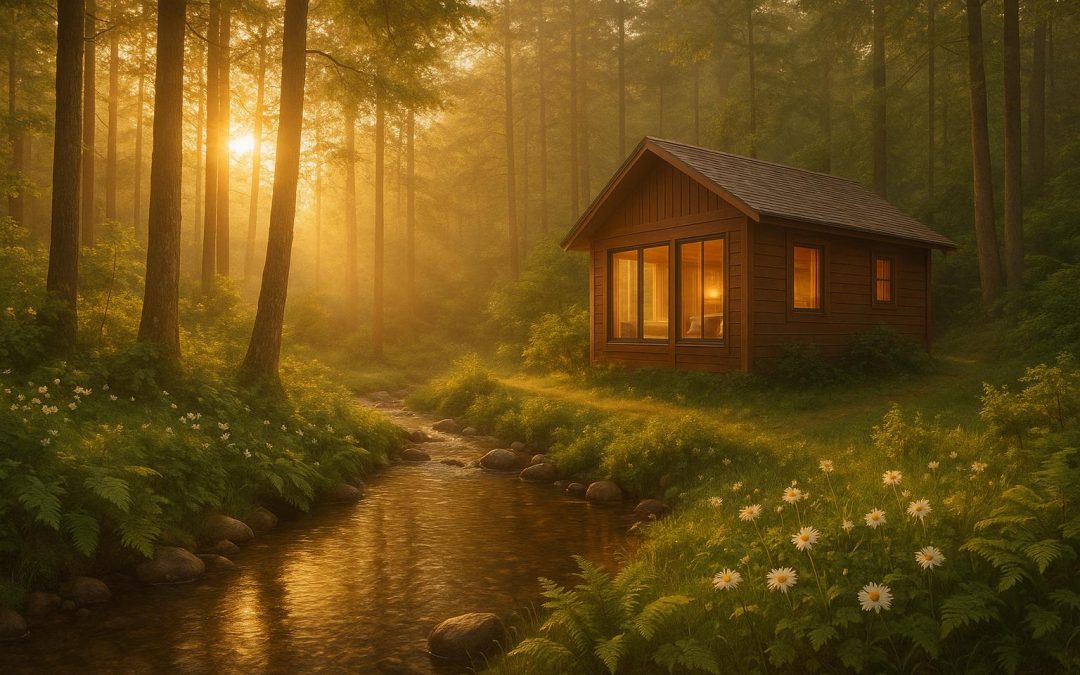
Struggling to get quality sleep? Spending time in nature can reset your body’s natural rhythms and improve your rest. Here’s how:
- Fresh Air: Clean, oxygen-rich air supports deeper breathing and better sleep.
- Natural Light: Sunlight helps regulate your sleep-wake cycles.
- Calm Surroundings: Quiet, peaceful settings reduce stress and make it easier to relax.
At places like Elohee Retreat Center in the Blue Ridge Mountains, these elements come together with activities like yoga, nature walks, and sound meditations to enhance sleep quality. Even at home, you can apply these ideas – like reducing screen time, using natural sounds, and improving your bedroom environment – to sleep better every night.
Ready to explore how nature can transform your sleep? Let’s dive in.
Nature-Inspired Sleep Meditation: Let Go of Stress & Drift Off Naturally
Research on Nature and Sleep Quality
Spending time in nature has been shown to lower stress levels and encourage relaxation – both of which are crucial for getting restorative sleep. One standout factor in this connection is the calming effect of natural sounds.
Natural Sounds and Relaxation
The gentle rustling of leaves or the rhythmic flow of water can create a serene environment that makes it easier to drift off. For example, at the Elohee Retreat Center, the sound of a 100-foot waterfall cascading through a canyon provides a natural backdrop that soothes the mind and helps ease the transition to sleep. These natural soundscapes play a significant role in enhancing sleep quality.
Sleep-Improving Retreat Activities
Immersing yourself in nature’s soothing sounds while stepping back from technology helps your body sync with its natural rhythms. Cutting down on screen time plays a key role in improving sleep by reducing exposure to blue light, which disrupts your natural sleep-wake cycle.
Reducing Screen Time
At Elohee Retreat Center, the accommodations are designed to encourage tech-free evenings. Cozy reading nooks, gentle lighting, and serene natural views create the perfect setting for guests to unwind with a book, jot down thoughts in a journal, or enjoy quiet conversations. This intentional setup makes it easier to ease into a restful night’s sleep.
Setting Up Sleep-Ready Spaces
Creating an ideal sleep environment can significantly enhance the restorative benefits of a nature retreat. By thoughtfully incorporating elements like light, sound, and temperature control, guests are more likely to enjoy restful, rejuvenating sleep.
Morning Light Planning
Exposure to natural morning light plays a key role in regulating your circadian rhythm, making it easier to transition from sleep to wakefulness. At Elohee Retreat Center, the sleeping areas are designed to welcome soft, early sunlight while reducing the intensity of stronger mid-morning rays. Thanks to its unique canyon location, the retreat offers a gradual increase in natural light as dawn unfolds, aligning with studies that show environments optimized with natural elements can boost sleep efficiency from 79.6% to 88.8%. Once light is addressed, managing sound becomes the next priority for creating a serene space.
Noise Management
The sleeping quarters at Elohee are carefully positioned to take advantage of soothing natural sounds, which help mask disruptive noise and maintain a peaceful atmosphere.
Room Temperature Control
Maintaining the right room temperature is essential for restful sleep. At Elohee Retreat Center, sleeping spaces are designed to stay between 65–68°F (18–20°C), thanks to a combination of natural and architectural solutions:
| Temperature Control Method | Benefit |
|---|---|
| Natural cross-ventilation | Promotes fresh air flow |
| Thermal mass construction | Maintains temperature stability |
| Ceiling fans | Provides adjustable air movement |
The design also incorporates natural materials and thoughtful features – like high ceilings, proper insulation, and the surrounding forest canopy – to ensure comfort throughout the year. Bedding is another important element, with layers of organic cotton and wool that allow guests to adjust for personal comfort. These materials not only help regulate body temperature naturally but also avoid synthetic fabrics that could interfere with sleep.
sbb-itb-77c7b55
Maintaining Sleep Improvements at Home
The benefits of nature-based sleep improvements don’t have to end when you leave a retreat. By weaving some of those routines into your everyday life, you can maintain better sleep quality at home.
Building Night Routines
A solid nighttime routine is key to keeping the sleep rhythms you developed during a retreat. Here’s a simple schedule to guide your evenings:
| Time Before Bed | Activity | Purpose |
|---|---|---|
| 2 hours | Dim household lights | Encourages melatonin production |
| 90 minutes | Light stretching or gentle yoga | Eases physical tension |
| 60 minutes | Power down electronics, read | Reduces blue light exposure |
| 30 minutes | Breathing exercises or meditation | Settles the mind |
Adding Nature to Daily Life
You don’t need to live in the countryside to bring nature into your routine. Even in a busy city, small changes can help you stay connected to the calming effects of the natural world:
- Introduce a natural sound environment with a white noise machine featuring forest or stream sounds.
- Let morning sunlight gently brighten your room by using sheer curtains.
- Decorate with indoor plants like Snake Plants or Peace Lilies, which can help purify the air.
- Incorporate essential oils like pine, cedar, or eucalyptus for their soothing, forest-like aromas.
Consider transforming your bedroom into a restful, nature-inspired retreat. Add a small tabletop water fountain for the soft sound of flowing water, and use bedding made of natural materials like cotton, wool, or bamboo. Also, keep the room cool and maintain a steady temperature for optimal sleep.
Measuring Sleep Quality
To ensure these changes are working, track your sleep using both subjective and objective methods. Here’s how:
| Measurement Type | Method | What to Monitor |
|---|---|---|
| Subjective | Sleep diary | Energy levels, mood, dream recall |
| Physical | Morning pulse rate | Trends in resting heart rate |
| Environmental | Room thermometer | Consistent temperature |
| Digital | Sleep tracking app | Sleep cycles and duration |
Keep track of these metrics for about 30 days. This will help you spot patterns and fine-tune your setup for even better results.
Elohee Retreat Center‘s Sleep Program

Natural Sleep Features
Nestled within 220 acres of the Blue Ridge Mountains in North Georgia, the Elohee Retreat Center offers a serene environment ideal for restful sleep. The soothing sounds of a nearby waterfall canyon create a natural soundtrack that calms the mind and encourages relaxation. Guests can explore miles of woodland trails, which provide gentle exercise and mental clarity – both essential for better sleep. Additionally, the retreat’s location allows visitors to experience natural darkness cycles, which help regulate melatonin production and support a healthy sleep-wake rhythm. These natural elements lay the groundwork for an immersive sleep program.
Sleep-Focused Activities
Elohee combines its natural surroundings with thoughtfully designed activities to enhance relaxation and promote restorative sleep. Here’s a glimpse at what they offer:
| Location | Activity | Benefit |
|---|---|---|
| Mandala Hall | Morning yoga and meditation | Fosters calm and deep relaxation |
| Forest Studio | Evening relaxation sessions | Prepares the body and mind for restful sleep |
| Woodland Trails | Guided nature walks | Encourages physical activity and gentle fatigue |
| Waterfall Canyon | Sound meditation | Provides a soothing and tranquil auditory experience |
The retreat’s three unique areas – Landsong, Bald Mountain Center, and Thanksgiving House – offer diverse natural settings that complement the sleep program, helping guests align with their body’s natural rhythms. These activities not only improve sleep during the retreat but also encourage habits that can be sustained long after the visit.
Take-Home Sleep Skills
Elohee’s program goes beyond the retreat, equipping guests with practical tools to maintain healthy sleep habits at home. Here’s how:
| Skill Category | Technique | Application |
|---|---|---|
| Sound Therapy | Waterfall sound recordings | Using calming natural sounds for relaxation |
| Light Management | Natural wake-up routines | Supporting the body’s internal clock |
| Environment Design | Creating a sleep-friendly space | Adjusting home settings to encourage better sleep |
| Evening Practices | Nature-based relaxation | Developing a calming pre-sleep routine |
This holistic approach encourages guests to stay connected to nature, identifying elements that resonate with their personal sleep patterns. Whether at Elohee or back home, these techniques aim to foster long-term improvements in sleep quality and overall well-being.
Conclusion: Sleep Better Through Nature
Both scientific studies and everyday experiences highlight how nature plays a key role in improving sleep. Elements like natural light and calming sounds work together to create an environment that promotes deeper, more restorative rest.
Take the Elohee Retreat Center in North Georgia, for example. With its stunning 100-foot waterfall canyon and peaceful woodland trails, it offers an ideal setting to reset sleep patterns and establish healthier routines. This retreat is a perfect showcase of how nature’s features can harmonize to support better sleep.
Here’s a closer look at how Elohee integrates natural elements into its approach to sleep improvement:
| Natural Element | Sleep Benefit | Implementation |
|---|---|---|
| Mountain Air | Revitalizes and energizes | Daily trail walks |
| Waterfall Sounds | Provides calming, natural white noise | Evening sound meditations |
| Forest Environment | Reduces stress and promotes relaxation | Forest bathing sessions |
| Natural Light Cycles | Regulates the circadian rhythm | Outdoor morning activities |
These practices aren’t just limited to retreats – they provide practical ideas for improving your sleep at home. Simple changes, like incorporating natural sounds or increasing your exposure to daylight, can have long-term benefits.
Blending the serenity of nature with guided, intentional activities creates a foundation for lasting sleep improvements. It’s not just about feeling well-rested during a retreat; it’s about forming habits that align with nature’s rhythms, helping you enjoy better sleep and more energetic days well into the future.
FAQs
What are some ways to bring nature into my home to improve sleep quality?
Incorporating elements from nature into your home can help create a peaceful atmosphere that encourages better sleep. Letting natural light fill your space during the day is a great place to start, as it helps regulate your body’s internal clock. Adding a few indoor plants not only enhances the air quality but also brings a calming splash of greenery into your room. Opt for natural materials like wood, cotton, or wool for your bedding and decor to create a grounded and cozy vibe.
To take relaxation up a notch, try using essential oils such as lavender or chamomile – both are known for their soothing qualities. You can also bring the gentle sounds of nature indoors with a white noise machine or a small indoor fountain, adding an extra layer of serenity to your space.
What activities at Elohee Retreat Center support better sleep, and how do they help?
Nestled within 220 acres of lush forests, cascading waterfalls, and serene trails, Elohee Retreat Center offers a tranquil environment that naturally supports restful sleep. While specific sleep-focused activities aren’t mentioned, the peaceful surroundings alone work wonders in reducing stress and encouraging relaxation.
The crisp mountain air, gentle natural light, and calming sounds of nature create the perfect setting to unwind. These elements can help align your body’s internal clock, promoting better sleep quality. If you’re seeking a place to recharge and rest deeply, Elohee provides an ideal escape.
How does spending time in nature improve your sleep and support your body’s natural rhythm?
Spending time outdoors can do wonders for your sleep. It helps regulate your circadian rhythm, which is your internal clock managing the sleep-wake cycle. Being exposed to natural light during the day sends clear signals to your body about when to stay alert and when to start winding down. At night, avoiding artificial light allows your body to produce melatonin, the hormone that supports deep and restorative sleep.
Nature also brings calming sounds – like the gentle rustle of leaves or the trickle of a stream – that help ease stress and create a peaceful atmosphere. Places like Elohee Retreat Center in North Georgia provide the perfect blend of fresh air, tranquil surroundings, and space for self-reflection. These elements work together to improve sleep and boost overall well-being.
Recent Comments