
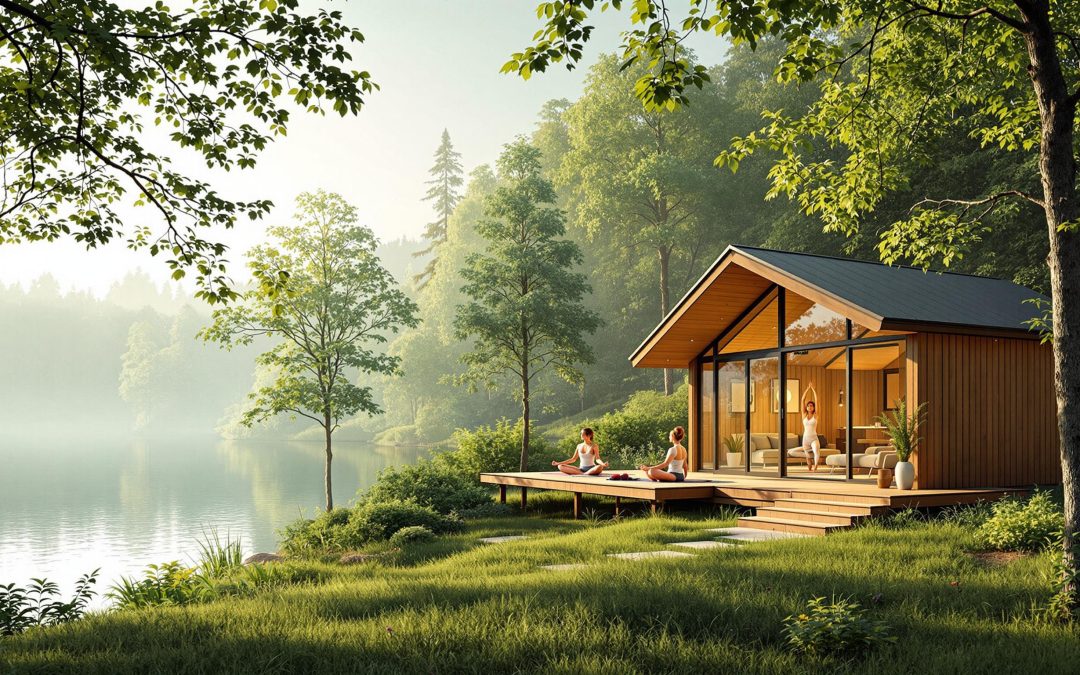
Wellness retreats are designed to help you step away from daily stress and focus on long-term well-being. Unlike regular vacations, they combine expert-led activities, peaceful settings, and personalized programs to improve physical, mental, and emotional health. Here’s a quick overview of what you’ll find:
- Activities: Yoga, meditation, outdoor hikes, and workshops on nutrition and stress management.
- Benefits: Reduced stress, improved metabolic health, better sleep, and emotional balance.
- Settings: Natural surroundings like mountains or beaches to encourage relaxation.
- Community: Opportunities to connect with like-minded individuals in a supportive environment.
Whether you’re looking to reset your lifestyle, manage stress, or simply recharge, a wellness retreat offers a structured path toward achieving your goals.
Types of Activities at Wellness Retreats
Daily Yoga and Meditation Sessions
Wellness retreats often include structured yoga and meditation sessions to promote mindfulness and balance. These sessions cater to all levels, from beginners to more seasoned practitioners. Expert instructors guide participants through yoga poses and meditation techniques, ensuring a safe and effective experience. Mornings are designed to energize, while evenings focus on relaxation, helping to build sustainable wellness routines. After these indoor practices, outdoor activities provide an opportunity to connect with nature.
Outdoor Activities
Spending time outdoors is a key part of many wellness retreats. For example, the Elohee Retreat Center, located on 220 acres in the serene Blue Ridge Mountains of North Georgia, offers a range of nature-focused activities:
- Guided walks through lush woodlands
- Mindful walking meditations in peaceful forest settings
- Meditation near a stunning 100-foot waterfall
- Hiking along scenic mountain trails
These outdoor activities complement indoor sessions, creating a balanced approach to well-being. They also offer a chance to unplug from technology and reconnect with the natural world.
Learning and Growth Sessions
Another important element of wellness retreats is the focus on education and personal growth. Workshops are designed to give participants practical tools for long-term improvements. Retreats often include:
- Health evaluations, such as blood tests and 3-D body scans
- Stress management sessions offering techniques to handle daily challenges
- Nutritional guidance to encourage healthier eating habits
- Personal development activities aimed at emotional health and self-awareness
These sessions provide actionable strategies that can be used well after the retreat ends. Research published in Translational Psychiatry highlights how such programs can lead to lasting benefits, including better metabolic health.
10 Best Wellness Retreats In The World
Main Benefits of Wellness Retreats
Wellness retreats focus on activities that provide measurable improvements in managing stress, boosting health, and building social connections. These benefits touch on physical, mental, and social aspects of well-being.
Stress Reduction Methods
Retreats use proven techniques like mindfulness exercises, therapeutic massages, aromatherapy, and unplugging from digital devices. These practices help lower cortisol levels and blood pressure, while also improving mental clarity and decision-making.
Health Improvements
Attending a week-long yoga and meditation retreat can lead to noticeable improvements in metabolic health. These effects come from a well-rounded approach that addresses several areas:
| Health Area | Benefits |
|---|---|
| Physical | Increased flexibility, strength, and better sleep |
| Mental | Improved focus, reduced anxiety, emotional balance |
| Nutritional | Healthier eating habits, mindful food choices |
The structured setup helps participants build habits they can stick to after the retreat. Many programs also include health assessments, offering clear insights into personal progress.
Group Support
Retreats provide opportunities to connect with others who share similar goals, fostering a sense of community.
"I learned by going on retreats that my fear of feeling ‘forced’ to hang out with people I didn’t really like was completely off-base…(again, when you choose the RIGHT retreat)." – Parinaz Shams, Author
Group settings encourage accountability and shared learning, making it easier to achieve personal growth. With guidance from experts and support from peers, participants leave with wellness practices they can continue long after their retreat ends.
sbb-itb-77c7b55
Selecting Your Ideal Retreat
Picking the right retreat involves aligning it with your goals, preferred atmosphere, and budget. Here’s a breakdown of the key factors to consider when making your choice.
Setting Personal Objectives
Knowing why you want to attend a retreat is the first step toward finding the right fit. A recent study found that nearly 45% of wellness retreat participants are looking for a "general, overall reboot". However, your goals might be more specific.
| Goal Category | Common Objectives | Typical Activities |
|---|---|---|
| Physical Wellness | Weight management, fitness improvement | Exercise classes, nutrition workshops |
| Mental Health | Stress reduction, emotional balance | Meditation, mindfulness practices |
| Personal Growth | Self-discovery, skill-building | Learning sessions, workshops |
| Lifestyle Change | Breaking unhealthy habits, building routines | Structured programs, coaching |
Once you’ve identified your goals, think about how the retreat’s setting can help you achieve them.
Choosing the Right Environment
When deciding on a retreat, take these factors into account:
- Location accessibility: How easy is it to get there? Consider travel time and transportation options.
- Natural surroundings: Do you prefer mountains, beaches, or urban settings? Pick a location that resonates with you.
- Accommodation style: Are you looking for luxury or simplicity? Decide what level of comfort you need.
- Program structure: Would you benefit more from a guided program or a flexible, self-directed approach?
Understanding Costs and Features
Take a close look at what each retreat offers. Here’s a quick guide to what you should evaluate:
| Feature Category | What to Evaluate |
|---|---|
| Core Programs | Daily activities, workshops, classes |
| Accommodation | Room types, amenities, privacy levels |
| Dining Options | Meal plans, dietary accommodations |
| Additional Services | Spa treatments, personal coaching, medical testing |
When reviewing costs, remember that your budget will affect more than just the upfront price. It also impacts:
- How long you can stay
- Your choice of room
- The range of activities available
- Access to extra services like coaching or medical consultations
Lastly, be sure to confirm details like health protocols, daily schedules, and the specific offerings available at the retreat.
Pricing and Facilities Guide
Check out the retreat pricing and amenities to find the best fit for your preferences and budget.
Price Breakdown
The cost of wellness retreats depends on factors like length of stay, accommodations, and included services. Here’s a general idea of what you might pay:
| Length of Stay | Single Occupancy | Twin Share | Inclusions |
|---|---|---|---|
| 3 Nights | $1,545 | $930 | • All meals and juices • Daily fitness classes • Workshops • Access to basic amenities |
| 7 Nights | $3,100 | $1,860 | • Everything in the 3-night package, plus: • Complimentary massage • 24/7 support |
Most packages cover:
- Three healthy meals per day
- Access to fitness and mind-body classes
- Use of facilities like pools and meditation spaces
- Workshop participation
- Accommodation
Some services may involve additional costs, such as:
- Extra spa treatments
- Private training sessions
- Specialized workshops
- Beauty services
After exploring pricing, take a look at the room options to find one that suits your budget and lifestyle.
Room Options
- King Bed & Private Bath: Perfect for solo travelers seeking privacy
- Twin Beds & Private Bath: Great for friends or couples
- Single Twin & Shared Bath: A budget-friendly choice for individuals
- Fits up to 13 guests
- Includes six bedrooms and multiple bathrooms
- Features a dedicated yoga/meditation space
- Offers scenic waterfall views
For those who enjoy the outdoors, tent camping is also available and includes:
- Camping platforms
- Bath and shower facilities
- Pre-qualification requirement
Elohee Retreat Center Features
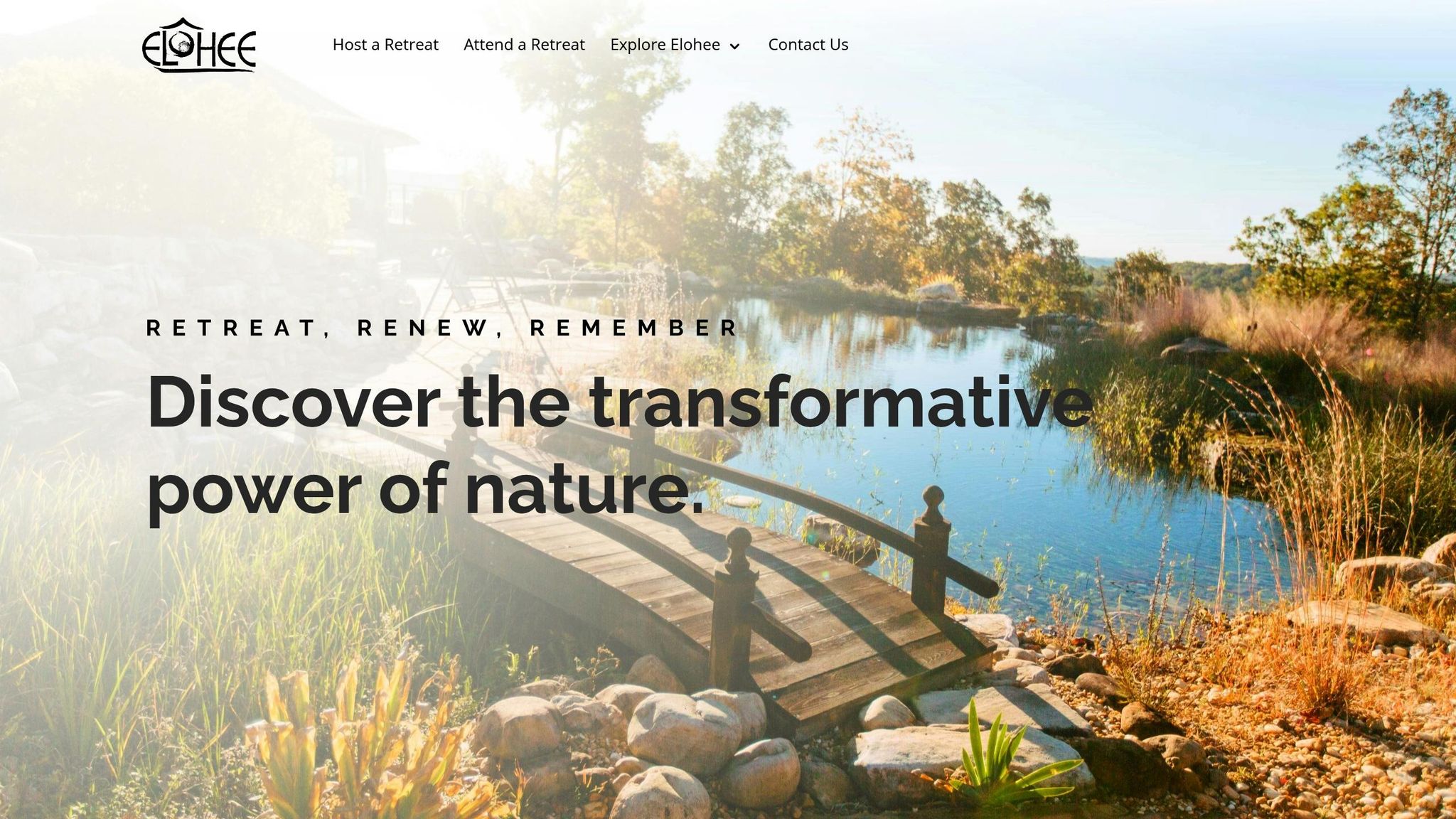
Set in the beautiful North Georgia landscape, Elohee provides a range of amenities designed to elevate your retreat experience:
Natural Features
- A stunning 100-foot waterfall canyon
- Extensive hiking trails
- A variety of ecosystems for nature lovers
Facilities
- Mandala Hall for group gatherings
- Forest Studio for workshops
- Full-service spa
- Dining facilities offering wholesome meals
- A gift shop stocked with wellness items
Capacity and Accessibility
- Accommodates up to 50 guests
- ADA-compliant rooms available
- Multiple meeting spaces for group activities
- Quiet areas for reflection and solitude
Keep in mind that popular dates, especially during peak seasons, tend to book up quickly. It’s a good idea to reserve early to secure your preferred accommodations and dates.
About Elohee Retreat Center
North Georgia Mountain Location
Elohee Retreat Center is nestled in the Blue Ridge Mountains, covering 220 acres of serene landscapes. Located 90 miles north of Atlanta and 90 miles west of Greenville, SC, the property boasts a 100-foot waterfall, scenic hiking trails, and breathtaking mountain views.
Available Facilities
Elohee offers three distinct retreat spaces to suit various needs:
- Seven cozy cottages that can host up to 50 guests
- Modern conveniences like air conditioning, heating, and bamboo flooring
- Indoor and outdoor dining areas
- A stone fire ring for evening gatherings
- Full-service spa amenities
- An on-site gift shop
Thanksgiving House
- A spacious 6-bedroom retreat with 3 bathrooms
- Two shared living rooms
- A yoga and meditation room with stunning waterfall views
Camping Options
- Two platform camping sites and two primitive camping areas
- Dedicated bath and shower facilities
These spaces combine comfort with opportunities for connection and reflection, making it easy to unwind and recharge.
Community Experience
Elohee Retreat Center creates a welcoming space for personal growth and meaningful connections. With room for up to 50 guests, it strikes a balance between fostering community interaction and offering quiet solitude. The center’s key areas – Landsong, Bald Mountain Center, and Thanksgiving House – offer versatile settings for group activities and personal reflection. Whether you’re attending a session in Mandala Hall or finding peace on the hiking trails, Elohee provides an environment that encourages both exploration and relaxation.
Conclusion
Selecting the right wellness retreat can significantly impact your well-being when it aligns with your personal goals. As Krishnamurti observed, a retreat offers the chance to see life from a new perspective by stepping away from daily routines.
Look for retreats that offer a well-rounded experience, including:
- Expert Support: Access to skilled practitioners who provide tailored guidance
- Tranquil Setting: Locations that encourage relaxation and a connection to nature
- Thoughtful Schedule: A mix of structured activities and time for personal reflection
- Sense of Community: Opportunities to connect with others on similar journeys
A great retreat not only provides immediate relief but also equips you with tools for long-term wellness. For instance, choosing a peaceful destination like the Blue Ridge Mountains can help you unplug from daily stress and focus on self-renewal.
Wellness retreats go beyond simple relaxation. They offer programs designed to support physical, mental, and emotional health through various therapies and practices. Take the time to evaluate each retreat’s offerings to ensure they align with your specific needs. The right choice can set the stage for enduring well-being.
Recent Comments