
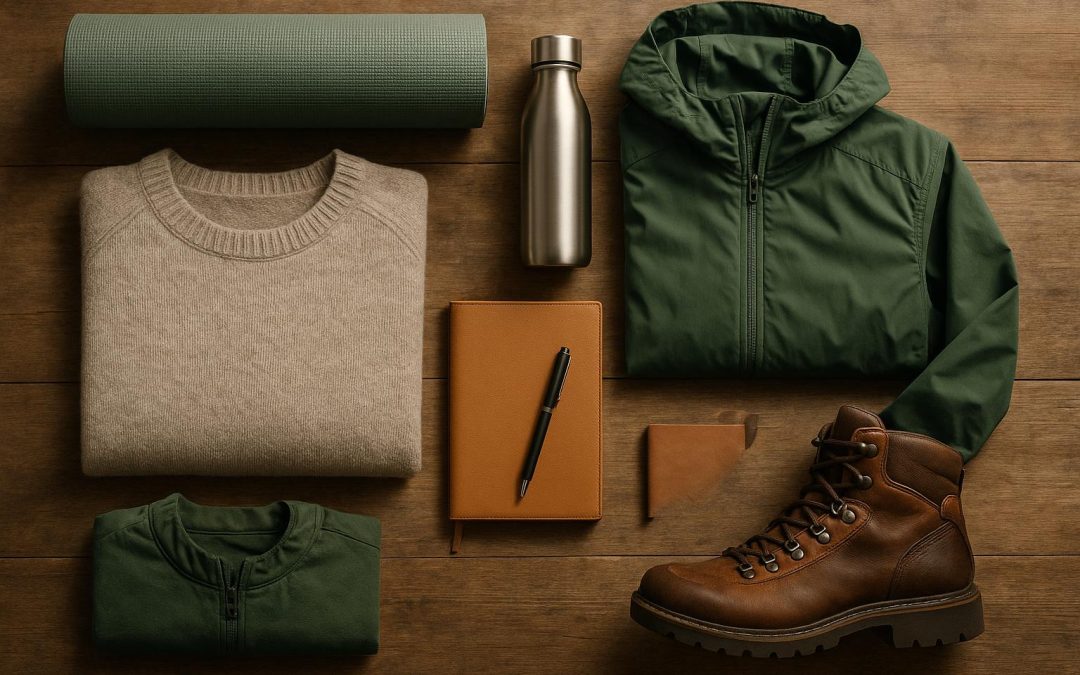
Packing for a mountain wellness retreat can feel overwhelming, but it doesn’t have to be. Here’s a quick guide to ensure you’re ready for the unpredictable mountain weather, diverse activities, and serene environment:
- Clothing: Use a 3-layer system (base, mid, outer) for comfort in temperatures ranging from 30°F to 70°F. Avoid cotton; choose moisture-wicking fabrics like merino wool or polyester.
- Shoes: Bring hiking boots, indoor slip-ons, and water-resistant sandals for different terrains and activities.
- Gear: Pack a yoga mat, meditation cushion, reusable water bottle, and a lightweight day pack.
- Safety Items: Include a first aid kit, rain jacket, and navigation tools like a satellite device.
- Eco-Friendly Essentials: Opt for reusable items (e.g., water bottles, silicone bags) and biodegradable toiletries.
- Sleep & Comfort: Don’t forget an eye mask, earplugs, and a travel pillow for restful nights.
Quick Overview:
| Category | Key Items |
|---|---|
| Clothing | 3-layer system, thermal socks, gloves |
| Shoes | Hiking boots, indoor slip-ons, sandals |
| Activity Gear | Yoga mat, cushion, hydration gear |
| Safety | Rain jacket, first aid kit, navigation tools |
| Eco-Friendly Options | Reusable water bottle, shampoo bars |
| Comfort | Eye mask, earplugs, travel pillow |
With this list, you’ll be prepared to enjoy every aspect of your retreat, from peaceful meditation to invigorating hikes.
What are the 10 Essentials of Hiking? | What to Pack and Gear List
Mountain Retreat Clothing Guide
Mountain climates can swing dramatically, from brisk 30°F mornings to pleasantly warm afternoons. To stay comfortable, pack gear that can adapt to these changes. Here’s a breakdown of the essentials you’ll need for your retreat.
3-Layer Clothing System
The three-layer system is a tried-and-true method for managing moisture, warmth, and weather protection in unpredictable mountain conditions. Here’s how it works:
| Layer | Purpose | Recommended Materials | Essential Items |
|---|---|---|---|
| Base Layer | Wicks moisture | Merino wool, Polyester | Moisture-wicking tops, leggings |
| Mid Layer | Provides insulation | Fleece, Synthetic fill | Zip-up jacket, Insulated vest |
| Outer Layer | Shields from weather | Gore-Tex, Weather-resistant shells | Rain jacket, Wind shell |
Pro tip: Skip the cotton – it traps moisture and dries slowly. Instead, stick with merino wool or synthetic fabrics for better moisture control and durability. Since you’ll likely spend time sitting or walking during meditation sessions, choose clothing that offers comfort and flexibility for easy movement.
Once you’ve got your layering system sorted, make sure your footwear and cold-weather gear are up to the task.
Required Shoes and Boots
Mountain retreats call for versatile footwear that can handle both rugged trails and indoor spaces. Consider these options:
- Hiking Boots: Opt for rain-resistant boots that can tackle uneven terrain.
- Indoor Shoes: Lightweight slip-ons are perfect for meditation areas.
- Water-Resistant Sandals: Ideal for spa visits or casual downtime.
Choose shoes that can transition effortlessly between outdoor adventures and indoor relaxation.
Winter Weather Gear
Mountain mornings and evenings can get chilly, especially during spring or fall. Pack these extra items to stay cozy:
- Thermal Basics: Bring thermal socks, fleece-lined gloves, and a warm beanie to keep comfortable when temperatures dip into the 30s°F.
- Neck Protection: A neck gaiter or scarf can double as sun protection or a wind blocker, depending on the weather.
- Sleep Comfort: If you’re prone to feeling cold at night, pack additional warm base layers and wool socks to ensure restful sleep despite fluctuating temperatures.
Retreat Activity Equipment
When planning for a retreat, having the right tools can make all the difference. From meditation to outdoor adventures, being prepared ensures you can fully immerse yourself in every activity.
Yoga and Meditation Supplies
Creating a cozy and functional space for indoor practices is essential. Here’s a breakdown of what to pack:
| Essential Item | Purpose | Key Features to Look For |
|---|---|---|
| Yoga Mat | Foundation for practice | Non-slip surface, 4–6 mm thickness |
| Meditation Cushion | Support for good posture | Firm filling, washable cover |
| Props | Enhance practice | Blocks, straps, bolster |
| Small Towel | Comfort during practice | Quick-dry microfiber |
For early morning or evening meditation sessions, consider packing a lightweight jacket or wrap to stay warm when temperatures drop. Once you’re set for indoor activities, it’s time to think about what you’ll need for outdoor adventures.
Trail and Outdoor Equipment
Exploring mountain trails or outdoor spaces requires careful preparation. Here are some essentials to keep you ready for the journey:
| Equipment Type | Recommended Items | Purpose |
|---|---|---|
| Hydration | 32 oz reusable water bottle | Keep hydrated during hikes |
| Compression Gear | Compression socks or sleeves | Support muscles and aid recovery |
Compression socks or sleeves are particularly helpful for reducing muscle fatigue after long hikes. Once you’ve tackled the trails, you’ll want to unwind and recharge with some spa or water-based activities.
Spa and Water Activity Items
For a relaxing spa experience or a dip in the water, don’t forget these essentials:
- Quick-dry towel for convenience after water activities.
- Mineral sunscreen (SPF 30+) to protect your skin.
- Water-resistant sandals for comfort and safety.
- Swimwear (pack two sets to alternate between uses).
- Waterproof bag to keep electronics and valuables safe.
With the right gear, you’ll be ready to enjoy every moment of your retreat, whether you’re meditating, hiking, or simply unwinding by the water.
Comfort and Wellness Items
Make the most of your retreat by bringing along key items that enhance comfort and promote wellness.
Sleep Equipment
Getting quality sleep is essential to recharge during your retreat. Consider packing these sleep essentials:
| Sleep Item | Purpose |
|---|---|
| Eye Mask | Blocks light to help improve sleep quality |
| Earplugs | Reduces background noise for better rest |
| Travel Pillow | Adds comfort and support for restful sleep |
These simple tools can make a big difference in ensuring you wake up refreshed and ready for the day.
Mental Health Support Tools
Maintaining emotional well-being is just as important as physical comfort. Bring along these tools to support your mental health:
| Tool Type | How to Use | Benefit |
|---|---|---|
| Aromatherapy | Use essential oils like lavender | Encourages relaxation and calm |
| Journaling | Write in a guided journal with prompts | Helps with mindfulness and reflection |
| Digital Detox | Reduce or avoid digital devices | Minimizes distractions and boosts focus |
Creating a self-care kit with these items, along with personal keepsakes that bring you comfort, can help you stay centered during your retreat. These tools are great companions to proper nutrition and overall self-care.
Food and Water Supplies
"Choosing the right nutrient-dense snacks provides sustained energy for your hike… Smart snacking not only provides endurance during your hike, but also supports recovery after your hike."
Packing the right food and hydration supplies ensures you stay energized and hydrated throughout your activities:
| Category | Recommended Items | When to Use |
|---|---|---|
| Low-Intensity Activities | Veggies with hummus, dried fruit with nuts | Great for mornings or light activities |
| High-Intensity Activities | Overnight oats, energy bars, stuffed dates | Ideal for long hikes or intense sessions |
| Hydration | 16 oz water per hour | Drink consistently throughout the day |
For eco-friendly packing, use reusable silicone bags or stainless steel containers to keep your snacks fresh while reducing waste. Don’t forget to include electrolyte drinks, especially if you’re engaging in activities under warm conditions or for extended periods.
sbb-itb-77c7b55
Low-Impact Packing Guide
Pack smarter and lighter while keeping sustainability front and center. With a few thoughtful choices, you can reduce waste and make your travels more comfortable.
Earth-Friendly Products
In 2024, Elohee’s watershed protection initiative achieved a 90% reduction in chemical contaminants in local streams. This highlights the impact of small, intentional changes. When it comes to packing, choosing eco-friendly items can make a big difference.
| Category | Sustainable Option | Price Range | Environmental Impact |
|---|---|---|---|
| Personal Care | Jade Yoga Mat | $60–80 | Made from natural rubber, biodegradable |
| Hydration | GRAYL Water Filter | $80–100 | Cuts down on plastic bottle waste |
| Storage | StasherBag Silicone Bags | $19+ | Replaces single-use plastics |
| Toiletries | Shampoo Bars | $8–15 | Zero plastic packaging |
"Packing sustainable travel gear ahead of time will help you lessen your environmental impact." – Traverse Journeys
For personal care, opt for products that are effective yet gentle on the planet:
- Biodegradable Toiletries: Shampoo bars, bamboo toothbrushes, and biodegradable dental floss are great options.
- Skin Protection: Choose mineral-based, reef-safe sunscreens to avoid harming marine ecosystems.
- Sustainable Hygiene: Replace disposable razors with a safety razor (around $18).
- Period Care: Try zero-waste solutions like the OrganiCup menstrual cup ($26).
These choices not only reduce waste but also help you stay aligned with sustainable practices throughout your trip.
Zero-Waste Items
Elohee’s composting program, which diverts 300 pounds of food waste monthly, proves how small changes can have a big impact. You can contribute by packing smart, zero-waste essentials.
| Essential Item | Recommended Brand | Average Cost | Usage |
|---|---|---|---|
| Water Bottle | Hydro Flask | $30+ | Stay hydrated wherever you go |
| Coffee Mug | Hydro Flask | $25–35 | Perfect for hot beverages |
| Utensil Set | Bamboo Kit | $10 | For meals on the go |
| Shopping Tote | Reusable Bag | $10 | Great for grocery or supply runs |
Here are a few additional zero-waste tips to keep your packing efficient and eco-friendly:
- Use a sturdy carry-on like the Fairview 55L ($150–250) to minimize your luggage.
- Keep your belongings organized with durable packing cubes (around $20).
- Invest in a Nomadix travel towel ($30–45), which can double as a blanket or beach towel.
- Pack snacks in reusable silicone bags to avoid single-use plastics.
Mountain Safety Equipment
Mountain environments can be unpredictable, and conditions can shift in an instant. For example, 25% of visitors report experiencing altitude-related symptoms above 8,000 feet. Having the right safety equipment is essential to reduce risks and stay prepared.
Weather Protection Gear
Sudden rain or snow can lead to hypothermia if you’re not properly equipped. Investing in quality weather protection gear can make all the difference in staying safe and comfortable.
| Equipment Type | Recommended Item | Price Range | Key Features |
|---|---|---|---|
| Rain Jacket | Patagonia Torrentshell 3L | $179 | Waterproof-breathable membrane, adjustable hood |
| Rain Pants | Patagonia Torrentshell 3L | $129 | DWR coating, reinforced knees |
| Emergency Shelter | Emergency Bivy | $15–30 | Lightweight, heat-reflective |
| Navigation | Satellite Communication Device | $200–400 | Operates without cell coverage |
For maximum protection, consider these essentials:
- Primary Shell: A waterproof-breathable jacket with adjustable cuffs and hood to block out rain and wind.
- Lower Body Protection: Rain pants, ideally paired with gaiters, to keep your legs and socks dry.
- Navigation Tools: Satellite communication devices that work even in remote areas without cell service.
While proper gear helps manage weather risks, addressing altitude challenges is equally important.
"The main point of instructing travelers about altitude illness is not to eliminate the possibility of mild illness but to prevent severe illness, need for evacuation, or death." – CDC Yellow Book
Altitude Safety Items
Above 8,000 feet, oxygen levels drop to about 69% of what they are at sea level. This makes altitude safety a priority. Packing the right items can help you acclimate and avoid serious health issues.
| Safety Item | Purpose | Recommended Use |
|---|---|---|
| First Aid Kit | Basic medical care | Include altitude-specific medications |
| Pulse Oximeter | Monitor oxygen levels | Regular checks above 8,000 feet |
| Hydration System | Prevent dehydration | Ensure it meets your water needs |
| Emergency Oxygen | Altitude sickness relief | For individuals at higher risk |
Other essentials include:
- Over-the-counter medications for headaches
- Prescription medications like acetazolamide to aid acclimatization (consult your doctor before use)
- Communication devices for emergency situations
Acclimatization is key to staying safe at high altitudes. Even the best equipment can’t replace careful planning and a gradual ascent. Customize your packing list to fit your health needs and the specific elevation of your destination.
Conclusion: Final Packing Tips
Packing List Overview
Here’s a quick rundown of essentials to pack for your retreat:
| Category | Essential Items | Purpose |
|---|---|---|
| Weather Protection | Rain jacket, waterproof pants | Stay dry in wet conditions |
| Activity Gear | Yoga mat, meditation cushion, hiking backpack | Support retreat activities |
| Personal Care | Reusable water bottle, sunscreen, bug spray | Stay comfortable and healthy |
| Safety Equipment | First aid kit, flashlight with batteries | Be ready for emergencies |
Bring versatile, layered clothing to adapt to the mountain’s fluctuating temperatures. Don’t forget to account for specific needs based on Elohee’s unique environment.
Preparing for Elohee
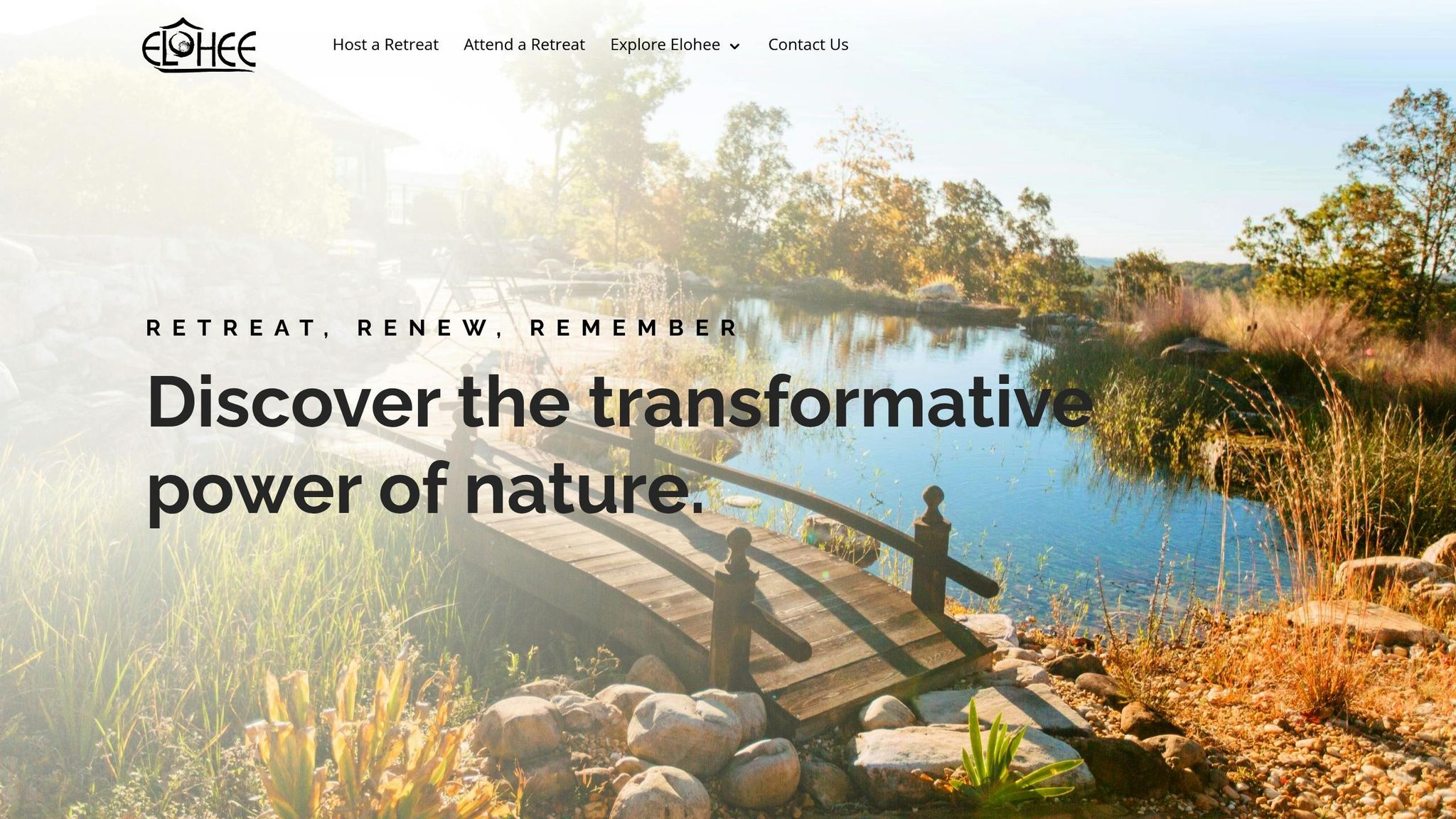
Packing for the Elohee Retreat Center requires a bit of extra thought due to its location in the Blue Ridge Mountains. Here’s what you’ll want to include:
Location-Specific Items:
- Sturdy, trail-ready shoes
- Swimsuit and towel for enjoying the pond
- Umbrella or raincoat for sudden showers
- Personal hotspot for connectivity at Bald Mountain Center
- A lightweight day pack for trail excursions
- Bug spray to keep insects at bay
Check-in Information:
- Bald Mountain Center: 3:00 PM – 4:00 PM
- Thanksgiving House: 2:00 PM
Make sure to arrive during the designated check-in hours. If you’re running late, email info@elohee.org and notify them by call or text at 770-316-9195 at least 30 minutes before your arrival.
Comfort Essentials:
- Extra snacks if you have specific dietary needs
- A flashlight to navigate safely after dark
FAQs
What should I consider when packing clothes for a mountain wellness retreat, and how does the 3-layer system help?
When you’re packing clothes for a mountain wellness retreat, it’s essential to be ready for unpredictable weather and a mix of activities. A smart approach is using the 3-layer system, which lets you adapt to changing conditions and stay comfortable no matter what the day brings.
- Base layer: Designed to pull moisture away from your skin, keeping you dry and comfortable.
- Mid-layer: Adds insulation to help you stay warm, even when temperatures drop.
- Outer layer: Protects you from the elements like wind, rain, or snow.
This setup has you covered, whether you’re starting your day with a crisp morning yoga session or exploring scenic trails in the ever-changing mountain climate.
What are some tips for creating an eco-friendly packing list for a mountain wellness retreat?
Heading to a mountain wellness retreat? Packing with the planet in mind can make your trip even more rewarding. Start with reusable must-haves like a sturdy water bottle, a travel coffee mug, and a few foldable shopping bags. These simple items can help you cut down on single-use plastics during your stay.
When it comes to toiletries, go for eco-friendly options like biodegradable soap and shampoo bars. Steer clear of products wrapped in layers of unnecessary packaging. Small swaps like these can make a big difference.
For clothing, think layerable and versatile. Mountain weather can be unpredictable, so pack pieces that work together in different combinations. Prioritize sustainable materials like organic cotton or recycled fabrics to keep things environmentally conscious. Bonus tip: bring items that can do double duty, like a lightweight scarf that works as a blanket or offers sun protection. Packing light and smart not only helps you travel more efficiently but also keeps your retreat aligned with eco-friendly values.
What safety gear should I bring to prepare for mountain weather and altitude changes during my retreat?
When heading to a mountain retreat, packing the right safety essentials is a must. Mountain weather and altitude can be unpredictable, so it’s important to be prepared. Start with navigation tools like a map, compass, or GPS to keep you on track. Don’t forget sun protection – pack sunglasses, sunscreen, and clothing designed to shield you from the sun’s rays. And since mountain climates can shift from warm to chilly in no time, bring extra layers to stay warm.
You’ll also need a few other basics: a headlamp or flashlight (with extra batteries), a first-aid kit, fire-starting tools, and an emergency shelter like a lightweight bivy sack or space blanket. If your retreat takes you into snowy or avalanche-prone areas, specialized gear like an avalanche transceiver, snow shovel, and probe is essential for safety. These items will help you stay prepared and enjoy your retreat with peace of mind.
Recent Comments