
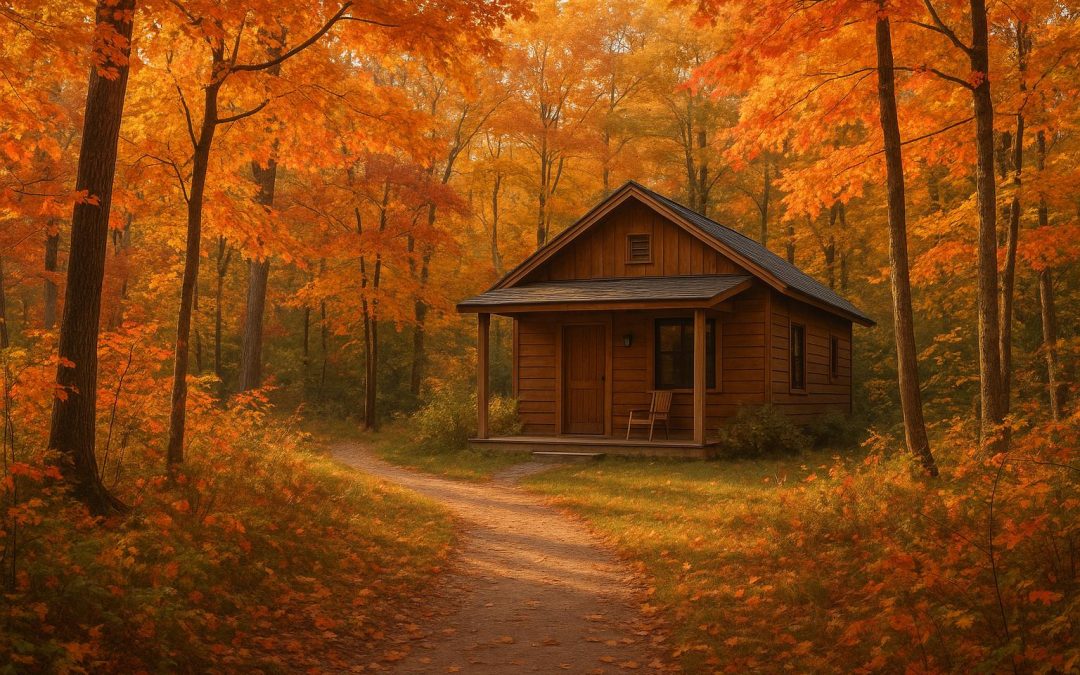
Seasonal retreats are a way to align personal growth with nature’s rhythms, offering moments to pause, reflect, and reset. Each season provides unique opportunities for self-improvement – winter encourages introspection, spring inspires renewal, summer fosters energy, and autumn invites gratitude and release. By syncing with these cycles, you can enhance mental clarity, reduce stress, and improve overall well-being.
Key takeaways:
- Winter: Rest and reflect through quiet practices like mindful walks or sauna sessions.
- Spring: Focus on growth and goal-setting with outdoor activities like hiking.
- Summer: Tap into creativity and vitality with journaling or forest bathing.
- Autumn: Practice gratitude and let go of what no longer serves you with reflective activities.
Research supports the benefits of spending time in nature, showing reduced stress, improved mood, and better physical health. To create your own retreat, define your goals, plan nature-based activities, and incorporate mindfulness practices like journaling or meditation. Locations like Elohee Retreat Center, with its serene landscapes, can provide an ideal setting for this journey.
Seasonal retreats aren’t just a break – they’re a structured way to reset and grow with purpose.
The Benefits of Seasonal Retreating
What Is Seasonal Retreating?
Seasonal retreating involves taking intentional pauses during the transitions between seasons to sync with nature’s rhythms. Unlike a typical vacation or wellness getaway, these retreats are centered on reflection, renewal, and resetting your mind and body in harmony with the changing seasons.
Think of it this way: just as trees shed their leaves in the fall and blossom in the spring, we can benefit from similar cycles of rest, growth, and release. By aligning with nature’s rhythm – introspection in winter, renewal in spring, creativity in summer, and letting go in autumn – you create space for deeper self-awareness and transformation that feels organic and sustainable.
Research supports the idea that these nature-based practices can have measurable positive effects on our well-being.
Research on Nature-Based Retreats
Studies consistently show that spending time in nature reduces stress and promotes overall health. For example, just 20 minutes in a natural setting can significantly lower cortisol levels (the stress hormone). Even more compelling, dedicating at least two hours a week to outdoor activities has been linked to improved physical and mental health.
A 2017 study highlighted the benefits of holistic retreat experiences. Participants who took part in a one-week retreat reported noticeable improvements in both psychological and physical health, and these benefits were still evident six weeks later. The study also pointed out that reducing screen time and aligning with natural circadian rhythms contributed to better sleep and lower stress levels.
"Time spent outdoors provides a combination of stimulation of different senses and a break from typical overstimulation from urban environments." – Heather Eliassen, Professor of Nutrition and Epidemiology, Harvard T.H. Chan School of Public Health
The mental health perks are equally noteworthy. Spending five or more hours outdoors on weekends has been associated with a lower risk of mild depression compared to spending less than 30 minutes outside. Additionally, time in green spaces has been shown to enhance mental restoration, boost positive emotions, and reduce anxiety and overthinking.
Physical health also benefits greatly from time in nature. Research links outdoor activities to reduced stress, lower blood pressure, and an overall improvement in mood. Other studies connect time in green spaces to better sleep, reduced blood pressure, and a lower risk of chronic diseases.
These findings reinforce the idea that seasonal transitions are an ideal time to pause, reflect, and reset.
Why Seasonal Changes Are Perfect for Reflection
The natural shifts between seasons provide a built-in opportunity to reflect and make adjustments, echoing the cycles of growth, rest, and renewal that are essential for overall well-being. As life coach and therapist Abbey Sangmeister puts it:
"When we transition from one season to the next, it is a great opportunity for reflection and reset."
Each season brings its own energy: winter encourages rest and introspection, spring inspires growth and fresh starts, summer fuels action and creativity, and autumn invites gratitude and the release of what no longer serves us. These transitions act as natural checkpoints, offering a chance to evaluate and recalibrate. Integrative practitioner Lisa Tran explains:
"A seasonal reset allows me to check in every season, see how I’m doing, and make changes and tweaks if needed so that my next season can be more aligned with how I want my life to look."
A 2020 study published in Nature found that people who experience more variety in their daily environments tend to feel happier than those who stick to the same routines. Seasonal retreats provide that variety while also offering a structured way to focus on personal growth. They serve as a reminder that transformation is an ongoing journey, and each season brings a chance to start fresh.
Seasonal Virtual Retreats
What Each Season Offers for Personal Growth
Every season brings its own set of opportunities for self-improvement. According to PhuketFit, aligning your wellness journey with the rhythm of nature can create a strong foundation for growth and healing. Let’s dive into how each season can play a unique role in supporting your personal development.
Winter Retreats: Rest and Reflection
Winter is a time of quiet renewal. With shorter days and longer nights, this season naturally encourages rest, detoxification, and introspection. PhuketFit highlights that winter retreats often include activities like hot yoga, sauna sessions, and nourishing meals designed to support the body’s cleansing processes.
The crisp winter air and serene landscapes not only promote mental clarity but also improve circulation and help with vitamin D production. Some ideas for winter wellness include forest bathing, mindful snowshoeing, safe wild swimming, indoor gardening, or simply observing the beauty of nature during slow, intentional walks.
Spring Retreats: Renewal and Fresh Starts
Spring is all about renewal and growth. It’s the perfect season to embrace new beginnings. PhuketFit suggests that spring retreats often incorporate activities like hiking and nature walks, which not only lift your mood but also help deepen your connection with the natural world.
Welcoming spring can be as simple as opening your windows to let in fresh air, tending to your garden or bringing plants indoors, and taking time to appreciate blooming flowers. This season is also ideal for goal-setting retreats, where you can focus on planting the seeds for new habits and breaking free from old routines.
Summer Retreats: Energy and Creativity
Summer is bursting with vitality and creativity. Longer days and abundant sunshine make it an ideal time for outdoor activities and nutrition-focused retreats, as highlighted by PhuketFit.
To make the most of summer, try mindful walks, forest bathing that engages all your senses, or journaling outdoors to capture your thoughts. Letting go of worries and embracing your connection to nature can do wonders for emotional well-being.
"The hours when the mind is absorbed by beauty are the only hours when we really live." – Robert Jefferies
Autumn Retreats: Gratitude and Letting Go
Autumn is nature’s way of teaching us to release what no longer serves us. This season encourages gratitude and acceptance. PhuketFit notes that autumn retreats often focus on meditation, light yoga, and reflective practices.
You can embrace the spirit of autumn by engaging in activities like pumpkin carving, creating leaf collages, or going apple picking. These simple acts connect you with the season’s themes of harvest and gratitude. Watching inspiring talks or documentaries can also offer valuable insights during this reflective time. Autumn’s transitions mirror our own cycles of growth, abundance, and renewal.
"Embracing the seasons when planning a wellness retreat can greatly enhance the experience and amplify the benefits for mental and physical health." – PhuketFit
sbb-itb-77c7b55
How to Design Your Own Retreat
Designing a seasonal retreat doesn’t have to be complicated or pricey. The secret lies in thoughtful preparation that matches your personal goals with the rhythm of the season you’re embracing.
Start by defining your purpose. Are you looking to set new goals, unlock creativity, or simply reset your focus? Once you know your intention, choose a peaceful, natural setting that supports your goals. Nature plays a powerful role in enhancing the retreat experience, helping you connect more deeply with yourself and your surroundings.
Adding Nature-Based Activities
Nature-based activities are the backbone of a meaningful retreat. One of the most impactful practices is forest bathing, a simple yet transformative way to immerse yourself in nature. This practice encourages you to slow down and fully experience your environment.
Ben Page, founder of Shinrin Yoku LA and a forest therapy guide, touches on a common challenge:
"Slowing down is actually one of the hardest things for people to do. We’re not used to moving slowly."
His advice? Start small:
"Go outside, find a tree, and sit under it for five minutes."
To try forest bathing, walk slowly or sit quietly in a natural setting. Pay attention to your senses – what you see, hear, smell, taste, and feel. Another option is the Four Elements Practice: find a quiet outdoor spot and identify the earth, air, fire, and water around you. This technique helps ground you in the present.
Mindful walking is another accessible activity. Focus on each step, noticing how your body feels as you move through nature. To deepen the experience, turn off your phone and set an intention, such as appreciating the beauty or wonder around you.
Science backs up the benefits of these activities. A study found that participants who walked in forest environments for 1.5 hours daily over three days had lower cortisol and adrenaline levels compared to those who walked in urban settings.
Mindfulness Practices for Reflection
Mindfulness practices are essential for processing your retreat experience. Meditation offers a strong foundation, helping you cultivate awareness and reflection.
A great starting point is the 5-4-3-2-1 Sense Mindfulness Exercise. Identify five things you see, four you can touch, three you hear, two you smell, and one you can taste. This practice anchors you in the moment and calms your mind.
Journaling is another powerful tool for reflection. Use prompts to explore your thoughts and feelings, and try writing at the same time and place each day. Focus on gratitude to shift your perspective. As Joan Didion famously said:
"I don’t know what I think until I write it down."
Mindful eating can also enhance your retreat. Take time to savor each bite, paying attention to the flavors, textures, and sensations of your meals.
Tools and Resources for Structure
To keep your retreat organized and productive, the right tools can make all the difference. Meditation apps are a great resource, offering guided sessions and tailored recommendations. Here’s a quick comparison of some popular options:
| App | Annual Cost | Best For |
|---|---|---|
| Headspace | $69.99 | Beginners with intermediate content |
| Calm | $69.99 | Intermediate to advanced practitioners |
| Insight Timer | $60.00 | Personalized content and habit tracking |
| Happier | $99.99 | Learning-focused, with free content |
Headspace is perfect for beginners, while Calm suits those with more experience. Insight Timer offers personalized guidance and tracks your progress, and Happier emphasizes learning and reflection.
For nature-focused guidance, apps like Forest Bathing Life, TreeQuility, or Roots provide guided meditations tailored to outdoor settings.
Don’t forget physical supplies. Bring notebooks, pencils, and any reading materials you’ll need. Plan your meals ahead of time, and pack appropriately for the weather. Create a flexible schedule with time blocks for journaling, movement, reading, and brainstorming. Break your retreat goals into smaller, manageable tasks and set aside time afterward to review your experience and implement your ideas.
The goal is to carve out a space to pause, reflect, and recharge – allowing you to move forward with clarity and purpose.
Planning Your Seasonal Retreat at Elohee Retreat Center
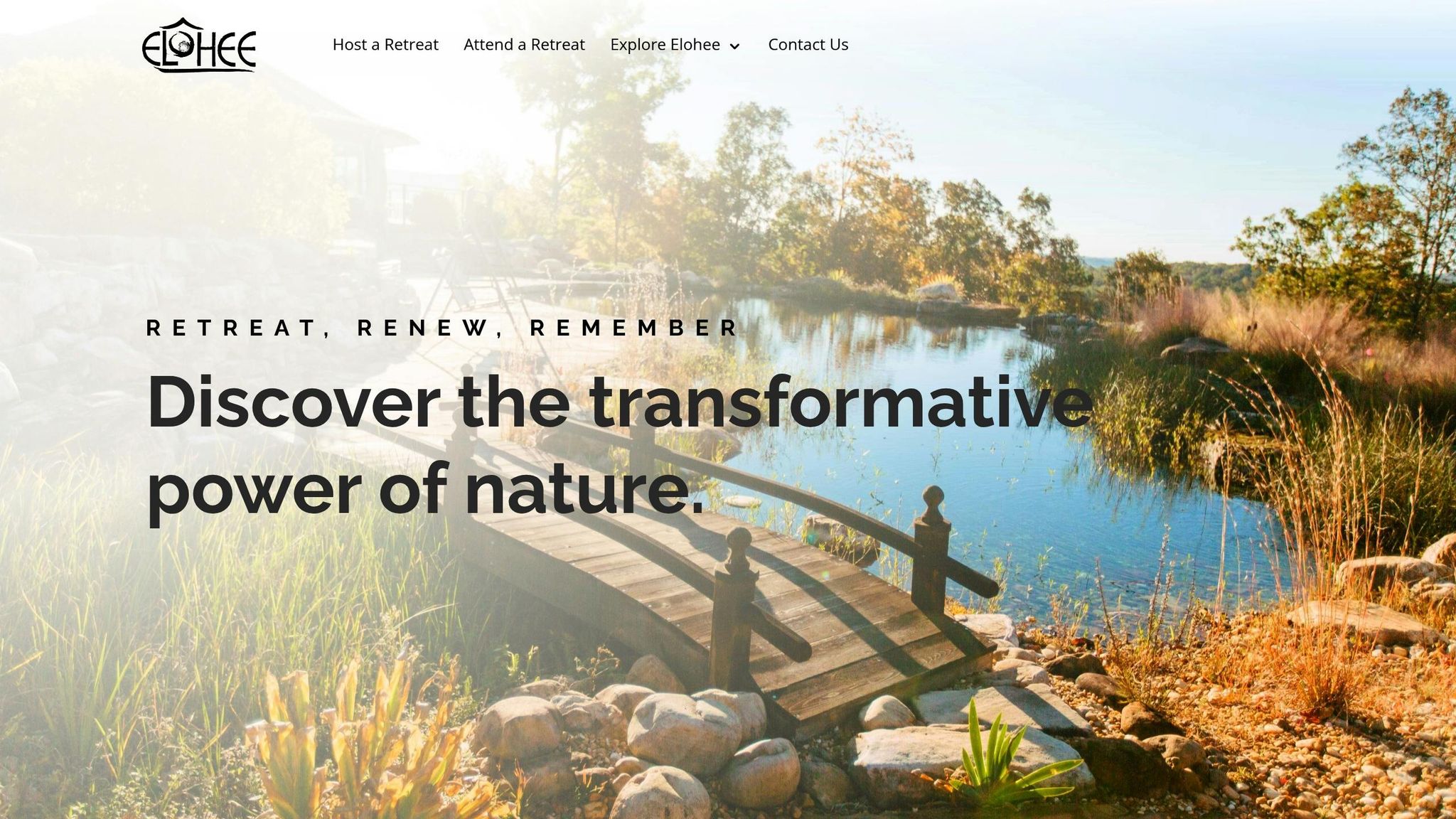
Imagine crafting your retreat experience at a destination that mirrors the ebb and flow of nature itself. With 220 acres nestled in the Blue Ridge Mountains of North Georgia, Elohee Retreat Center provides the perfect setting to bring your retreat vision to life. Its serene landscapes and thoughtful amenities create a harmonious space where the rhythms of the seasons guide your journey.
Choosing the Right Season and Setting Intentions
The timing of your retreat is more than just a calendar decision – it’s about aligning with the season that best supports your personal goals. Each season at Elohee offers unique opportunities for growth and reflection. Whether you seek quiet introspection, renewal, energy, or grounding, Elohee’s natural surroundings amplify the experience.
Winter, for example, is a time to pause and reflect. As Rob M, a retreat expert, puts it:
"Winter is a time of slowing down internally and the desire to rest more, eat more, and find times of silence and introspection start to arise. A winter retreat isn’t about hibernation; it’s about aligning ourselves with nature’s natural rhythm."
At Elohee, winter’s tranquil mountain landscape invites you to detox, rejuvenate, and reset your priorities for the year ahead. This seasonal alignment lays the foundation for a deeply meaningful retreat experience.
Exploring Elohee’s Natural Features
Elohee’s facilities and natural surroundings are thoughtfully designed to enhance every aspect of your retreat. The center’s guiding philosophy – that connecting with the land fosters transformation – can be felt throughout its spaces.
One standout feature is the 100-foot waterfall canyon, a stunning spot for meditation and reflection. The Thanksgiving House, perched near the waterfall, offers cozy accommodations for up to 13 guests and is ideal for intimate gatherings [49,50].
For larger groups, Bald Mountain Center provides breathtaking panoramic views that shift with the seasons, along with a reflection pond perfect for morning meditation or evening contemplation [49,52]. This facility also includes a spa, communal tea house, and fire ring, comfortably hosting up to 50 overnight guests [49,50].
If solitude is what you’re after, the Trails of Landsong weave through Elohee’s diverse ecosystems, offering quiet moments of connection with nature [49,52]. Future additions like a labyrinth, food forest, and woodland meditation hut promise even more opportunities for exploration and reflection. And don’t miss the Grand Hemlock, a rare tree species that connects visitors to the area’s rich natural heritage.
With professional spa services and thoughtfully designed spaces like the Thanksgiving House, Elohee creates an environment that nurtures both body and mind [49,50].
Crafting a Balanced Retreat Schedule
The key to a successful retreat lies in balancing planned activities with free time for personal reflection. A well-rounded schedule incorporates variety and mindfulness, as seen in retreats like Lisa Jacobson’s "R.E.S.E.T to Embody your Design."
Consider structuring your day into 90-minute blocks that mix active and restorative practices. Start with silent sunrise meditations at the waterfall canyon, follow with mid-morning yoga or a hike through the Trails of Landsong, and end your day with evening reflections by the fire ring. Incorporating Elohee’s natural elements into your daily rhythm adds depth to the experience.
While Elohee encourages a digital detox – there are no televisions or internet access on-site (unless you bring a hotspot) – cell service is available for AT&T, Verizon, and Sprint users. This balance of connectivity and disconnection ensures you can stay present while still having access to the outside world if necessary.
Conclusion: The Cycle of Pause, Reflect, and Begin Again
Seasonal retreats offer a refreshing way to align personal growth with the natural rhythms of the year. They provide a chance to pause, reflect, and begin anew, creating a meaningful cycle of transformation.
Studies show that reflection plays a crucial role in learning from past experiences and shaping future goals. When paired with the distinct energy of each season, this practice becomes even more impactful, fostering conditions for real, lasting change.
These retreats are more than just a break from routine – they’re a structured opportunity for self-discovery. By stepping away from daily distractions, you can focus on your mental and emotional well-being in a way that feels purposeful and transformative.
"Self-help retreats offer a unique pathway to personal growth, mental clarity, and well-being. By providing a space to step away from daily pressures and focus inward, these retreats empower individuals to make meaningful changes in their lives."
The sense of community at these retreats further strengthens their impact. Sharing the experience with others who are on similar journeys builds a support system that encourages growth and accountability long after the retreat ends.
Elohee’s stunning 220-acre mountain sanctuary takes this concept to another level. Its natural features – like the 100-foot waterfall canyon and panoramic views from Bald Mountain – enhance the unique energy of each season. Whether you’re drawn to winter’s introspection, spring’s renewal, summer’s creativity, or autumn’s gratitude, Elohee provides the perfect backdrop for your journey.
The process is simple: define your goals, choose the season that resonates most with your intentions, and take that first step toward planning your retreat. These intentional pauses are essential for meaningful transformation.
Seasonal retreats aren’t just a one-time escape – they’re the start of a lifelong practice. Each season offers a fresh chance to reconnect with yourself, reassess your path, and move forward with clarity and purpose. With every cycle, you grow more grounded, self-aware, and aligned with who you truly are.
FAQs
How can I use mindfulness practices during a seasonal retreat to support personal growth?
Incorporating mindfulness into your seasonal retreat can create a stronger connection with yourself and the world around you. Start with straightforward practices like seated meditation, mindful breathing, or walking meditation in the fresh air. These activities help you relax and stay in the moment. Spending time outdoors, while tuning into your senses – like the sound of rustling leaves or the cool touch of the wind – can further deepen your sense of presence and calm.
Another great companion to mindfulness is journaling. Take time to reflect on your thoughts, emotions, and goals for the upcoming season. This practice not only helps ease stress but also brings clarity, making it easier to reset and embrace growth during your retreat. The most important part? Stay in the moment and approach each activity with curiosity and kindness toward yourself.
What are some seasonal nature-based activities to include in a retreat?
Each season brings its own ways to connect with the natural world during a retreat:
- Spring: Take in the fresh energy of the season by hiking, birdwatching, or wandering through fields of blooming wildflowers.
- Summer: Dive into activities like kayaking, swimming, or outdoor yoga to make the most of the warm, sunny days.
- Fall: Immerse yourself in the season’s charm with leaf-peeping, foraging, or even carving pumpkins.
- Winter: Embrace the tranquility of colder days with snowshoeing, cross-country skiing, or tracking wildlife.
These seasonal activities add depth to your retreat, helping you tune into nature’s rhythms while encouraging mindfulness and self-reflection.
How does spending time in nature during a retreat help reduce stress and improve mental health?
Spending time in nature during a retreat offers incredible benefits for mental health and stress relief. Studies have found that just 20 to 30 minutes in a natural setting can significantly lower cortisol levels, the hormone responsible for stress. This natural reset helps ease tension and encourages a sense of calm.
Beyond stress relief, being in nature can also increase serotonin levels, which are linked to improved mood and a greater sense of happiness. Whether it’s walking through a forest, meditating under the open sky, or simply soaking in the sights and sounds of the outdoors, these activities can help reduce anxiety, sharpen focus, and strengthen emotional resilience. By immersing yourself in nature, you allow your mind and body to recharge, paving the way for better overall well-being.
Recent Comments